Stop choosing waterproofing materials not designed for storage environments or ignoring proper drainage. Using inferior or incompatible materials can lead to cracks, tears, and water ingress, damaging stored items and your structure. Neglecting effective drainage and foundation conditions also increases risk of leaks and waterproofing failure. To avoid these costly mistakes, focus on high-quality materials and well-designed drainage systems. If you’re ready to learn how to prevent such failures, keep exploring how proper methods protect your storage.

Get business pricing on garage and car supplies
- Business-only prices and quantity discounts
- Tax-exempt purchasing
- Multiple users, one account, clear invoices
Key Takeaways
- Avoid selecting waterproofing materials not designed for storage environment conditions.
- Do not neglect proper drainage planning, including slopes and water barriers, during initial design.
- Refrain from using low-quality or incompatible membranes that compromise system integrity.
- Do not overlook foundation conditions that require tailored waterproofing and drainage solutions.
- Avoid surface sealing alone; ensure comprehensive water management with proper materials and drainage systems.
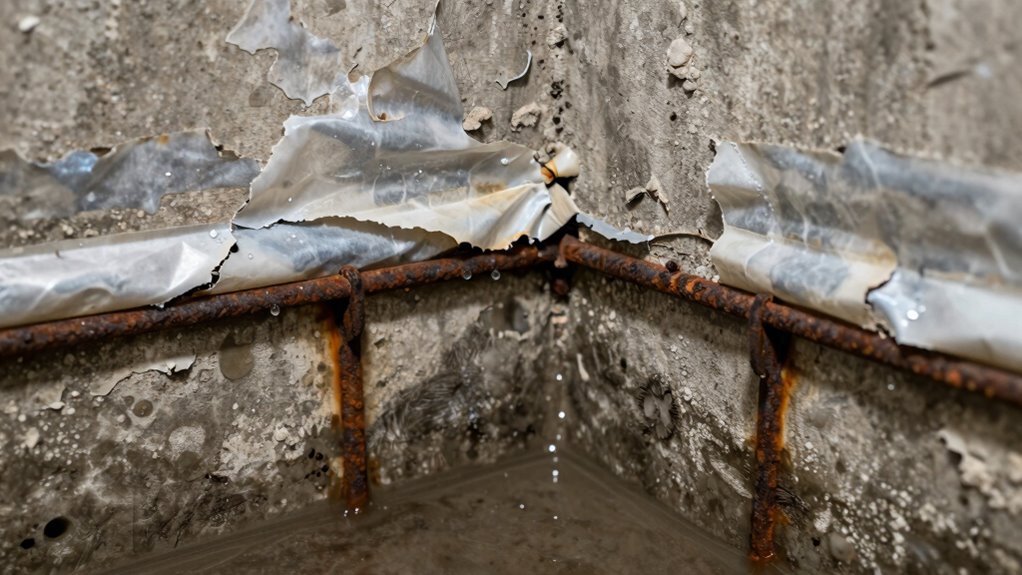
Have you ever wondered why storage waterproofing fails unexpectedly? It often comes down to simple mistakes that could have been avoided with better planning and understanding. One of the most common errors involves poor material selection. Choosing the wrong waterproofing materials can compromise the entire system, leading to leaks and damage over time. You need to select materials specifically designed for storage environments, considering factors like chemical exposure, temperature fluctuations, and moisture levels. Using generic or inferior materials might seem cost-effective at first, but it’s a false economy. High-quality, compatible waterproofing membranes or coatings are essential to create a reliable barrier. When you overlook this step, you risk cracks, tears, or delamination that allow water ingress, which can ruin stored items and damage the structure underneath. Proper material compatibility is crucial for ensuring the longevity of your waterproofing system.
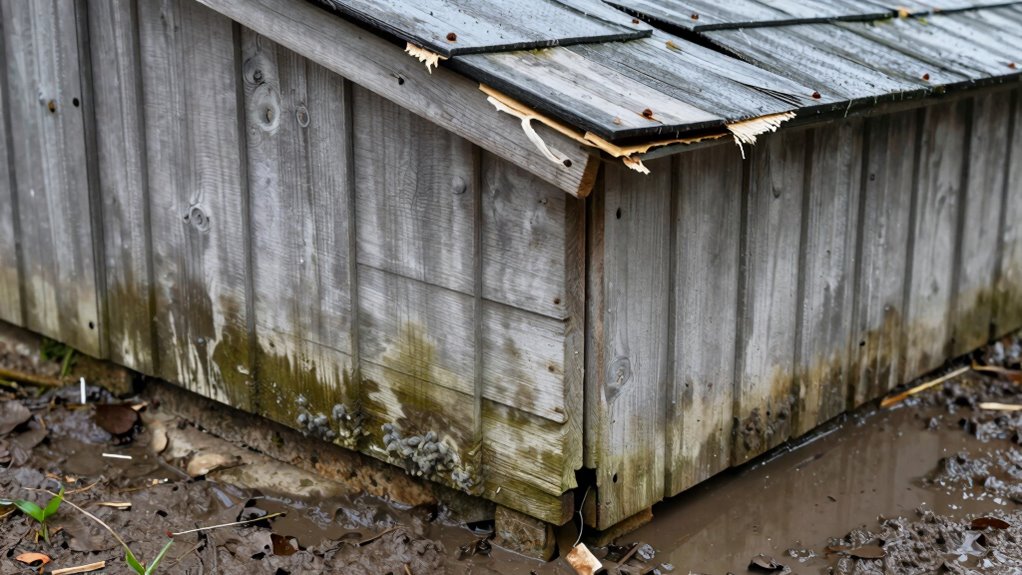
Another critical mistake many make is neglecting proper drainage solutions. Effective drainage isn’t just about installing gutters or pipes; it’s about designing a system that directs water away from your storage area efficiently. If water accumulates around the foundation or seeps into vulnerable spots, it exerts pressure on the waterproofing layer, eventually causing failure. You should guarantee your drainage solutions include well-placed drains, slope grading, and water barriers that prevent water from pooling or penetrating the structure. Failing to plan for proper drainage often results in hydrostatic pressure building up against the waterproofing layer, which can cause it to crack or peel away. It’s essential to incorporate drainage solutions during the initial design phase rather than trying to fix problems later. Additionally, understanding the foundation conditions can help you better tailor your waterproofing and drainage strategies to suit specific site challenges. Ensuring proper maintenance of these systems is also key to prevent blockages or deterioration over time.
Many storage waterproofing failures happen because these two aspects are overlooked or improperly executed. You might think that applying a waterproof coating is enough, but without selecting the right materials and ensuring there’s adequate drainage, your efforts will likely fall short. It’s tempting to cut corners or rush through installation, but these mistakes are often costly in the long run. Remember, waterproofing isn’t just about sealing surfaces; it’s about creating an all-encompassing system that manages water effectively. When you prioritize proper material selection and drainage solutions, you notably reduce the risk of unexpected failures. It’s an investment in the longevity of your storage facility, protecting your valuable assets and saving you from frequent repairs and costly damage. Don’t underestimate the importance of these foundational steps—they’re the key to a durable, reliable waterproofing system that stands the test of time. Proper material selection and effective drainage are essential components of sustainable waterproofing practices that can help protect your storage investments for years to come.
As an affiliate, we earn on qualifying purchases.
Frequently Asked Questions
What Are the Signs of Waterproofing Failure in Storage Areas?
You’ll notice signs of waterproofing failure in storage areas when you see moisture intrusion, like damp walls or ceilings, and mold growth. Water stains and peeling paint are clear indicators. Over time, structural damage may occur, such as warped floors or cracked walls. If you observe any of these signs, it’s essential to address the issue promptly before moisture intrusion worsens, leading to significant damage and compromised storage conditions.
How Often Should Waterproofing Systems Be Inspected or Maintained?
Your waterproofing system is your storage area’s shield—neglect it, and disaster strikes! You should inspect and maintain it at least twice a year, especially before and after rainy seasons. Follow regular maintenance schedules and use effective inspection techniques like visual checks, moisture meters, and sealant assessments. Staying vigilant guarantees your waterproofing stays strong, preventing costly leaks and damage. Don’t wait for problems—stay proactive and keep your storage secure!
Are There Specific Materials Better Suited for Storage Waterproofing?
You should choose materials with proven effectiveness for storage waterproofing, such as high-quality bituminous membranes or advanced liquid-applied coatings. These materials offer superior waterproofing durability, resisting wear and tear over time. Your focus should be on selecting options that are specifically designed for storage environments, ensuring long-lasting protection. Proper material selection helps prevent failures, reduces maintenance costs, and maintains the integrity of your storage space.
What Are the Costs Associated With Repairing Waterproofing Failures?
You’ll find that repairing waterproofing failures can be costly, often ranging from a few hundred to several thousand dollars depending on the extent. Conduct a thorough cost analysis to understand expenses like labor, materials, and potential disruptions. Check if warranty coverage applies, as it can substantially reduce your out-of-pocket costs. Timely repairs prevent larger issues and save money, so prioritize addressing failures promptly.
Can Waterproofing Failures Be Prevented With Proper Design?
Like building a fortress, your waterproofing success depends on smart design. You can prevent failures by avoiding design flaws and choosing the right materials. Properly planning drainage, slopes, and sealants guarantees water stays out. When you pay attention to detail and select high-quality materials suited for your environment, you create a resilient barrier. This proactive approach shields your storage from water damage, much like a well-constructed shield guards a knight.
drainage system for storage buildings
As an affiliate, we earn on qualifying purchases.
As an affiliate, we earn on qualifying purchases.
Conclusion
Remember, prevention is better than cure. By avoiding common waterproofing mistakes, you protect your storage and guarantee its longevity. Don’t cut corners or overlook maintenance—these pitfalls can lead to costly repairs down the line. As the saying goes, “A stitch in time saves nine.” Stay vigilant, follow proper waterproofing practices, and safeguard your storage effectively. It’s better to invest upfront than deal with avoidable damage later.
foundation waterproofing coating
As an affiliate, we earn on qualifying purchases.
As an affiliate, we earn on qualifying purchases.
waterproofing drainage solutions
As an affiliate, we earn on qualifying purchases.
As an affiliate, we earn on qualifying purchases.
Halloween Picks
halloween
As an affiliate, we earn on qualifying purchases.