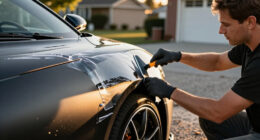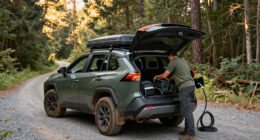
The most common failure in traction board techniques is neglecting proper placement and safety protocols. Avoid placing boards on uneven or loose surfaces without evaluating risks, and never skip securing them tightly. Improper technique can cause slipping, vehicle damage, or accidents. Remember, using the right equipment on suitable terrain and double-checking your setup makes all the difference. To prevent these pitfalls and guarantee safe, effective recovery, keep exploring these essential points.

Get business pricing on garage and car supplies
- Business-only prices and quantity discounts
- Tax-exempt purchasing
- Multiple users, one account, clear invoices
Key Takeaways
- Avoid placing traction boards without assessing terrain and weight distribution.
- Do not neglect securing traction boards properly to prevent slipping or damage.
- Refrain from using boards on uneven or loose surfaces without evaluating risks.
- Never skip inspecting and maintaining traction equipment regularly.
- Avoid improper technique by not following correct placement and securing procedures.
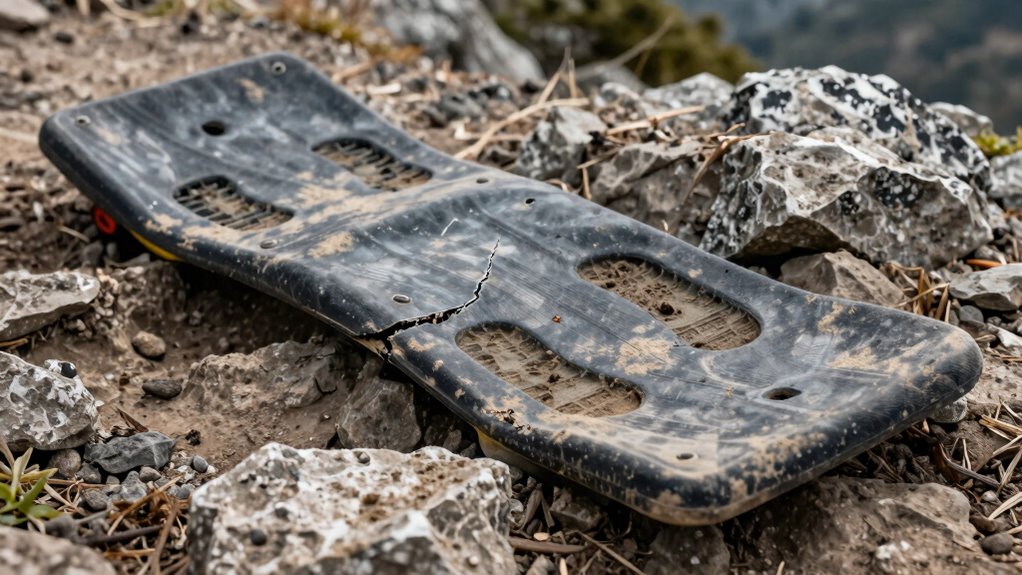
Have you ever wondered why traction board techniques sometimes fail to deliver the desired results? The truth is, many issues stem from overlooked details, particularly around traction safety and equipment maintenance. When these elements aren’t prioritized, even the best-laid plans can fall apart, leaving you stuck or risking injury. The key to effective traction lies in understanding how to properly use your traction boards and guaranteeing they’re in peak condition before every use.
One common mistake is neglecting traction safety protocols. You might assume that simply placing traction boards behind a vehicle’s wheels will do the trick, but if you don’t consider the terrain, weight distribution, or proper placement, your efforts can be futile. Traction safety isn’t just about avoiding accidents; it’s about making sure the boards are used correctly to maximize grip and stability. Failing to secure the boards properly, or using them on uneven or loose surfaces without evaluating the risks, can lead to slipping or even further vehicle damage. Always double-check your setup, guarantee the boards are firmly anchored, and confirm that they’re suitable for the specific terrain you’re working with. Additionally, understanding the importance of equipment maintenance can significantly improve your success rate. Regularly inspecting and caring for your traction tools ensures they remain effective and safe to use. Incorporating preventative maintenance routines can help avoid unexpected failures during critical moments. Moreover, paying attention to equipment durability helps prolong the lifespan of your traction tools and ensures consistent performance. Recognizing the importance of proper storage can also prevent unnecessary wear and tear, ensuring your equipment stays reliable when needed. Remember, the correct technique is essential for safe and effective use, so take the time to learn and practice proper procedures.
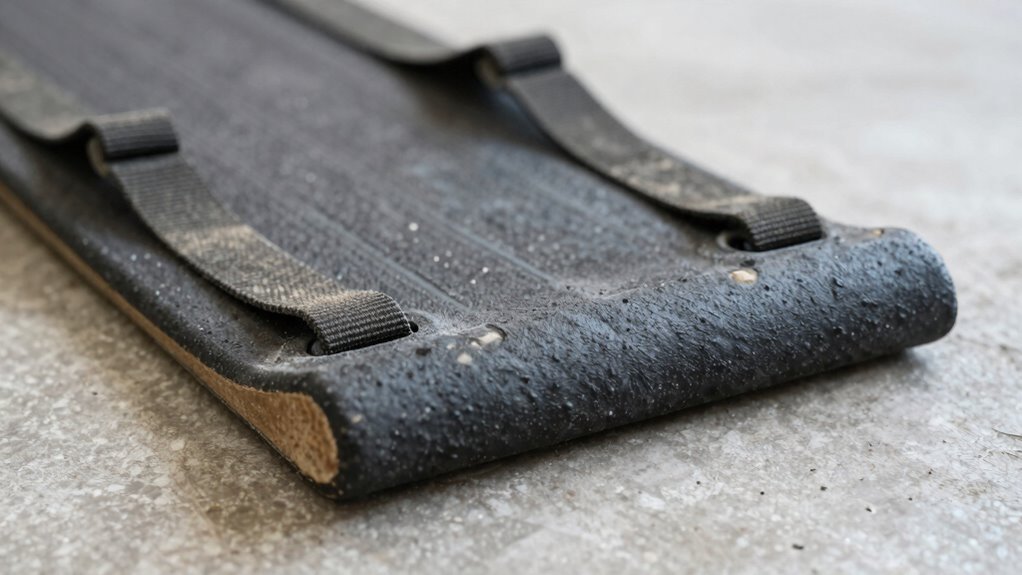
traction boards for off-road vehicles
As an affiliate, we earn on qualifying purchases.
As an affiliate, we earn on qualifying purchases.
Frequently Asked Questions
How Do I Identify if I’M Using the Wrong Traction Board Technique?
If you’re unsure whether you’re using the right traction board technique, watch for signs like inconsistent results or discomfort. Don’t fall for traction board myths that suggest one-size-fits-all methods; instead, focus on proper equipment maintenance to guarantee effectiveness. If your technique isn’t producing expected outcomes, it’s a sign to reassess your approach, stay updated on best practices, and avoid outdated or incorrect methods that can hinder progress.
What Are the Signs of Improper Traction Board Application?
Did you know that 65% of traction board accidents stem from improper application? Signs of this include inconsistent grip, slipping, or discomfort during use. If your traction board isn’t firmly secured or shows signs of wear, it jeopardizes traction board safety. Regular equipment maintenance and correct technique guarantee effective traction and prevent accidents. Always double-check your setup to keep yourself safe and optimize the benefits of traction therapy.
Can Incorrect Traction Board Use Cause Injuries?
Yes, incorrect traction board use can cause injuries. Poor traction safety practices, like improper positioning or over-application, increase the risk of skin injuries, nerve damage, or muscle strain. Regular equipment maintenance is essential to guarantee the traction device functions properly and reduces hazards. Always follow proper techniques, check equipment regularly, and verify correct application to prevent injuries and maintain safety during traction therapy.
How Often Should I Practice Proper Traction Board Techniques?
You should practice proper traction board techniques regularly, ideally weekly, to keep your skills sharp and guarantee safety. Consistent equipment maintenance and skill development are crucial in maintaining confidence and proficiency. Think of it as nurturing a essential connection; the more you dedicate time to practice, the more natural and effective your technique becomes. This ongoing commitment helps prevent injuries and keeps you prepared for any situation.
Are There Specific Traction Boards Recommended for Beginners?
For beginners, choosing the right traction boards involves simple equipment selection and beginner tips. Look for lightweight, durable boards with textured surfaces for grip. Start with smaller, manageable sizes to build confidence and avoid overwhelm. Always prioritize safety features like non-slip materials. As you gain experience, you can explore more advanced equipment. Remember, proper technique and gradual progression are key to mastering traction board exercises confidently and safely.
As an affiliate, we earn on qualifying purchases.
Conclusion
Remember, Rome wasn’t built in a day, and mastering traction board techniques takes patience and practice. Avoid common pitfalls, stay attentive, and refine your approach with each attempt. By learning from mistakes and applying proper methods, you’ll become more confident and effective. Keep in mind that success often comes to those who persist—so don’t rush the process. With steady effort, you’ll turn setbacks into stepping stones toward better traction skills.
automotive traction board securing straps
As an affiliate, we earn on qualifying purchases.
As an affiliate, we earn on qualifying purchases.
As an affiliate, we earn on qualifying purchases.
Halloween Picks
halloween
As an affiliate, we earn on qualifying purchases.