Before every recovery, take five minutes to inspect your gear. Check straps, shackles, and hooks for wear, fraying, or damage, replacing any questionable items. Make certain mechanical parts like winches and pulleys move smoothly without rust or deformities. Verify your personal safety gear and communication devices are in good condition and functional. Regularly review safety standards and confirm everyone knows their roles. Keeping these steps in mind will help guarantee a safe, reliable recovery—discover more tips to keep your team protected.

Get business pricing on garage and car supplies
- Business-only prices and quantity discounts
- Tax-exempt purchasing
- Multiple users, one account, clear invoices
Key Takeaways
- Quickly inspect straps, shackles, and hooks for damage or wear, replacing any questionable items immediately.
- Verify that mechanical components like winches and pulleys operate smoothly and are free of rust or deformities.
- Ensure personal safety gear and communication devices are intact, functional, and properly maintained.
- Review safety standards and conduct brief safety audits to confirm equipment compliance and readiness.
- Confirm team awareness of recovery procedures and emergency protocols to ensure coordinated and safe operations.
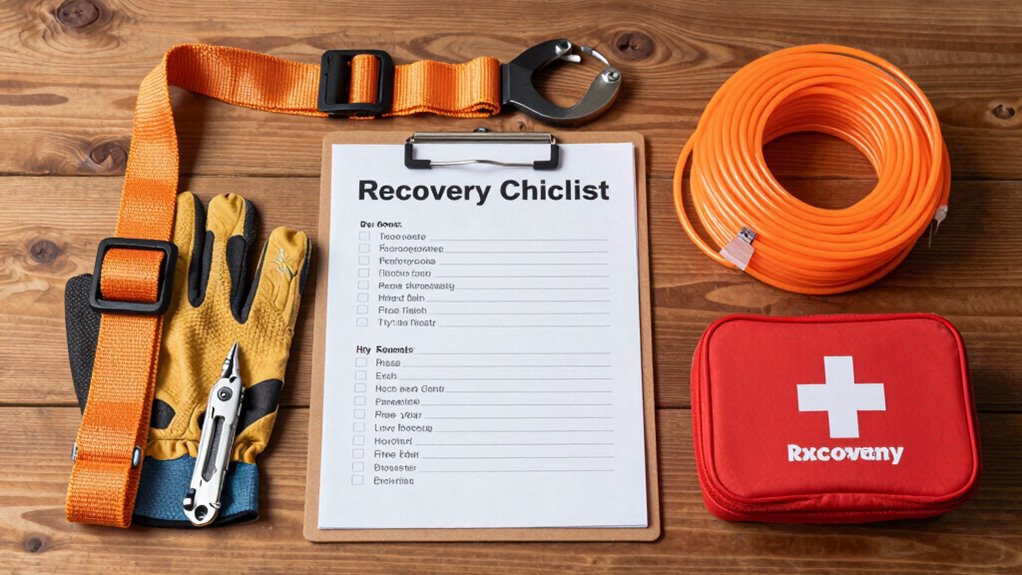
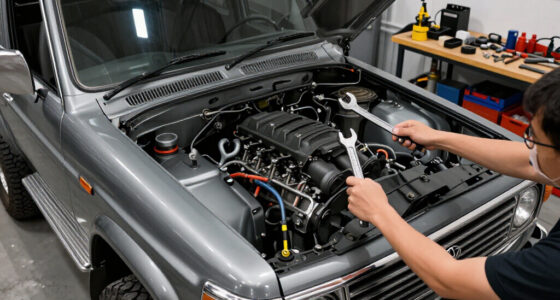
When it comes to recovery operations, ensuring your gear is safe and ready is essential for both your safety and the success of the mission. A quick, 5-minute safety check can make all the difference, especially when time is tight. Start by inspecting your recovery straps, shackles, and hooks for any signs of wear, fraying, or damage. Damaged equipment compromises your entire operation, so if anything looks questionable, replace it immediately. Regular equipment maintenance isn’t just about longevity; it’s a critical part of emergency preparedness. Knowing your gear is in top shape gives you confidence when you need it most.
Regular gear checks ensure safety, reliability, and confidence in recovery operations.
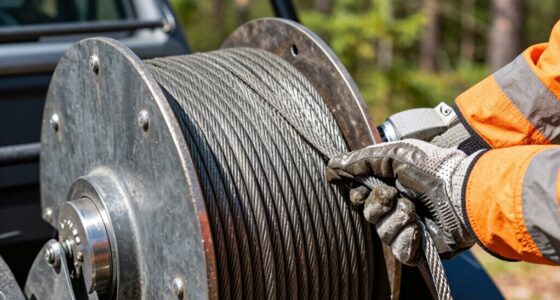
Next, examine your winch, snatch blocks, and pulleys. Ensure all moving parts operate smoothly and that there’s no rust or corrosion that could hinder performance. Tighten loose bolts or nuts, because even a minor looseness can lead to failure under load. Check your vehicle’s recovery points—making sure they’re securely attached and rated for the weight you’re handling. If you notice any cracks or deformities, it’s better to replace these components before deploying them in a recovery. These routine checks are quick but vital for safe operation. Maintaining equipment reliability is essential to prevent unexpected failures during critical moments. Additionally, understanding the importance of proper equipment inspection helps prevent costly failures and ensures safety standards are met. Regularly reviewing industry safety standards can also guide you in maintaining compliance and safety best practices. Incorporating routine safety audits into your maintenance routine can further enhance reliability and safety.
Don’t forget to review your personal safety gear, like gloves, eye protection, and helmets. Confirm they’re free of tears, cracks, or other damage that could compromise safety during the recovery process. Properly maintained safety equipment ensures you’re protected against unexpected hazards. Also, verify your communication devices—radios or cell phones—are charged and functioning, so you can stay in contact with your team at all times. Clear communication is crucial in coordinated recovery efforts, reducing risks and improving efficiency. Being familiar with the proper use of safety equipment can significantly reduce injury risks during recovery scenarios.
Finally, take a moment to assess your recovery plan. Confirm that everyone involved knows their roles and understands the safety protocols. This quick mental check reinforces your emergency preparedness, making sure that everyone is on the same page if an issue arises. A well-organized plan, combined with a swift gear check, minimizes delays and keeps everyone safe. Remember, even in a rush, safety isn’t optional. Your focus on these small but critical steps ensures your recovery gear is always ready to perform when you need it most, and that your entire operation remains secure and effective.
recovery straps and shackles set
As an affiliate, we earn on qualifying purchases.
As an affiliate, we earn on qualifying purchases.
Frequently Asked Questions
How Often Should Recovery Gear Be Inspected for Damage?
You should inspect your recovery gear before each use to guarantee safety. Regular inspection frequency helps catch damage indicators like frayed straps, corrosion, or worn-out stitching early. It’s also wise to perform a thorough check after heavy use or exposure to harsh conditions. By consistently monitoring your gear, you minimize risks, ensure reliable performance, and extend its lifespan, keeping you safe during recovery operations.
What Are the Best Storage Practices for Recovery Equipment?
Your recovery gear deserves the royal treatment! Store it in heavy-duty storage containers that protect against moisture and UV damage, guaranteeing it stays pristine. Use clear labeling methods—big, bold labels for quick identification—to prevent mix-ups during emergencies. Keep everything in a cool, dry place, away from direct sunlight and chemicals. Regularly check your storage area and containers to ensure your gear remains ready for action whenever you need it.
How Do I Choose the Right Recovery Gear for My Vehicle?
To choose the right recovery gear, consider your vehicle’s size, weight, and typical terrain. Make sure the gear has excellent gear maintenance features and is made from durable materials for equipment durability. Look for reliable brands with positive reviews. Match the gear to your specific needs, whether for off-road adventures or urban emergencies. Properly selected, maintained, gear ensures safety and performance when you need it most.
What Safety Precautions Should I Take During Recovery Operations?
During recovery operations, you should always follow emergency procedures and communication protocols to stay safe. Make sure you clearly communicate with everyone involved and establish signals or radios for quick coordination. Keep a safe distance from the recovery gear, inspect equipment for damage, and wear appropriate safety gear like gloves and eye protection. Regularly assess the situation, and be prepared to stop or adjust your approach if risks emerge.
Are There Specific Certifications to Look for in Recovery Gear?
If your recovery gear fails during an urgent rescue, lives are at risk—so always look for gear with proper certification standards, like those from recognized organizations such as the NFPA or ANSI. For example, a well-known brand with a solid reputation guarantees quality and safety. Prioritizing certified gear gives you confidence that it meets rigorous safety tests, helping you perform rescues effectively and protect everyone involved.
As an affiliate, we earn on qualifying purchases.
Conclusion
Now that you’ve gone through this quick checklist, are you confident your recovery gear is ready when it matters most? Remember, safety isn’t just a one-time task—regular checks keep you prepared and secure. Don’t wait until an emergency strikes to realize something’s wrong. Stay vigilant, stay safe, and keep your recovery gear in top shape. After all, isn’t your peace of mind worth those five minutes? Stay safe out there!
personal safety gear for recovery
As an affiliate, we earn on qualifying purchases.
As an affiliate, we earn on qualifying purchases.
As an affiliate, we earn on qualifying purchases.
Fall Picks
fall essentials
As an affiliate, we earn on qualifying purchases.