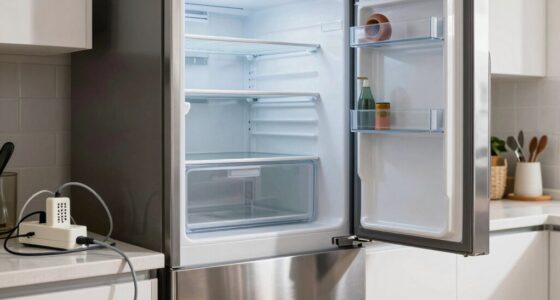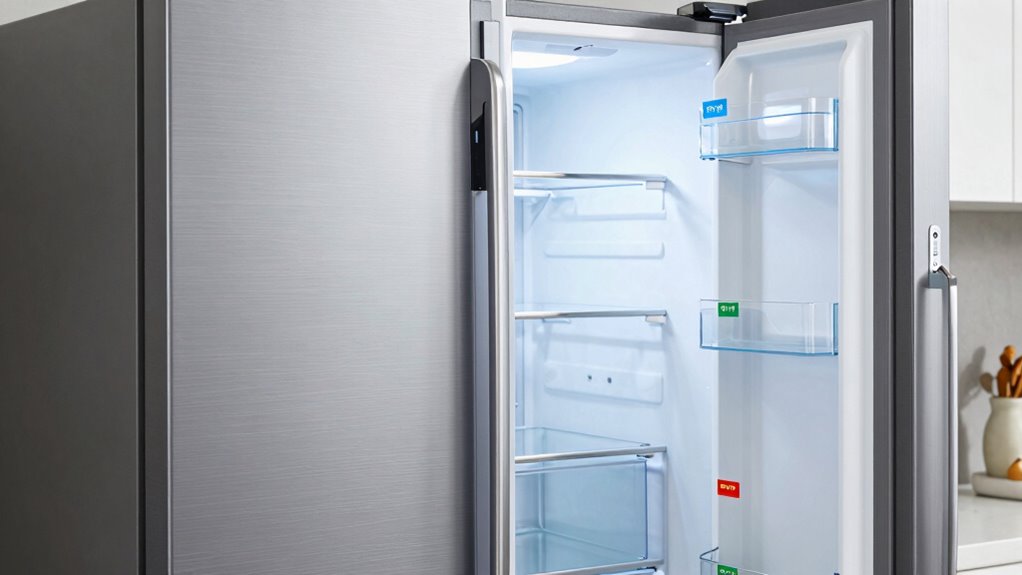

The hidden detail that improves your fridge’s power planning is strategic electrical placement combined with proper ventilation. By locating the outlet directly behind the appliance and concealing wiring within cabinetry, you prevent energy loss and reduce safety hazards. Proper airflow around the fridge keeps it cool and functioning efficiently, extending its lifespan. Focusing on these concealed yet vital aspects helps your fridge operate smoothly and quietly—exploring these details further can make a real difference for your setup.
Listen free for 30 days with Audible
Thousands of audiobooks and originals — cancel anytime.
As an affiliate, we earn on qualifying purchases.
Key Takeaways
- Installing a dedicated outlet directly behind the fridge ensures stable power supply and prevents hazards from extension cords.
- Concealing wiring within cabinetry maintains safety, protects connections, and simplifies future maintenance access.
- Proper ventilation and airflow management prevent overheating, boosting efficiency and prolonging appliance lifespan.
- Strategic placement within custom cabinetry balances aesthetic concealment with accessibility for electrical and ventilation needs.
- Selecting energy-efficient appliances and insulating around the unit reduces power consumption and improves overall performance.
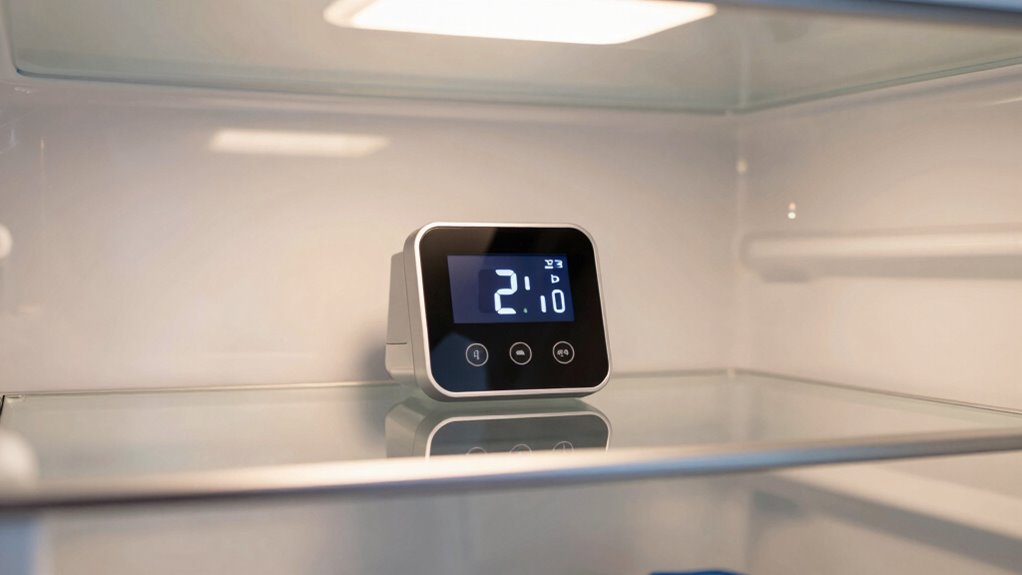
Have you ever wondered how to seamlessly integrate a hidden fridge into your kitchen design while guaranteeing it has reliable power? The secret lies in understanding the critical details of power planning, especially when it comes to appliance placement. When you aim to keep your kitchen sleek and uncluttered, hiding the fridge is a smart move, but it requires careful consideration of how power sources are integrated to maintain both functionality and aesthetics. Proper appliance placement isn’t just about positioning; it’s about strategic planning to optimize energy efficiency and ensure consistent operation.
Strategic placement and proper wiring ensure your hidden fridge is functional, efficient, and seamlessly integrated into your sleek kitchen design.
The first step is to think about where the fridge will be located within your kitchen layout. You want it to be accessible yet unobtrusive, which often means placing it behind cabinetry or within a custom-built unit. Once you decide on its position, you need to plan for the electrical outlet. Avoid the temptation to use extension cords or plug adapters—they can be a fire hazard and compromise energy efficiency. Instead, install a dedicated outlet directly behind the appliance or within the cabinetry. This ensures a clean look and reduces energy loss that can occur with long or poorly connected cords.
Next, pay attention to the wiring pathway. Concealing wires within cabinetry not only keeps your kitchen tidy but also protects the electrical connections from damage and prevents accidental unplugging. When planning the wiring, consider future access for maintenance, making sure that the outlet and wiring are reachable without too much hassle. This foresight prevents costly modifications later on. Keep in mind that appliance placement impacts energy efficiency; a well-placed fridge with proper insulation and ventilation will consume less power because it doesn’t have to work as hard to stay cool, reducing your overall energy bills. Additionally, selecting appliances with energy-efficient features can further enhance your power planning and reduce long-term operating costs. Incorporating proper ventilation is equally important to prevent heat buildup and ensure optimal performance. To maximize the longevity and efficiency of your appliance, it’s also beneficial to understand the importance of ventilation, which plays a role in heat dissipation and preventing overheating. Furthermore, understanding how airflow management affects heat buildup can help you prevent potential overheating issues and maintain consistent appliance performance.
Furthermore, when integrating a hidden fridge, think about how the surrounding cabinetry affects heat buildup. Proper ventilation around the appliance allows for steady operation and prevents overheating. Even in a concealed setup, ensure there’s enough space for airflow, and consider adding venting panels if necessary. This improves appliance longevity and energy efficiency, making your investment more sustainable over time. In fact, consulting with a professional during the design phase can help you identify the best ventilation solutions tailored to your specific kitchen layout. Remember, the key to successful power planning isn’t just about hiding the fridge but aligning its placement with electrical and ventilation needs. Doing so guarantees your concealed appliance performs reliably while maintaining the sleek design you desire.

CRFIST Refrigerator-Specific Surge Protector – a Dedicated Single-Outlet Protector Designed for Household appliances, Featuring 1800W/15A Overload Protection and Voltage Suppression Capabilities.
- LED Indicator Colors: Shows real-time protection status
- Protection Indicators: Green, red, yellow lights for status
- Easy Installation: Plug-and-play setup for convenience
As an affiliate, we earn on qualifying purchases.
As an affiliate, we earn on qualifying purchases.
Frequently Asked Questions
How Does Ambient Room Temperature Affect Fridge Power Planning?
Ambient room temperature impacts your fridge’s power planning because temperature fluctuations cause it to work harder when it’s warmer. If the room isn’t well-insulated, your fridge compensates by running more often, increasing energy use. To optimize power, keep the room temperature stable and guarantee good insulation. This way, your fridge runs efficiently without overexerting itself, ultimately saving energy and reducing costs.
What Is the Optimal Placement for Energy Efficiency?
For ideal energy efficiency, you should place your fridge away from heat sources like ovens or direct sunlight, following effective placement strategies. Keep it in a cool, well-ventilated spot to reduce energy consumption. Use energy-saving tips such as ensuring proper clearance for airflow and avoiding overcrowding. These steps help your fridge operate efficiently, save power, and lower utility bills. Proper placement truly makes a noticeable difference in energy saving.
Do Different Fridge Models Have Varying Power Needs?
Yes, different fridge models have varying power needs. Energy Star ratings help you identify more energy-efficient models, which consume less power overall. Additionally, compressor efficiency considerably impacts energy consumption; newer models often feature advanced compressors that use less energy while maintaining performance. By comparing these factors, you can choose a fridge that suits your energy goals, saving you money and reducing your environmental impact.
How Often Should Fridge Power Consumption Be Monitored?
You should monitor your fridge’s power consumption every 3 to 6 months. Regular checks help you identify energy-saving tips and guarantee your appliance runs efficiently. Incorporate maintenance schedules, like cleaning coils and sealing doors, to reduce energy use. By staying on top of these factors, you optimize performance, save on electricity bills, and extend your fridge’s lifespan. Consistent monitoring keeps your appliance energy-efficient and cost-effective.
Can Power Planning Extend the Lifespan of My Refrigerator?
Yes, power planning can extend your refrigerator’s lifespan. Did you know that inefficient energy use can cause motor wear over time? By following energy-saving tips and sticking to regular maintenance routines, you reduce strain on components, helping your fridge last longer. Properly managing power consumption prevents overheating and mechanical issues, ultimately preserving your appliance’s condition and saving you money on repairs and replacements.

Supplying Demand WWHR Refrigerator Ice Maker Round Connection Wiring Harness Replacement
- Compatible with round 4-pin connection: Fits models with round 4-pin connector
- Compact size for easy installation: Measures approximately 12 x 1.5 x 1 inches
- Safety reminder: Disconnect power before servicing
As an affiliate, we earn on qualifying purchases.
As an affiliate, we earn on qualifying purchases.
Conclusion
By paying attention to that small but vital detail in fridge power planning, you’re setting yourself up for smoother, more efficient energy use. It’s the kind of insight that can turn a simple task into a well-oiled machine. Don’t overlook the tiny cracks that let the big issues in — sometimes, the devil is in the details. When you master these subtleties, you’ll keep your fridge running like a dream and save yourself a headache down the road.
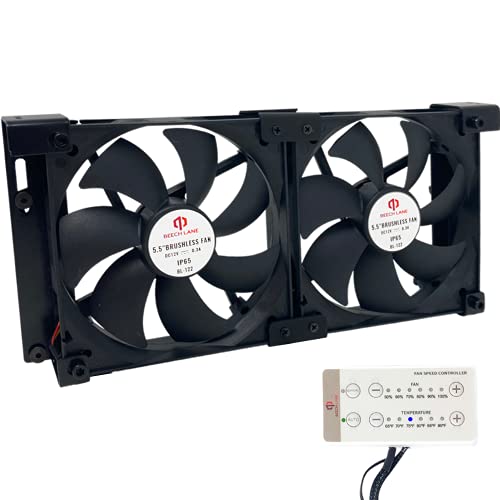
Beech Lane 12V RV Fridge Ventilation Cooling Fan 5.5" (140mm), Custom Mounts For American RV Side Vents, Adjustable Temperature Settings, High-Tech Remote With Manual/Auto Modes, Waterproof
- Waterproof 12V Dual Vent Fans: Enhances cooling behind RV fridge
- Large 5.5-inch (140mm) Fans: Maximizes airflow and cooling efficiency
- Custom Mounting Brackets: Fits American RV vents easily
As an affiliate, we earn on qualifying purchases.
As an affiliate, we earn on qualifying purchases.

Upstreman 7.1 Cu.Ft Refrigerator with Bottom Freezer, Apartment Fridge
- Large Capacity Refrigerator: 7.1 Cu.Ft total storage space
- Separate Freezer Compartment: 1.65 Cu.Ft freezer for frozen goods
- Eye-Level Refrigerator Storage: Top 5.45 Cu.Ft fridge for easy access
As an affiliate, we earn on qualifying purchases.
As an affiliate, we earn on qualifying purchases.
Fall Picks
fall essentials
As an affiliate, we earn on qualifying purchases.