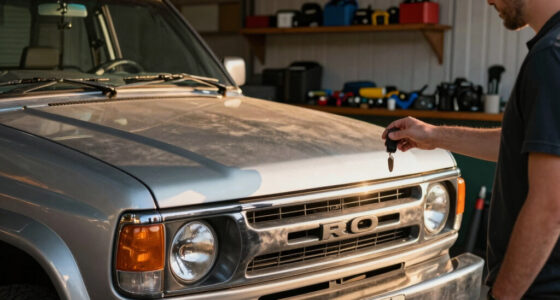
To go from beginner to pro with winch safety, develop a routine of thorough inspections, checking cables, hooks, bolts, and electrical connections before each use. Always have an emergency plan, stay clear of recoil zones, and use proper safety gear. Practice clear communication and stay vigilant during operation. Building these habits boosts your confidence and helps prevent accidents. Keep honing your skills, and you’ll soon master the essentials for safe, reliable winching.

Get business pricing on garage and car supplies
- Business-only prices and quantity discounts
- Tax-exempt purchasing
- Multiple users, one account, clear invoices
Key Takeaways
- Start with thorough equipment inspections and understanding winch components before operation.
- Develop and practice emergency procedures, including safety zones and proper tool usage.
- Use clear communication signals and maintain focus during winch operations.
- Conduct routine preventative maintenance to identify issues early and ensure reliability.
- Prioritize safety gear, situational awareness, and continuous learning to build confidence and expertise.
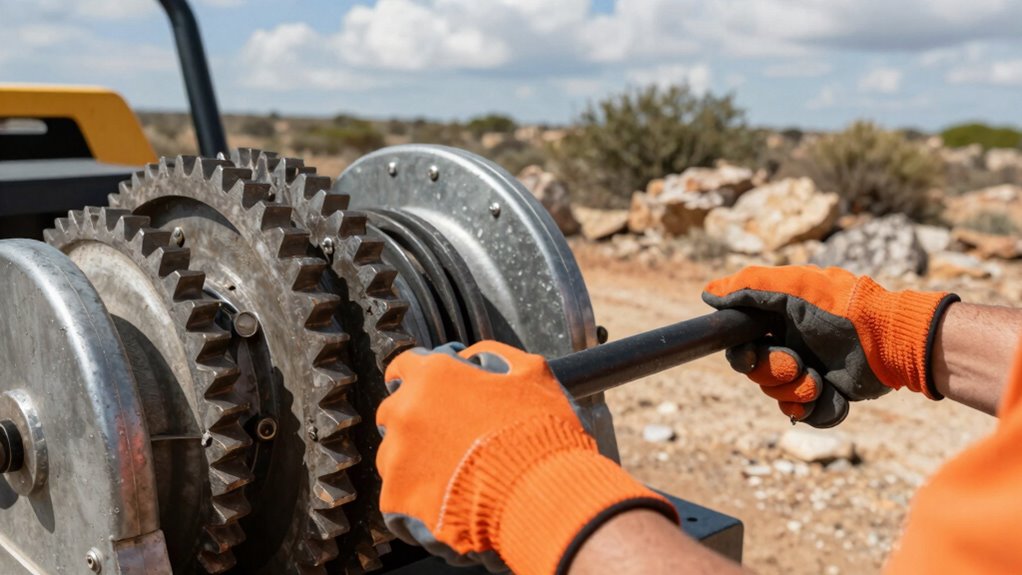
Whether you’re just starting out or looking to sharpen your skills, understanding winch safety is essential for every off-road enthusiast. The first step in guaranteeing safety is mastering equipment inspection. Before you even think about using your winch, take the time to thoroughly inspect it. Check the cable or synthetic rope for frays, kinks, or corrosion, and replace any damaged parts immediately. Ensure the hook has a safety latch and is properly secured. Confirm that all mounting bolts are tight and that the winch itself is free of rust or cracks. Don’t forget to examine the electrical connections—make sure they’re clean, tight, and free of corrosion. Proper inspection reduces the risk of equipment failure, which can lead to accidents or injuries during recovery. It’s a simple yet critical step that saves you from potential hazards later on. Regularly equipment inspection is vital to catch issues early and ensure your gear remains reliable. Additionally, understanding winch components can help you identify potential problems more effectively. Recognizing the importance of preventative maintenance can further extend the lifespan of your equipment and enhance safety. Employing a comprehensive safety checklist before each use can help ensure no critical step is overlooked.
Once your equipment checks out, familiarize yourself with emergency procedures. Knowing what to do in a crisis can make all the difference. Always have a plan in mind before you start recovery. For instance, if the cable snaps, stay clear of the line’s path—an unexpected recoil can be dangerous. Use gloves when handling the cable to protect your hands from cuts or burns, and never stand directly in line with the winch or cable during operation. Keep a set of emergency tools nearby, like a winch hook cover, a snatch block, and a fire extinguisher. Practice communication signals if you’re working with others, so everyone knows what’s happening. Additionally, be ready to shut down the winch immediately if something seems off—listening to your gut is part of safe operation.
Incorporating proper equipment inspection and knowing emergency procedures into your routine isn’t just about safety; it’s about confidence. When you take the time to inspect your gear thoroughly, you minimize risks and ensure your recovery efforts go smoothly. Understanding emergency procedures means you’re prepared for any situation, helping you stay calm and in control when things don’t go as planned. As you progress from a beginner to a more experienced off-road enthusiast, these fundamentals become second nature. Remember, safety isn’t a one-time check—it’s an ongoing part of your off-road adventures. By prioritizing equipment inspection and staying prepared with emergency procedures, you’re building a solid foundation that makes every recovery safer, more efficient, and ultimately more enjoyable.
As an affiliate, we earn on qualifying purchases.
Frequently Asked Questions
What Are Common Signs of Winch Equipment Wear and Tear?
You should regularly perform a winch inspection to spot signs of wear and tear. Look for frayed or damaged cables, rust, or corrosion on metal parts. Check for leaks in hydraulic systems and listen for unusual noises during operation. Proper equipment maintenance helps prevent failures. If you notice any of these signs, address them promptly to guarantee safe, reliable winch performance and avoid costly breakdowns or accidents.
How Do Weather Conditions Affect Winch Safety?
Weather hazards markedly impact winch safety, so you need to stay alert. Rain, snow, and ice can make surfaces slippery, increasing the risk of accidents. Extreme heat can cause equipment to overheat or weaken, while cold weather affects lubrication and battery performance. Climate impact also influences cable tension and material integrity. Always inspect your winch thoroughly before use in adverse weather, and adjust your safety protocols to match conditions.
Are There Specific Training Certifications for Winch Operation?
Are you wondering if there are specific certifications for winch operation? Yes, there are operator certifications that guarantee safe and proper use, often requiring you to demonstrate knowledge of winch calibration and safety protocols. These certifications improve your skills and credibility, making your work safer. Have you considered pursuing such training? It’s a smart step toward becoming a proficient and responsible winch operator.
What Are the Legal Considerations When Using a Winch Commercially?
When using a winch commercially, you need to guarantee legal compliance by following industry regulations and safety standards. You should also carry liability insurance to protect against potential damages or accidents. It’s essential to train your team properly and keep detailed records of safety procedures. Staying informed about local laws and safety requirements helps you avoid legal issues and makes certain the safe, responsible operation of your winch.
How Can I Prevent Accidental Injuries During Winch Maintenance?
To prevent injuries during winch maintenance, always wear proper personal protective equipment like gloves, safety glasses, and steel-toed boots. Before starting, review emergency procedures and make certain all safety measures are in place. Keep loose clothing away, disconnect power sources, and check for proper lockout/tagout. Regularly inspect tools and equipment, and never bypass safety features. Staying vigilant and prepared minimizes risks and keeps you safe while maintaining the winch.
As an affiliate, we earn on qualifying purchases.
Conclusion
By following these safety steps, you’re not just preventing accidents—you’re proving that with the right knowledge, anyone can master winch safety. Some say that caution is overkill, but history shows that even seasoned pros can make costly mistakes without proper precautions. So, take these practices seriously. The truth is, the more you understand and respect your equipment, the safer your adventures become. Keep learning, stay alert, and turn your winching into a confident, controlled skill.
As an affiliate, we earn on qualifying purchases.
As an affiliate, we earn on qualifying purchases.
Columbus Day / Indigenous Peoples' Day Picks
long weekend sales
As an affiliate, we earn on qualifying purchases.