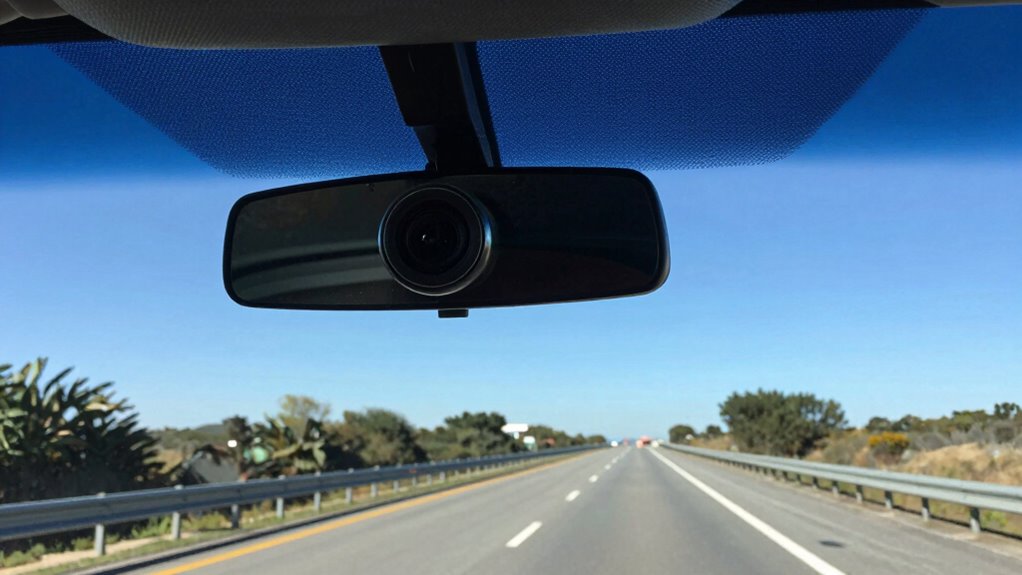

CPL filters can boost your dash cam footage during the day by reducing glare, reflections, and lens flare, helping you see important details clearly. However, they hurt nighttime visibility by cutting down light reaching the sensor, making it harder to see in low-light conditions. Environmental factors like the sun’s position or wet roads can also affect their effectiveness. If you want a smarter choice for different situations, keep exploring to find out more.

Get garage and car supplies delivered free — and shop member deals
- Fast, free delivery on millions of items
- Access to Prime Big Deal Days deals on October 6–7
- Prime Video, Amazon Music and more included
Key Takeaways
- CPL filters reduce glare and reflections in daylight, improving visibility and detail in dash cam footage.
- They can darken footage and impair night or low-light recording, reducing overall visibility.
- Effectiveness depends on sun angle and environmental conditions, requiring frequent adjustments for optimal performance.
- They may introduce image distortions or uneven brightness, affecting scene clarity.
- Best used during daytime for glare reduction; less effective and potentially harmful in low-light or adverse weather.
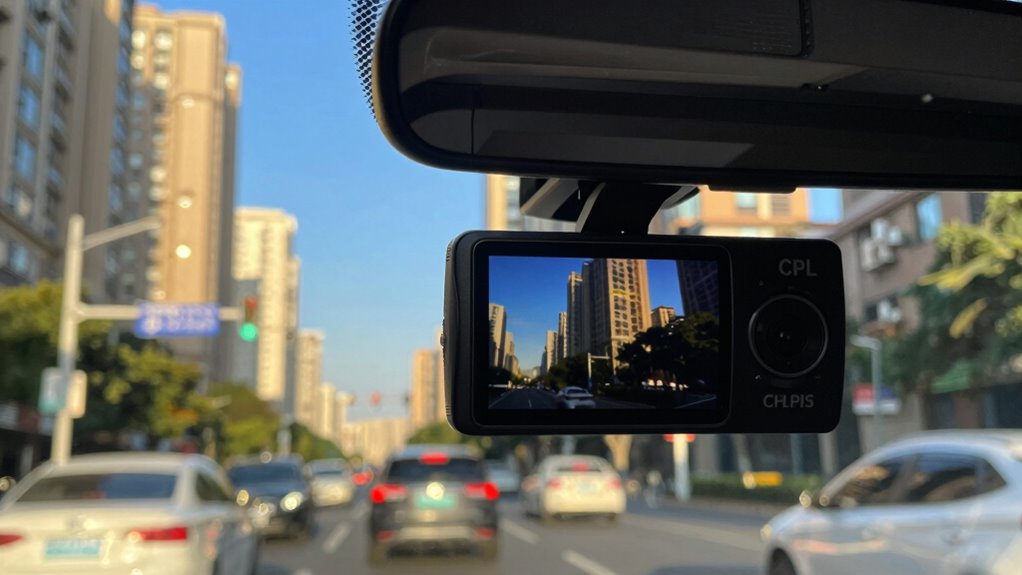
Are you wondering how to improve the clarity and quality of your dash cam footage? If so, you might contemplate using a CPL filter. Circular polarizing filters are designed to reduce reflections and glare, which can be especially helpful in certain driving conditions. However, they’re not always the perfect solution, and understanding when they help and when they hurt is essential. One key factor to consider is lens flare. When you drive toward the sun or bright lights, a CPL filter can cut down on unwanted glare, preventing lens flare from washing out your footage. This makes your recordings clearer and more detailed, especially in daylight, by reducing the harsh reflections that can obscure important details like license plates or road signs.
A CPL filter reduces glare and lens flare, improving daytime dash cam footage clarity.
But the benefits of a CPL filter aren’t always so straightforward. During night driving or in low-light conditions, these filters can sometimes hinder your night visibility. Since CPL filters work by blocking polarized light, they can also reduce the overall amount of light reaching your camera’s sensor. This reduction can be problematic when visibility is already limited, as it might make your footage darker and harder to interpret. If you often drive at night or in poor weather, you might find that a CPL filter diminishes your ability to see clearly in those conditions, which defeats the purpose of having a dash cam in the first place. Additionally, the effect of polarized light on image quality can vary depending on the environment and angle, sometimes leading to unpredictable results. It’s also worth noting that different lighting conditions can significantly influence how effective a CPL filter is, making it crucial to assess your typical driving environment. In some cases, the filter’s orientation can need frequent adjustment to maintain optimal performance, which might be inconvenient during quick drives.
Furthermore, the angle of the sun can impact how well a CPL filter performs, as its ability to reduce glare depends on the position of the light source relative to your camera. A changing environment can also alter the filter’s effectiveness, making it less predictable in dynamic conditions. Another aspect to consider is how a CPL filter affects your field of view. In some cases, the filter can introduce a slight darkening or unevenness in the image, especially when viewed from certain angles. This effect can distort your perception of the scene, making it harder to accurately interpret what’s happening on the road. Additionally, in conditions with bright streetlights or reflections from wet roads, a CPL filter can sometimes exaggerate these effects, creating strange dark patches or uneven brightness in your footage.
Ultimately, whether a CPL filter is worth using depends on your typical driving environment. If you mostly drive during the day and want to minimize glare and lens flare from sunlight, a CPL filter can be a valuable addition. But if you frequently drive at night or in adverse weather, it might do more harm than good. It’s all about balancing the benefits of reducing reflections against the potential downsides of diminished night visibility and image distortion. Knowing when to use a CPL filter—and when to leave it off—will help you capture clearer, more useful dash cam footage in every situation.
As an affiliate, we earn on qualifying purchases.
Frequently Asked Questions
Can CPL Filters Cause Any Damage to Dash Cam Lenses?
CPL filters generally won’t damage your dash cam lens if you use the correct size and guarantee filter compatibility. However, poorly manufactured or ill-fitting filters might scratch or damage the lens over time, affecting lens durability. Always choose high-quality filters designed for your dash cam, and handle them carefully during installation. Proper maintenance and compatible filters help protect your lens, preventing potential damage caused by improper use or low-quality products.
How Do CPL Filters Affect Night-Time Driving Footage?
CPL filters can subtly influence night-time footage, often enhancing glare reduction and improving image clarity during daytime. However, at night, they might diminish light entering your dash cam, leading to darker images that hide details. While they help reduce reflections from wet roads or shiny surfaces, you should be cautious because they could also obscure low-light details, making your footage less clear and potentially less useful in critical moments.
Are CPL Filters Compatible With All Dash Cam Models?
CPL filters aren’t compatible with all dash cam models. You need to check your camera’s lens specifications first. Some dash cams have lens coatings that might not work well with filters, causing glare or reduced image quality. Also, consider filter durability—you want a sturdy CPL filter that withstands vibrations and weather conditions. Always verify compatibility and quality before purchasing to guarantee your dash cam footage stays clear and effective.
Do CPL Filters Require Special Cleaning or Maintenance?
Yes, CPL filters do require special cleaning and maintenance to keep them in top shape. You should avoid touching the lens directly to prevent lens scratches, and use a soft, microfiber cloth for cleaning. Regularly check the filter for dust or smudges, as dirt can reduce filter durability and affect footage quality. Be gentle and avoid harsh chemicals to maintain clarity and guarantee your dash cam performs well.
Can CPL Filters Be Used Alongside Other Lens Accessories?
Yes, you can use CPL filters alongside other lens accessories, but it’s important to take into account compatibility. About 30% of photographers combine filters for better results. A CPL filter enhances color and reduces glare, making it perfect for dash cams. When stacking with other accessories like UV filters or lens hoods, make sure they don’t interfere with each other’s function or cause vignetting, so your footage stays clear and sharp.
As an affiliate, we earn on qualifying purchases.
Conclusion
While CPL filters can be a helpful tool for reducing glare and enhancing clarity, they’re not always the perfect fit for every dash cam situation. Sometimes, their effects might cloud your view more than clarify, making it harder to capture those vital moments. Think of them as a gentle nudge—use them wisely, and they’ll serve you well; ignore the signs, and they might just cast a shadow on your footage.
daytime glare reduction dash cam
As an affiliate, we earn on qualifying purchases.
As an affiliate, we earn on qualifying purchases.
As an affiliate, we earn on qualifying purchases.
Halloween Picks
halloween
As an affiliate, we earn on qualifying purchases.