The biggest myth about penetrating oils is that spraying and waiting is enough. In reality, proper application and patience are essential. You need to target the rusted area directly, apply generous amounts of oil, and let it sit for at least 10 to 15 minutes. Rushing or just spraying without giving it time won’t loosen stubborn fasteners. If you want better results, understanding the right technique makes all the difference—there’s more to learn if you keep going.
Key Takeaways
- Proper application requires direct contact and sufficient dwell time; spraying without patience reduces effectiveness.
- Rushing or spraying indiscriminately prevents the oil from penetrating deeply into rusted or tight areas.
- Applying too little oil or not reapplying diminishes the chance of loosening stubborn fasteners.
- Choosing the right penetrating oil for the material and corrosion level enhances results over generic sprays.
- Successful lubrication depends on targeted, deliberate application rather than just spraying and hoping for the best.

Have you ever wondered if penetrating oils really live up to their reputation? Many people assume that just spraying and hoping for the best will loosen rusty bolts or stuck parts quickly. But that “spray and pray” approach often falls short because it ignores the significance of proper application techniques and understanding how lubrication effectiveness works. To get the most out of penetrating oil, you need to know how it interacts with rust, grime, and metal surfaces, and how to apply it effectively.
First, let’s talk about lubrication effectiveness. Penetrating oils are designed to seep into tiny crevices and break down rust and corrosion. However, their success depends on more than just spraying and waiting. If you don’t give the oil enough time to penetrate or fail to apply it properly, you won’t see the results you’re hoping for. The oil needs to reach the affected areas and linger long enough to loosen the bonds causing the obstruction. Rushing this process or applying too little oil can prevent it from doing its job effectively.
Application techniques are vital in maximizing penetrating oil’s potential. Instead of a casual spray and immediate attempt to turn a stubborn bolt, you should focus on a targeted approach. Start by cleaning the area to remove dirt or debris that can block the oil’s entry. Then, apply a generous amount of penetrating oil directly onto the joint or rusted surface. For best results, let it sit for at least 10 to 15 minutes—longer if possible—to give the oil time to work its magic. Reapplying or adding more oil during this period can also improve penetration. Additionally, understanding the lubrication process can help you better predict how and when the oil will be effective.
Another key factor is ensuring you’re using the right type of penetrating oil for your task. Some formulations are better suited for certain materials or levels of corrosion. Always read the label and follow manufacturer instructions for maximum lubrication effectiveness. When you understand how to properly apply it and give the oil enough time to work, you’ll find that loosening stubborn fasteners becomes much easier.
Ultimately, the myth of “spray and pray” persists because many users overlook the importance of proper application techniques. Applying penetrating oil correctly isn’t about just spraying and hoping; it’s about patience, precision, and understanding how lubrication effectiveness is achieved. If you want to save time and avoid frustration, focus on targeted, deliberate application and give the oil the opportunity to do its job. That’s the real secret to making penetrating oils work efficiently and reliably.

WD-40 Specialist Penetrant with Smart Straw, Penetrant for Metal, Rubber and Plastic Threads, Locks and Nuts, Industrial Strength Fast-Acting Formula, 11 Oz.
Everything you need in a professional-grade Penetrating Lubricant: Low-odor, Strong, Fast, and Targeted. WD-40 Specialist Penetrant with a…
As an affiliate, we earn on qualifying purchases.
As an affiliate, we earn on qualifying purchases.
Frequently Asked Questions
Can Penetrating Oil Damage Plastics or Painted Surfaces?
Penetrating oil can damage plastics or painted surfaces if you’re not careful. It may affect plastic safety by causing cracking or discoloration, and it can compromise paint protection, leading to peeling or staining. To avoid damage, always test the oil on a small, hidden area first. Use it sparingly and wipe away excess to prevent any adverse effects on plastics or painted finishes.
How Long Should I Wait for Penetrating Oil to Work Effectively?
You should wait for the recommended application duration of 10 to 15 minutes for penetrating oil to work effectively. This allows the oil to seep into the threads or rust, loosening the grip. If you’re dealing with stubborn parts, give it up to 30 minutes, but avoid rushing. Patience guarantees the oil penetrates thoroughly, making your task easier without damaging surfaces.
Is There a Best Temperature for Applying Penetrating Oil?
Ever wondered what the perfect application temperature is? You should apply penetrating oil in ideal conditions, ideally between 50°F and 80°F. Cooler temperatures can thicken the oil, making it less effective, while heat can cause it to evaporate too quickly. To maximize effectiveness, avoid extreme cold or heat, ensuring the oil penetrates deeply. When you choose the right temperature, your efforts will be much more successful.
Can Penetrating Oil Be Used on All Types of Rusted Bolts?
You can’t use penetrating oil on all rusted bolts without considering bolt compatibility. Some bolts, especially those made of softer metals, may be damaged by certain oils or rust removal techniques. Always check the bolt’s material before applying penetrating oil, and choose the right product for the job. Proper rust removal techniques, like gentle cleaning and patience, will help loosen rusted bolts effectively without causing harm.
What Are the Signs That Penetrating Oil Has Failed?
You’ll know penetrating oil has failed if rust indicators remain visible, and the bolt doesn’t loosen after proper application timing. If it takes multiple applications without results, or the rust looks unchanged, the oil isn’t penetrating effectively. Additionally, if you feel increased resistance or hear squeaking, it’s a sign to reassess your approach. Trust these signs to determine when you need a stronger method or a different penetrating product.

Kroil Aerokroil Penetrant – Rust Penetrating Lubricant – Corrosion Inhibitor Oil for Chains, Hinges & Stuck Metal Parts – Home & Industrial Use – Aerosol – 10 oz – 1 Pack (KS102)
Trusted by Professionals: Kroil Original Penetrant is a rust penetrating aerosol spray that tackles stuck bolts and frozen…
As an affiliate, we earn on qualifying purchases.
As an affiliate, we earn on qualifying purchases.
Conclusion
Don’t fall for the myth that spraying and praying will loosen rusted bolts. Studies show that only about 30% of penetrating oils reach the target effectively, making your guesswork a gamble. Instead, take a few extra moments to apply the oil properly and give it time to work. Your patience can save you from broken tools and costly repairs. Remember, smarter application beats blind spraying every time—your tools and wallet will thank you.
Kroil Aerokroil Penetrant – Rust Penetrating Lubricant – Corrosion Inhibitor Oil for Chains, Hinges & Stuck Metal Parts – Home & Industrial Use – Aerosol – 10 oz – 1 Pack (KS102)
Trusted by Professionals: Kroil Original Penetrant is a rust penetrating aerosol spray that tackles stuck bolts and frozen…
As an affiliate, we earn on qualifying purchases.
As an affiliate, we earn on qualifying purchases.
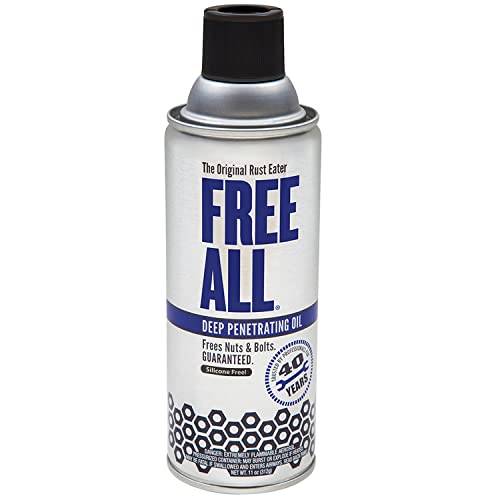
Free All Rust Eater Deep Penetrating Oil, 11 oz Aerosol – Loosens Rusted Bolts, Nuts, Pipe Connections & Locks – Industrial-Grade Rust Remover, Silicone-Free Lubricant, Safe on Paint, Plastic Surfaces
Advanced Rust Penetration: Our cutting-edge lubricant formula seeks out and dissolves rust at the molecular level, eating away…
As an affiliate, we earn on qualifying purchases.
As an affiliate, we earn on qualifying purchases.