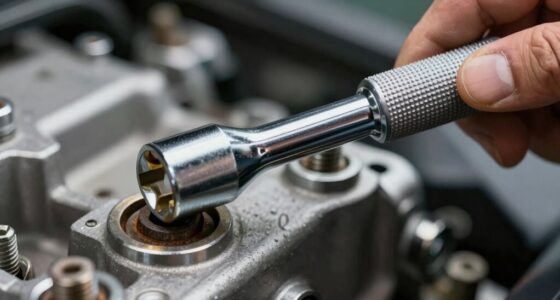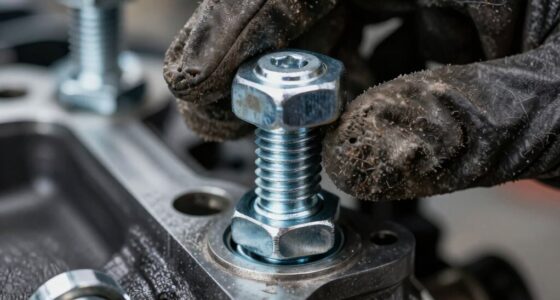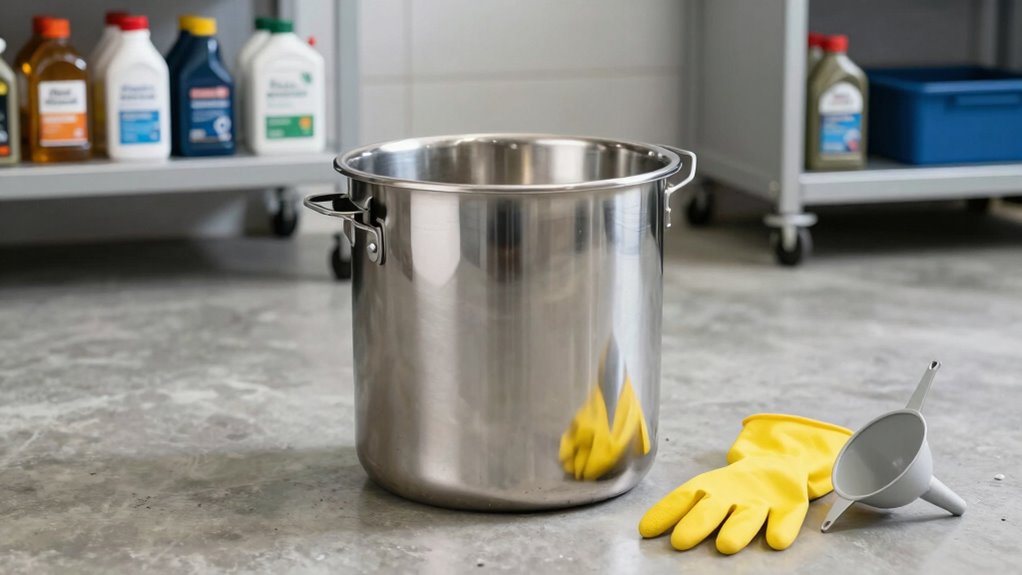

To dispose of used oil and brake fluid responsibly, store them in sealed, clearly labeled containers and avoid pouring them down drains or trash. Take these fluids to certified recycling centers, auto parts stores, or local hazardous waste collection points. Proper disposal prevents environmental contamination and legal issues while conserving resources. If you want to learn more about safe and eco-friendly disposal methods, there’s plenty of helpful information to explore.
Key Takeaways
- Use sealed, labeled containers to store used oil and brake fluid safely before disposal.
- Take fluids directly to certified recycling centers or authorized collection sites.
- Never pour fluids down drains, onto soil, or in regular trash to prevent environmental contamination.
- Check with local waste authorities or auto stores for proper disposal and recycling options.
- Proper disposal protects wildlife, water sources, and avoids legal penalties associated with improper handling.
Have you ever wondered what to do with used fluids from your vehicle or machinery? It’s a common concern, especially since improper disposal can lead to serious environmental hazards. When oil, brake fluid, or other automotive liquids are thrown away carelessly, they can seep into the soil or water, harming wildlife and contaminating drinking sources. Thankfully, there are responsible ways to handle these substances that protect the environment and keep your community safe. Understanding your recycling options can make the process straightforward and non-gross, turning what seems like waste into a responsible action.
The first step is recognizing that used fluids are not trash. Many people mistakenly toss them in the trash or pour them down drains, but this practice causes environmental hazards that can be costly to remediate. Instead, look for local recycling options—many communities have designated collection centers for hazardous waste. These facilities are equipped to handle used oil and brake fluid safely, preventing leaks and contamination. Your local waste management authority or recycling center can provide information about drop-off times and any specific requirements. Some auto parts stores and service centers also accept used fluids for recycling, making it easy to dispose of them when you’re getting your vehicle serviced. These options ensure that your used fluids are processed properly, either by refining the oil for reuse or safely neutralizing hazardous components.
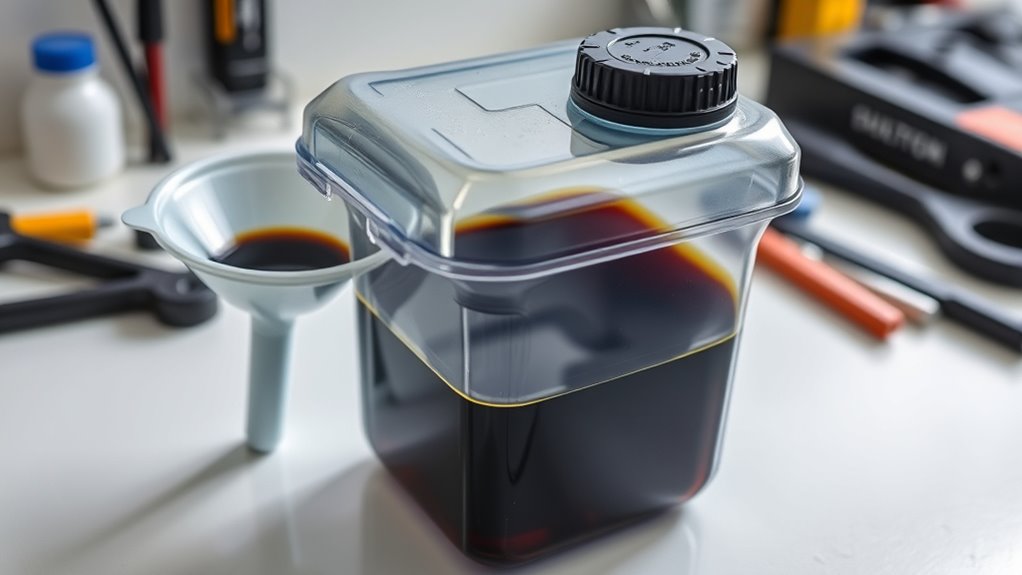
Handling used fluids responsibly isn’t complicated, and it’s a vital step in minimizing environmental hazards. When storing used oil or brake fluid temporarily, use sealed, non-leaking containers clearly labeled as hazardous waste. Never mix different fluids, as this can complicate recycling processes and increase risks. It’s also important to stay informed about proper disposal practices to ensure you are following the most current guidelines and regulations. When it’s time to dispose of these fluids, take them directly to a certified recycling facility or authorized collection point. This way, you prevent accidental spills or leaks that could contaminate soil or waterways. By choosing recycling options over dumping or neglect, you actively contribute to environmental protection and avoid potential legal penalties.
Making use of these recycling options isn’t just about compliance; it’s about being a responsible individual who cares about the planet. It’s a simple but impactful step that prevents environmental hazards associated with improper disposal of used fluids. Plus, it encourages a culture of sustainability and awareness, reminding others in your community that responsible disposal is essential. So, next time you drain your oil or change your brake fluid, remember to choose the environmentally safe route. Your actions can help preserve natural resources, protect wildlife, and keep your environment clean—all without the gross mess or risk of contamination.
Frequently Asked Questions
Can I Reuse Old Brake Fluid Safely?
You shouldn’t reuse old brake fluid, as it can become contaminated, reducing effectiveness and risking brake failure. Instead, consider brake fluid recycling, which makes disposal more eco-friendly. Before reuse, check for fluid contamination detection—look for discoloration or debris. If the fluid appears clean and transparent, it might be reusable, but it’s safer to replace it with fresh fluid to ensure your brakes work properly and safely.
What Are the Environmental Impacts of Improper Disposal?
You might think dumping used fluids is harmless, but it actually harms our environment. Improper disposal breaches environmental regulations and leads to pollution, contaminating soil and water. You’re risking more than fines—you’re contributing to pollution prevention failures that affect ecosystems and public health. By disposing of fluids properly, you protect the environment, comply with laws, and avoid the irony of doing more harm than good with careless disposal.
How Do I Identify Contaminated Used Oil?
You can identify contaminated used oil by performing oil testing, which checks for contamination indicators like water, dirt, or metal particles. Look for changes in color, viscosity, or smell—if it’s cloudy, gritty, or smells off, it’s likely contaminated. Regular testing helps you spot issues early, ensuring proper disposal and preventing environmental harm. Always follow local guidelines when handling and disposing of contaminated oil.
Are There Legal Restrictions on Fluid Disposal in My Area?
Think of disposal laws as the guardrails on a winding road—you don’t want to veer off course. Yes, there are legal restrictions on fluid disposal in your area. Local regulations vary, so you need to check with your city or state’s environmental agency. Following disposal laws guarantees you avoid fines and protect the environment. Always stay informed about your area’s rules before getting rid of used oil or brake fluid.
What Size Container Is Best for Storing Used Fluids?
You should choose a sturdy, leak-proof container like a plastic jug or a designated chemical container for storing used fluids. Opt for a size that fits comfortably in your storage space, typically 1 to 5 gallons, depending on how much fluid you generate. Always use containers with secure lids, label them clearly, and follow storage tips like keeping them in a cool, ventilated area away from children or pets.
Conclusion
Think of your used fluids as old chapters in a story. Disposing of them responsibly is like turning the page, giving new meaning to what once was. By choosing eco-friendly methods, you’re not just ending a chapter—you’re helping to write a brighter, cleaner future. So, handle your fluids with care, and let each responsible act be a seed for a healthier world. Your small step today becomes the symbol of hope for tomorrow.