Anti-seize compounds help prevent fasteners from seizing, corroding, or heat damage, especially in harsh or high-temperature environments. They work by reducing friction, making assembly easier and protecting components over time. However, if you overapply or use the wrong type, it can lead to inaccurate torque readings and loose fasteners. To guarantee you’re using anti-seize correctly and avoid common mistakes, explore the key factors involved.
Key Takeaways
- Anti-seize reduces thread friction, making assembly easier and torque more accurate in high-temperature and corrosive environments.
- Overapplication or thick layers can lead to under-tightening, inaccurate torque, and difficulty during disassembly.
- Properly applied anti-seize ensures consistent fastening, but excessive use skews torque calculations and risks fastener damage.
- Removing anti-seize thoroughly before re-tightening is essential to prevent torque errors and maintain fastener integrity.
- Selecting the right anti-seize formulation for the environment and applying it correctly prevents torque issues and prolongs fastener life.
Understanding the Role of Anti-Seize Compounds
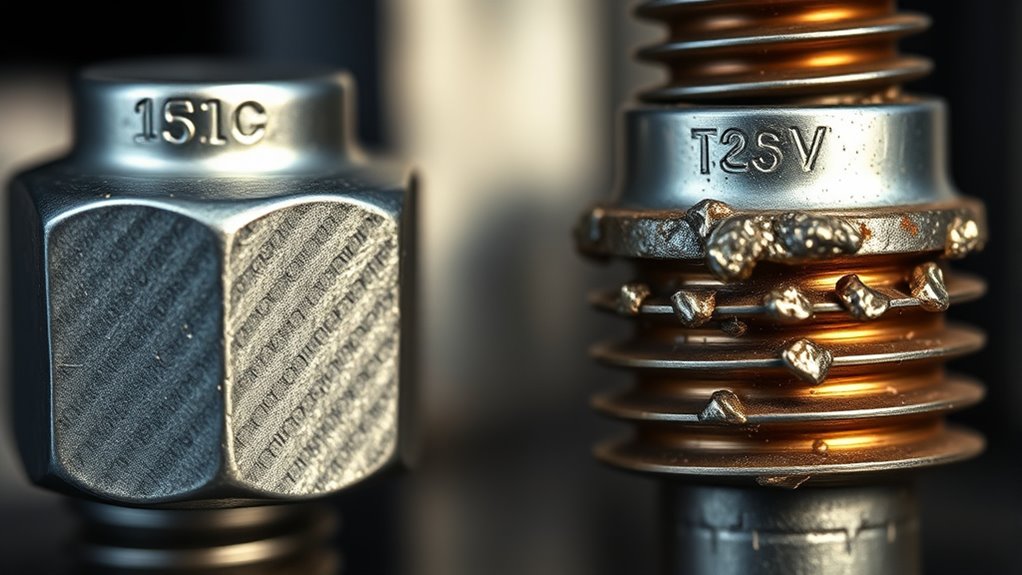
Anti-seize compounds are essential in preventing fastener seizing and corrosion, especially in high-temperature or harsh environments. They act as a barrier between metal surfaces, reducing friction and preventing metal-on-metal contact that causes galling and sticking. These compounds contain lubricating particles, like graphite or copper, suspended in a grease base, which leave a solid residue after evaporation. This residue minimizes corrosion and makes disassembly easier. Their primary function is to protect fasteners from rust, heat damage, and wear, ensuring reliable connections. By providing high-level lubrication, anti-seize compounds help maintain the integrity of machinery and equipment, especially where frequent removal or extreme conditions exist. Proper application of these compounds extends fastener life and improves overall performance. Effective anti-seize use can also prevent damage to sensitive components in complex assemblies. Additionally, understanding the role of contrast ratio in projectors can help optimize maintenance and selection of anti-seize compounds for different machinery.
Situations When Anti-Seize Is Highly Beneficial
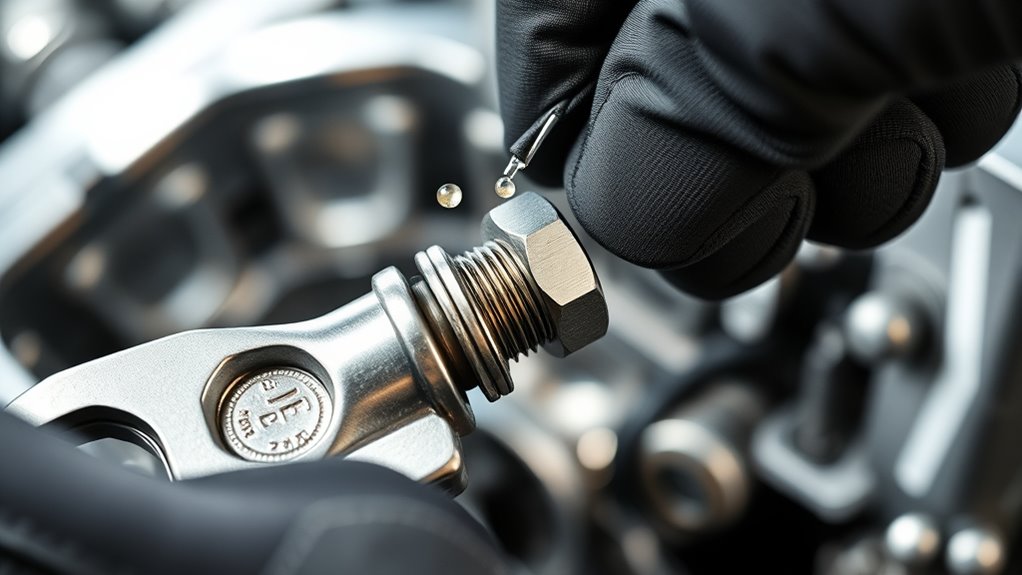
You’ll find anti-seize most beneficial in high-temperature environments, where metal parts can easily seize or corrode. It’s also essential for fasteners that require frequent removal, preventing damage and reducing effort. Additionally, in corrosion-prone conditions, anti-seize protects threads and surfaces from rust and degradation. Incorporating knowledge about corrosion prevention can further enhance the effectiveness of anti-seize applications, especially when combined with proper maintenance practices to extend the lifespan of the components. Understanding grocery savings strategies can help allocate resources for maintenance and replacement parts, ensuring long-term effectiveness.
High-Temperature Environments
High-temperature environments pose a significant challenge for fastener durability and reliable operation. When exposed to extreme heat, metals expand, corrode, and seize, making disassembly difficult and risking equipment failure. Anti-seize compounds are highly beneficial here because they create a durable barrier that prevents metal-on-metal contact, galling, and corrosion even at elevated temperatures. Specialized formulations with copper, nickel, or aluminum particles withstand temperatures up to 800°C or more, ensuring consistent lubrication and protection. Applying anti-seize reduces the torque needed for tightening, prevents fastener seizing, and makes future removal easier. In high-heat settings like engine components, heat exchangers, and industrial machinery, anti-seize guarantees fasteners maintain their integrity and function reliably over time.
Frequent Fastener Removal
When fasteners need to be removed frequently, applying anti-seize compounds becomes highly advantageous. It prevents galling, seizing, and corrosion, making disassembly easier and quicker. Regular removal causes thread damage and increases the risk of stripping, especially when fasteners are reused often. Anti-seize lubricants reduce friction, so you’ll need less torque to loosen or tighten fasteners, protecting threads from wear. This is especially valuable in maintenance routines, where fasteners might be repeatedly removed and reinstalled. Using anti-seize saves time and effort, preventing damage that could lead to costly repairs or replacements. It also ensures fasteners come apart cleanly without stripping or breaking. For components like engine bolts, machinery fasteners, or outdoor fixtures, anti-seize provides reliable, long-term protection during frequent removal cycles.
Corrosion-Prone Conditions
In environments where moisture, salt, or chemicals are prevalent, fasteners are highly vulnerable to corrosion, which can weaken joints and cause failure. Anti-seize compounds are essential here to prevent rust, galling, and seizing. When applied, they form a protective barrier, reducing metal-to-metal contact and corrosion buildup. Imagine these scenarios:
- Marine engine bolts exposed to saltwater spray
- Industrial equipment in chemical plants
- Outdoor fasteners on bridges or heavy machinery
In such conditions, anti-seize helps maintain the integrity of fasteners, ensuring easy removal and consistent torque. It minimizes the risk of corrosion-induced damage, extends component lifespan, and keeps your assemblies secure even in harsh environments. Proper use is key to safeguarding critical connections in corrosive settings. Additionally, understanding vehicle performance can help you choose the right treatments for your specific environment and needs. For example, selecting the appropriate corrosion prevention methods can significantly enhance durability and reduce maintenance costs. Being aware of environmental factors is crucial for effective application and long-term protection. Recognizing the importance of regular inspections can further prevent unexpected failures and prolong the lifespan of your fasteners. Incorporating the right anti-seize product, such as those recommended by top precious metal IRA providers, can also improve your overall maintenance strategy and ensure the longevity of your investments.
Common Mistakes and Overuse of Anti-Seize Products

Applying too much anti-seize product is a common mistake that can lead to problems rather than prevent them. Excessive application creates a thick layer that can skew torque calculations, causing fasteners to be under-tightened or over-tightened. This results in compromised clamping force, increased risk of loosening, or damage to threads. Overuse can also cause contaminants to spread to other parts, leading to corrosion or gumming up moving components. Many users assume more is better, but applying a small, even amount is sufficient for protection. Using the wrong type of anti-seize for your specific application can also cause issues. Always follow manufacturer instructions and select the appropriate product for your environment to ensure proper fastening and avoid costly mistakes. Proper piercing care and hygiene are also essential to prevent complications and ensure longevity of the jewelry.
How Anti-Seize Affects Torque and Fastening Force
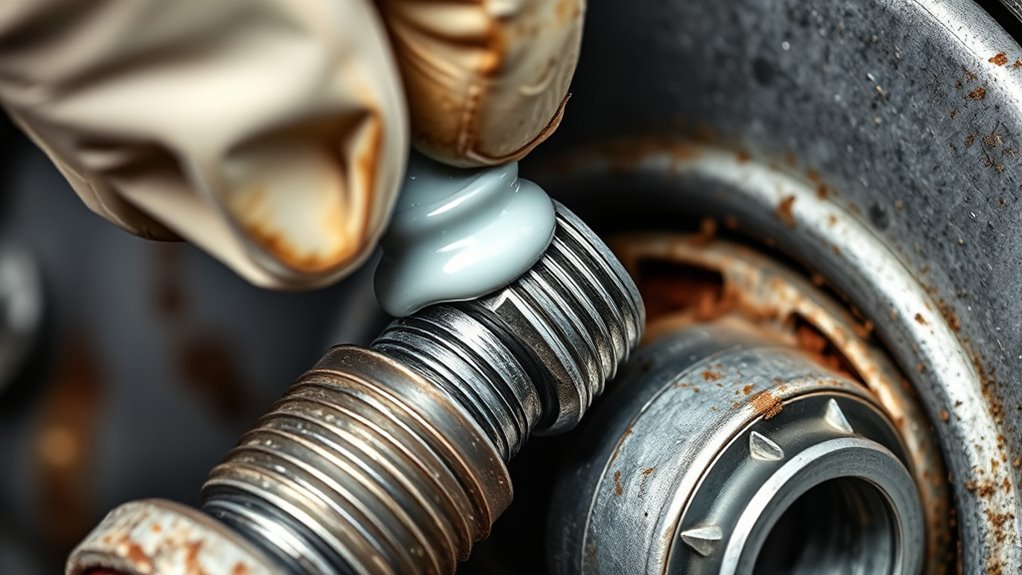
Have you ever noticed that using anti-seize can change the amount of torque required to tighten a fastener? When you apply anti-seize, it reduces friction between threads, meaning you need less torque to achieve the same clamping force. This can lead to more accurate, consistent fastening, especially in high-temperature or corrosive environments. Proper application techniques and understanding wiring basics are important for safe installation. Imagine:
- A bolt turning smoothly without sticking, saving effort during assembly.
- The torque wrench reading lower values, indicating less force needed.
- Fasteners coming apart easily during disassembly, thanks to reduced friction.
However, overusing anti-seize or applying it improperly can cause under-tightening, risking fastener failure. It’s essentialto understand how anti-seize impacts torque so you can adjust your torque settings accordingly for safe, reliable fastening.
Selecting the Right Type of Anti-Seize for Your Application

Choosing the right anti-seize depends on your specific application’s temperature, environment, and materials. For high temperatures, copper or nickel-based compounds are ideal because they withstand extreme heat without degrading, preventing seizing and corrosion. Aluminum-based anti-seize works well up to 800°C and is suitable for automotive, marine, and industrial uses, especially in corrosive environments. For wet or salt-prone conditions, marine-grade formulas offer enhanced protection against moisture. Consider the materials involved; avoid copper-based anti-seize with aluminum in wet environments to prevent galvanic corrosion. If you need a versatile option, blended formulas with copper, nickel, and graphite combine high-temperature resistance and corrosion protection. Match the anti-seize type with your environment, temperature range, and materials for suitable performance and ease of maintenance.
Best Practices for Applying and Removing Anti-Seize

To get the best results, make sure you apply anti-seize evenly to clean, dry surfaces, and use the right amount—too much can cause issues. When removing fasteners, follow proper procedures to avoid damaging threads or components. Be cautious not to overuse anti-seize, as excessive application can lead to loosening or contamination, compromising your assembly. Incorporating auditory processing techniques can also help diagnose and address underlying issues that may affect mechanical communication or operation. Additionally, understanding robot navigation and mapping can assist in optimizing maintenance procedures and ensuring proper application methods. Proper maintenance planning can further help prevent issues related to improper anti-seize application and ensure long-term reliability. Recognizing net worth growth strategies, like those employed by individuals such as Kate from Breaking Amish, can also inform maintenance budgeting and planning. Being aware of exposure to chemicals and their effects can help in selecting the appropriate anti-seize formulation for different materials and environments.
Proper Application Techniques
Applying anti-seize correctly starts with preparing the fastener and surrounding area to guarantee ideal adhesion and effectiveness. Clean the threads thoroughly, removing dirt, rust, and old lubrication to assure a smooth application. Use a brush or cloth for best results, and avoid applying anti-seize to contaminated surfaces. When applying, use a small amount—too much can lead to inaccurate torque readings. Spread it evenly over the threads, ensuring complete coverage without excess buildup. Remember, a thin, uniform layer is sufficient. For fasteners in high-temperature or corrosive environments, apply more generously. Avoid getting anti-seize on the bolt head or flange surface, which can interfere with sealing. Proper preparation and careful application help maximize anti-seize benefits and maintain accurate torque. Understanding the free floating nature of some fasteners can also influence the application process, especially in specialized environments.
Correct Removal Procedures
Proper removal of anti-seize is essential to maintain the integrity of fasteners and guarantee accurate torque during reassembly. To do this, use a wire brush or cloth to thoroughly clean the threads and fastener surfaces, removing any residual compound. For stubborn anti-seize, apply a solvent or degreaser and let it sit for a few minutes before scrubbing. Avoid using abrasive tools that could damage threads. Make sure all residue is completely wiped away, as leftover anti-seize can interfere with torque accuracy and cause uneven fastening. Once clean, inspect the fastener for damage or corrosion. Proper cleaning ensures smooth removal during disassembly and helps maintain the fastener’s strength, preventing issues like seizing or galling in future reassembly.
Preventing Overuse Risks
Using anti-seize correctly helps prevent overapplication, which can cause more harm than good. Overusing it may lead to inaccurate torque readings, excess buildup, and difficulty disassembling parts later. To avoid these issues, apply a thin, even layer directly to clean, dry threads. Wipe away any excess before assembly to prevent excess residue. When removing fasteners, check for leftover anti-seize and clean surfaces thoroughly. Remember these best practices:
- Visualize a tiny bead of anti-seize coating the threads, not a thick layer.
- Imagine wiping off surplus material with a cloth, leaving only a light film.
- Envision thoroughly cleaning threads to remove any residual compound before reassembly.
Sticking to proper application and removal techniques keeps your fasteners performing ideally without risking overuse.
Frequently Asked Questions
Can Anti-Seize Cause Damage to Sensitive Electronic Components?
Yes, anti-seize can damage sensitive electronic components. When you apply it near electronics, the conductive particles like copper or graphite can cause shorts or corrosion if they contact circuit boards or connections. Additionally, the lubricant’s oils and chemicals may seep into sensitive areas, leading to malfunction or corrosion over time. To avoid this, keep anti-seize away from electrical parts and use non-conductive, electronics-safe lubricants instead.
Is Anti-Seize Suitable for Use With Plastic Fasteners?
About 60% of plastic fasteners experience damage from improper lubrication, so it’s essential to choose carefully. Anti-seize isn’t usually suitable for plastic fasteners because its high-metal content can cause cracking or melting. Instead, opt for a lubricant specifically designed for plastics, like a silicone-based or a low-friction lubricant. This protects your plastic fasteners from damage while ensuring proper assembly and disassembly.
How Long Does Anti-Seize Typically Last Before Needing Reapplication?
Anti-seize typically lasts several years before needing reapplication, but it depends on your environment and usage. If exposed to moisture, high temperatures, or corrosive conditions, you might need to reapply sooner. Regular inspections are key—check fasteners for signs of corrosion or seizing. For critical applications, reapply every 2 to 3 years or as recommended by the manufacturer to guarantee continued protection and ideal performance.
Can Anti-Seize Be Used in Low-Temperature Environments?
Yes, you can use anti-seize in low-temperature environments, and it’s like giving your fasteners a gentle shield against the cold’s icy grip. The compounds remain effective by preventing seizing and corrosion even when it’s chilly. Just choose a formulation suited for low temperatures, like nickel-based or specialized greases, to guarantee smooth assembly and disassembly. Don’t forget, proper application keeps your connections secure and rust-free through winter’s chill.
Does Anti-Seize Affect the Electrical Conductivity of Fasteners?
Yes, anti-seize can affect the electrical conductivity of fasteners. When you apply anti-seize compounds containing metals like copper or nickel, they can create a conductive path between fastener and surface, enhancing electrical connectivity. However, if you use non-conductive variants, they won’t influence conductivity. Always select the right type based on your needs, especially for electrical connections, to guarantee proper performance and prevent corrosion or poor contact.
Conclusion
Knowing when and how to use anti-seize can save you time and prevent damage. Did you know that improper application can reduce fastening torque by up to 50%, risking loosening or failure? By understanding its role and following best practices, you ensure bolts stay secure without overdoing it. Keep learning and applying correctly—your tools and projects will thank you for it. Proper anti-seize use makes all the difference in safe, reliable fastening.