To avoid costly lifting accidents, don’t neglect equipment inspections or skip worker training, as both can hide critical hazards. Never rush lifts or ignore safety protocols—proper planning and following manufacturer instructions are essential. Be mindful of load limits, identify hazards beforehand, and communicate clearly. Overlooking these steps can lead to equipment failure, injuries, or delays. Stay vigilant and attentive to these common mistakes; you’ll discover how to keep your team safe and operations smooth.

Get business pricing on garage and car supplies
- Business-only prices and quantity discounts
- Tax-exempt purchasing
- Multiple users, one account, clear invoices
Key Takeaways
- Neglecting routine equipment inspections can lead to equipment failure and safety hazards during lifts.
- Insufficient worker training hampers proper load assessment and emergency response, increasing accident risk.
- Poor lift planning, including ignoring load weight and obstacles, causes instability and operational delays.
- Rushing lifts and bypassing safety protocols significantly raise the chance of equipment failure and injuries.
- Failing to follow safety procedures and manufacturer instructions compromises overall lifting safety and compliance.
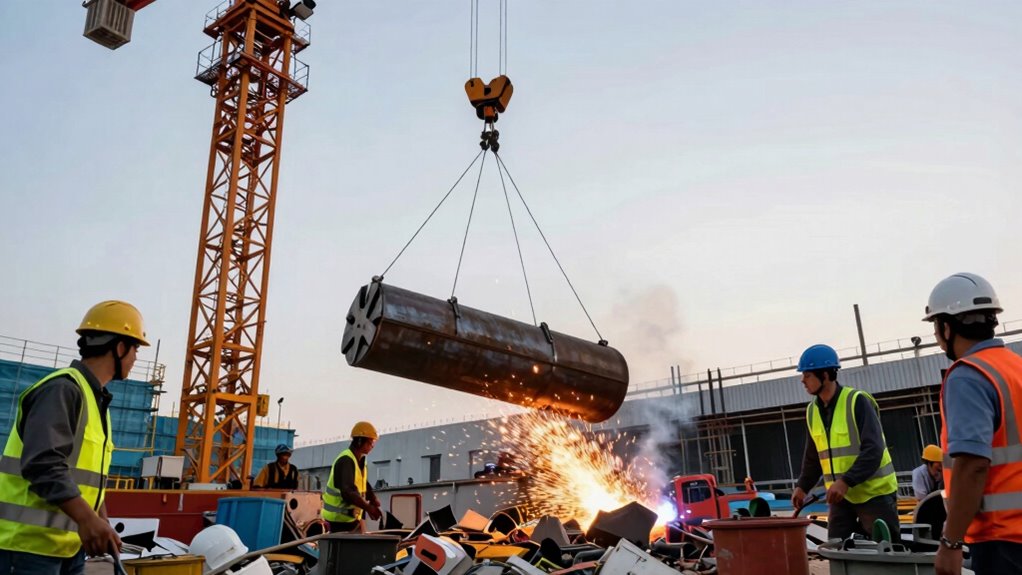
Lifting heavy loads might seem straightforward, but even small mistakes can lead to serious accidents and costly downtime. One of the most common errors is neglecting proper equipment inspection. Skipping routine checks or rushing through inspections can cause you to overlook wear and tear, damaged slings, or faulty hooks. This oversight puts everyone at risk, since compromised equipment can suddenly fail under load, leading to injuries or property damage. Before you begin any lift, you need to thoroughly inspect all gear—chains, slings, shackles, and cranes—to verify they’re in good condition. Regular inspections aren’t just a safety measure; they’re a critical step in preventing costly delays and legal liabilities. Ensuring your equipment is in good condition also involves understanding lifting safety protocols**, which are essential for safe operation. Additionally, staying informed about the latest maintenance guidelines can help identify potential issues before they cause incidents. Incorporating preventive maintenance strategies** can further reduce the risk of equipment failure during lifts.
Another mistake that often trips people up is insufficient worker training. If you or your colleagues aren’t properly trained, you might not recognize the signs of equipment malfunction or understand the correct procedures for safe lifting. Proper training empowers you to evaluate weight capacities, identify hazards, and execute lifts smoothly. Without it, you risk mishandling loads, misjudging distances, or using incorrect rigging methods. Investing in extensive training sessions for your team minimizes these risks and boosts overall safety. It’s not enough to just know how to operate machinery—you need to understand safety protocols, emergency procedures, and how to communicate effectively during lifts. Well-trained personnel are also better equipped to respond swiftly and correctly in emergency situations, reducing potential damages and injuries. Continuous education and refresher courses keep safety at the forefront and enhance overall operational competence.
Failing to plan the lift thoroughly is another costly mistake. Rushing into a lift without evaluating the load’s weight, center of gravity, and the environment can lead to instability and accidents. You should always plan your lift carefully—identify the best lifting points, clear the area of obstructions, and ensure that the path is stable. Proper planning also involves communicating clearly with your team, so everyone knows their role. An effective lift plan ensures that all variables are considered, reducing the likelihood of unexpected complications during the operation. Proper planning and communication are essential for a safe and efficient lift. Taking the time to simulate or review the lift process beforehand can further enhance safety and efficiency.
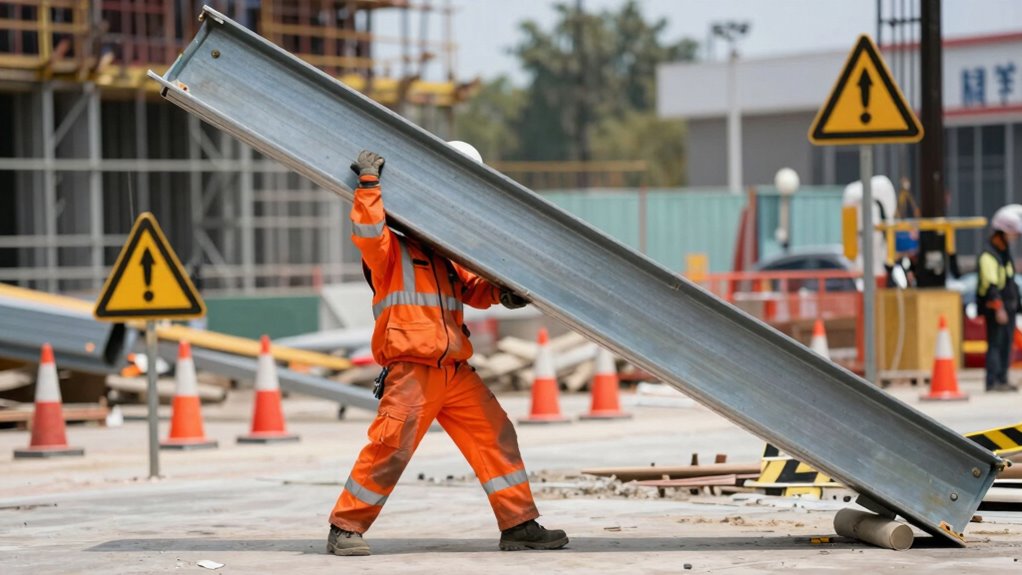
Ignoring safety protocols or rushing through the process can be tempting in busy work environments, but it dramatically increases the risk of accidents. Always follow the manufacturer’s instructions, adhere to weight limits, and double-check your equipment and plan before lifting. Remember, safety isn’t just about avoiding fines; it’s about protecting lives and maintaining productivity. By paying attention to equipment inspection, ensuring extensive worker training, and planning every lift meticulously, you can avoid many costly mistakes. Good lifting practices aren’t just smart—they’re essential for your team’s safety and your operation’s success.
lifting equipment inspection tools
As an affiliate, we earn on qualifying purchases.
As an affiliate, we earn on qualifying purchases.
Frequently Asked Questions
How Often Should Lifting Safety Training Be Refreshed?
You should refresh your lifting safety training at least annually to stay aligned with current training protocols and certification standards. Regular updates ensure you’re aware of new safety procedures, equipment, and regulations. Repeating training helps reinforce best practices, reduces mistakes, and maintains compliance. Frequent refreshers also build confidence, making sure you’re prepared to handle lifting tasks safely and effectively, ultimately preventing costly accidents and injuries.
What Are the Best Methods to Inspect Lifting Equipment Regularly?
You should regularly inspect lifting equipment using thorough inspection techniques like visual checks for wear, corrosion, or deformation, alongside more detailed methods such as load testing. Always verify that your equipment has current certifications to guarantee compliance and safety standards. Schedule inspections frequently, especially before each use, and keep detailed records of all inspections. This proactive approach helps catch issues early, preventing accidents and costly downtime.
How Do Weather Conditions Impact Lifting Safety Procedures?
Weather hazards markedly impact lifting safety procedures, so you need to stay vigilant. Wind considerations are especially critical; strong gusts can destabilize loads and equipment, increasing the risk of accidents. Always monitor weather forecasts before lifting, and postpone operations during high winds or storms. Adjust safety procedures accordingly, ensuring that lifts are only performed in safe conditions. Proper planning and real-time weather awareness help prevent costly mistakes and protect everyone involved.
What Are the Legal Penalties for Lifting Safety Violations?
You face legal penalties if you violate lifting safety regulations. Non-compliance can lead to hefty fines, increased penalties, or even criminal charges, depending on the severity. Authorities enforce penalties through inspections and penalty enforcement measures. Staying compliant with safety standards not only prevents accidents but also shields you from legal consequences. Prioritize legal compliance to avoid costly legal penalties and guarantee a safe, responsible workplace environment.
How Can Remote or Automated Lifting Be Made Safer?
You can make remote or automated lifting safer by utilizing remote monitoring systems, which track equipment performance and detect issues early. Implement automated diagnostics to identify potential failures before they happen. Regularly update and maintain these systems, train staff on their use, and guarantee clear communication channels. These steps reduce risks, improve safety, and prevent costly accidents by catching problems proactively and keeping everyone informed.
As an affiliate, we earn on qualifying purchases.
Conclusion
Now that you know these common lifting mistakes, are you truly ready to avoid them? One overlooked slip-up could turn a routine lift into a dangerous accident. The next move you make might be the one that changes everything—either safeguarding your team or risking disaster. Stay alert, stay cautious, and keep safety at the forefront. Because when it comes to lifting, a single oversight could be the difference between safety and tragedy. Are you prepared?
As an affiliate, we earn on qualifying purchases.
As an affiliate, we earn on qualifying purchases.
Halloween Picks
halloween
As an affiliate, we earn on qualifying purchases.