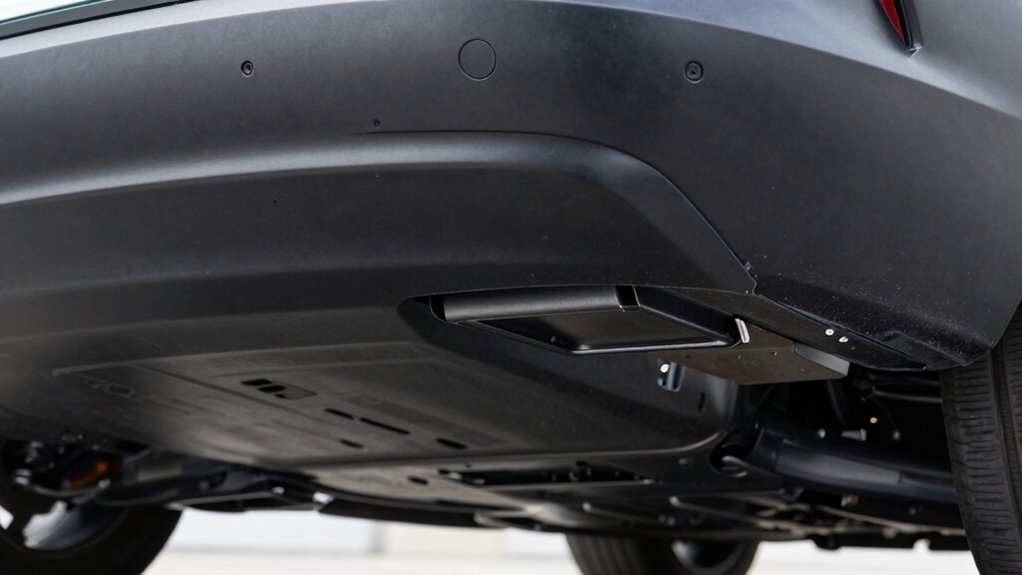

When lifting a unibody vehicle, always use the manufacturer-recommended lift points marked or listed in the owner’s manual. Avoid placing jacks directly on pinch welds or unreinforced areas, as this can cause crushing or deformation. Use lift pads, wood, or adapters to distribute the load evenly. Support the vehicle with jack stands on reinforced areas, not just the hydraulic jack. Following proper technique helps prevent damage, and you’ll discover essential tips for safe lifting ahead.

Get garage and car supplies delivered free — and shop member deals
- Fast, free delivery on millions of items
- Access to Prime Big Deal Days deals on October 6–7
- Prime Video, Amazon Music and more included
Key Takeaways
- Always use manufacturer-recommended lift points marked on the vehicle or in the owner’s manual.
- Avoid placing jacks directly on pinch welds; use lift pads or wood for even load distribution.
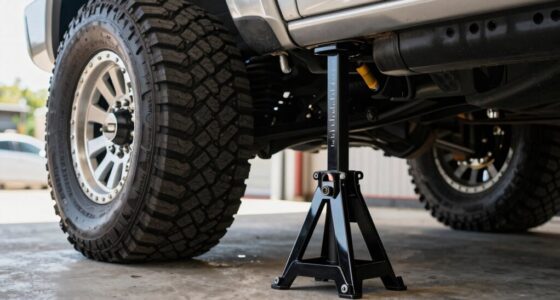
- Support the vehicle with jack stands on reinforced areas or frame rails, not just the pinch welds.
- Lift slowly and confirm proper placement before applying full pressure to prevent damage.
- Reinforce or distribute load during extended lifts to prevent crushing or bending delicate pinch welds.
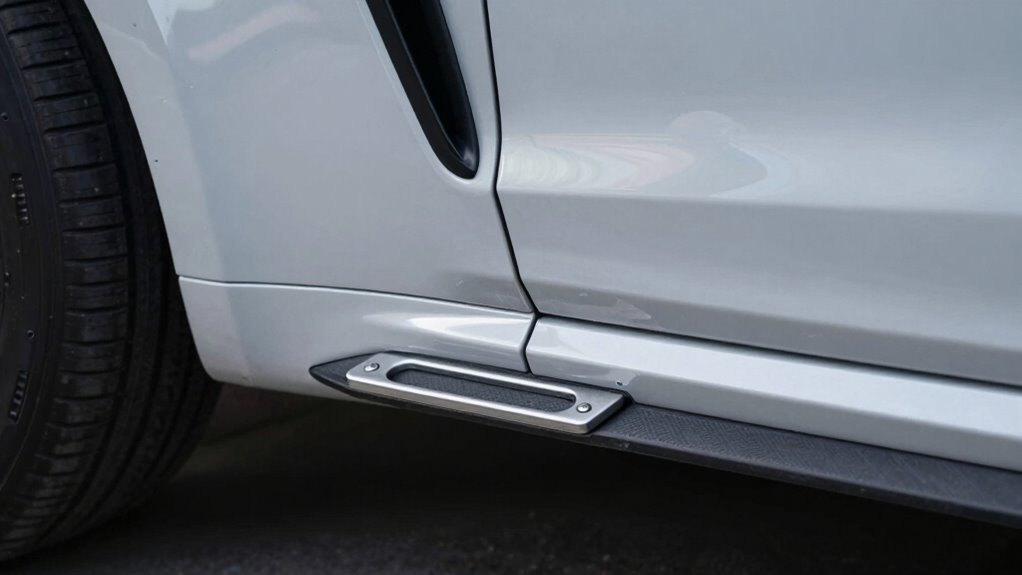
When lifting a vehicle with a unibody construction, utilizing designated lift points is essential to avoid damaging the frame or body. Unlike body-on-frame vehicles, unibody designs rely on the integrated structure of the sheet metal, so improper lift points can crush pinch welds or bend panels. To prevent this, you need to pay close attention to where you place your jack and how you reinforce the frame during the lift. The key is to identify the manufacturer-recommended lift points, often marked or found in the owner’s manual. These spots are engineered to bear the vehicle’s weight without deforming the body or compromising structural integrity. When positioning your jack, guarantee you’re placing it directly on these designated points rather than on the pinch welds or other areas that aren’t reinforced. Improper jack placement can lead to unnecessary stress on the body panels, and eventually, damage the vehicle’s structural integrity. Proper lift point identification is crucial for ensuring your safety and preventing costly repairs. Frame reinforcement is essential when you plan to lift a unibody vehicle for an extended period or for any repair that requires stability. Using a lift pad or a piece of wood between the jack and the vehicle can help distribute the load evenly. This prevents localized pressure that might crush pinch welds or deform the vehicle’s body. If you’re working on a particularly delicate or aged vehicle, adding extra frame reinforcement or using a specialized lift adapter can provide additional safety. This approach ensures the weight is shared across a broader area, reducing the risk of damage. Additionally, always consult vehicle-specific guidelines to ensure proper procedures are followed during lifting. Proper jack placement is not just about positioning the jack correctly but also about how you support the vehicle during the lift. Always lift slowly and check that the jack is securely in place before applying full pressure. Once lifted, use jack stands to support the vehicle securely, never rely solely on the hydraulic jack. Proper load distribution during lifting is vital to minimize the risk of crushing pinch welds or causing unintended damage, particularly with unibody construction. Ensuring that the lift is performed on the correct lifting points helps maintain the vehicle’s structural integrity and prolongs its lifespan. When setting the stands, position them on reinforced areas or frame rails designed to handle the load. This approach keeps the vehicle stable and minimizes the risk of crushing pinch welds or causing unintended damage.
As an affiliate, we earn on qualifying purchases.
Frequently Asked Questions
Can I Use Any Lift Point on a Unibody Vehicle?
You shouldn’t use just any lift point on a unibody vehicle. Always follow the manufacturer’s recommended lift points to avoid damaging the pinch welds, which can impact your paint protection and tire alignment. Using improper lift points risks crushing or bending critical areas. Proper lifting guarantees your vehicle stays in good condition, preventing costly repairs and maintaining alignment and paint integrity. Always consult your vehicle’s manual before lifting.
How Do I Identify the Correct Lift Points?
You identify the correct lift points by looking for lift point markings typically stamped or painted on your vehicle’s frame. These markings guide you to safe locations, avoiding damage. Always use pinch weld protection when lifting; place the jack or lift pad carefully on these designated spots. This guarantees you don’t crush or damage the pinch welds, keeping your vehicle secure and your repairs safe.
Are Aftermarket Lift Points Safe for Unibody Cars?
Think of aftermarket lift points as sturdy bridges over a river—if they’re well-made, they can support your vehicle safely. However, their lift point durability varies, and some may lack pinch weld reinforcement, risking damage. Always verify if aftermarket lift points are designed specifically for your car’s unibody and include reinforcement. Properly installed, they can be safe, but poorly designed or cheap options might compromise your vehicle’s structural integrity.
What Tools Are Best for Lifting Without Damaging Pinch Welds?
You should use lift pad options designed specifically for unibody cars, like rubber or foam pads, to distribute weight evenly and prevent damage. When selecting jack stands, choose those with adjustable height and a wide, stable base for added security. Always position lift pads on the recommended lift points, avoiding pinch welds directly, and make sure your jack stands support the vehicle firmly before lifting to avoid crushing damage.
How Often Should I Inspect Lift Points for Wear?
You should inspect your lift points regularly, ideally before each use, to guarantee safe lift point maintenance. During pinch weld inspection, look for signs of corrosion, cracks, or deformation that could compromise the weld’s integrity. Frequent inspections help catch wear early, preventing damage to your vehicle’s unibody. Keeping a routine check schedule ensures your lifting process remains safe, and you avoid causing costly damage or compromising safety during maintenance.
As an affiliate, we earn on qualifying purchases.
Conclusion
Remember, your car’s pinch welds are like fragile spiderwebs—delicate yet essential. If you ignore their strength, you risk turning a simple lift into a costly nightmare. Treat them with respect, and they’ll be your steadfast allies, holding your vehicle steady like a trusted friend. With careful attention, you won’t just lift your car—you’ll lift it safely, keeping those precious unibody structures intact. Protect your ride, and it’ll reward you with years of smooth, worry-free journeys.
As an affiliate, we earn on qualifying purchases.
As an affiliate, we earn on qualifying purchases.
Halloween Picks
halloween
As an affiliate, we earn on qualifying purchases.