To guarantee safety when setting up ramps and jack stands, first inspect all equipment for cracks, rust, or damage, and verify they meet safety standards. Park on a flat surface, engage the parking brake, and use wheel chocks. Carefully drive onto ramps, ensuring proper alignment and weight distribution. Place jack stands on solid ground at manufacturer-recommended points, lock them securely, and continuously monitor stability throughout the process. Continuing your preparations will help you master every step confidently.
Key Takeaways
- Inspect ramps and jack stands for damage, rust, and proper maintenance before use.
- Ensure vehicle is on a flat, level surface with parking brake engaged and wheel chocks in place.
- Drive onto ramps carefully, centering tires and verifying stability before working underneath.
- Use manufacturer-recommended lift points and securely lock jack stands on solid, level ground.
- Continuously monitor vehicle stability, connection points, and support during maintenance to prevent accidents.
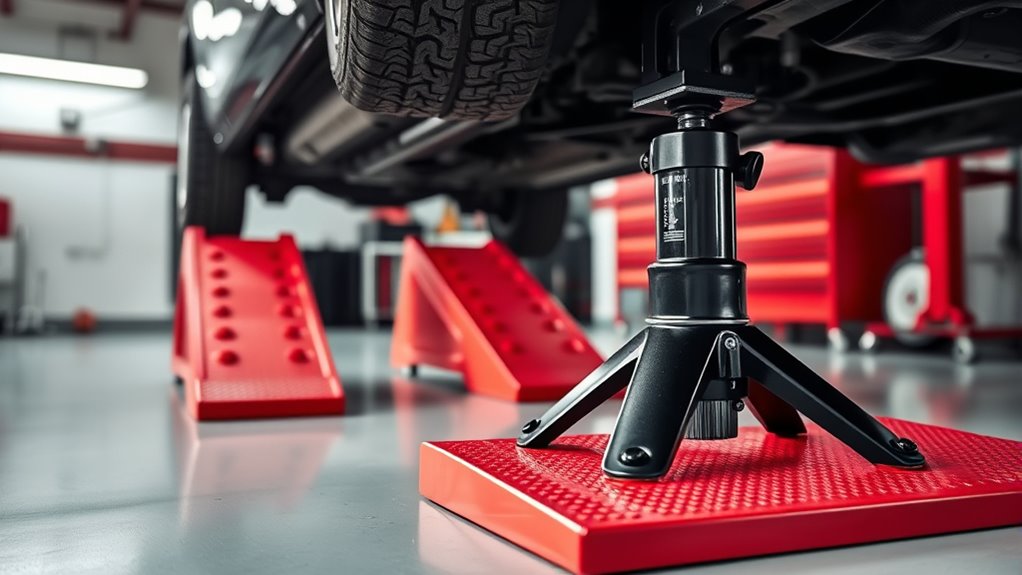
When working with ramps and jack stands, safety should always come first to prevent accidents and injuries. Your primary focus must be on ensuring vehicle stability throughout the entire process. Before you even lift the vehicle, conduct thorough inspection procedures. Check the ramps for any cracks, warping, or damage that could compromise their strength. Likewise, inspect the jack stands for rust, bent components, or worn-out locking mechanisms. A stable, well-maintained setup minimizes the risk of slips or collapses, keeping you safe as you work underneath the vehicle.
Proper vehicle positioning is essential for stability. Make sure the vehicle is on a flat, level surface before starting. Engage the parking brake fully and place wheel chocks behind the wheels that remain on the ground. When driving the vehicle onto ramps, do so slowly and carefully, ensuring the tires are centered and aligned with the ramp’s surface. You want the vehicle’s weight evenly distributed across the ramps to avoid any shifting or slipping. Once the vehicle is on the ramps, double-check that it’s secure and stable before proceeding.
Ensure vehicle stability by parking on a flat surface, engaging the brake, and carefully driving onto ramps.
When using jack stands, lift the vehicle with a hydraulic jack or a lift designated for the task. Always position the jack at the manufacturer’s recommended lift points. As you raise the vehicle, keep an eye on its stability, making sure it’s lifting straight and steadily. Once at the desired height, carefully slide the jack stands into place, ensuring they are fully engaged and locked. Never rely solely on the hydraulic jack to support the vehicle; always use jack stands to provide the necessary extra stability. Confirm that the stands are on solid, level ground and that their legs are fully extended and locked into position.
Throughout the setup, continuously monitor the entire system. Check that the vehicle remains balanced and that the stands are not shifting or wobbling. Regularly inspect the connection points and support points during your work, especially if you notice any unusual movement or noise. Remember, even a small misalignment can lead to dangerous instability. Always work within the weight limits of your ramps and jack stands, refusing to compromise safety for convenience. Additionally, verify proper registration of your equipment to ensure it meets safety standards. By following proper inspection procedures and maintaining vigilance about vehicle stability, you markedly reduce the risk of accidents, ensuring a safer environment for yourself and others while performing maintenance or repairs.

Milwaukee 2903-20 M18 FUEL 18V Lithium-Ion Brushless Cordless 1/2 in. Drill/Driver (Tool-Only)
Auto-Stop Control Mode, Enhanced Safety
As an affiliate, we earn on qualifying purchases.
Frequently Asked Questions
What Are the Best Types of Ramps for Different Vehicles?
You should choose ramps based on vehicle compatibility and ramp material. For lightweight cars, plastic or aluminum ramps work well because they’re easy to carry and resist corrosion. Heavier or off-road vehicles need sturdy steel ramps for extra support. Always match the ramp’s weight capacity with your vehicle’s weight, and opt for slip-resistant surfaces to guarantee safety. Properly selecting ramps ensures stability and prevents accidents during setup.
How Often Should I Inspect My Jack Stands?
You should inspect your jack stands before every use and at least once a month during your maintenance schedule. Regular inspections are vital—look for cracks, rust, or bent parts that could fail unexpectedly. Neglecting this routine might lead to dangerous collapses. Stay vigilant; your safety depends on catching issues early. Keep a detailed record of inspections to guarantee your jack stands remain reliable when you need them most.
Can I Use Ramps and Jack Stands Together Safely?
Yes, you can use ramps and jack stands together safely, but verify your vehicle’s compatibility with both. Check that the ramps support your vehicle’s weight and are made from durable materials like heavy-duty plastic or metal. Use the ramps to elevate the vehicle initially, then place the jack stands under secure points for added stability. Always follow manufacturer guidelines to prevent accidents and ensure a safe working environment.
What Weight Limits Should I Consider for Ramps?
Your vehicle’s weight ratings are your guiding star, ensuring safety isn’t just a hope but a certainty. When considering ramp capacity, always check the manufacturer’s specified weight limits, which should comfortably support your vehicle’s weight plus additional safety margins. Ignoring these limits can turn your setup into a disaster waiting to happen. Be vigilant about ramp capacity considerations—overshooting can lead to catastrophic failure, so prioritize safety above all.
Are There Specific Safety Features to Look for in Jack Stands?
You should look for jack stands with strong safety certifications like ANSI or ASME, ensuring they meet safety standards. Prioritize stands with stability features such as wide base plates and locking mechanisms that prevent slipping or collapsing. These features provide extra security when lifting heavy loads. Always verify the certification labels and inspect the stands for sturdy construction, ensuring they support your vehicle’s weight safely and reliably during maintenance or repairs.

Milwaukee Electric - M18COMPACT BRUSHLESS 1/2 INCH Hammer Drill/Driver
Compact design: provides excellent balance and control, ideal for overhead applications or work in tight spaces.
As an affiliate, we earn on qualifying purchases.
Conclusion
By following these safety tips for ramps and jack stands, you can confidently work on your vehicle without worry. Remember, taking a few extra moments to double-check your setup keeps you safe and prevents accidents. It might seem like a hassle now, but safety always comes first—your well-being is worth it. So, don’t rush the process; enjoy your DIY projects knowing you’ve prioritized safety every step of the way.
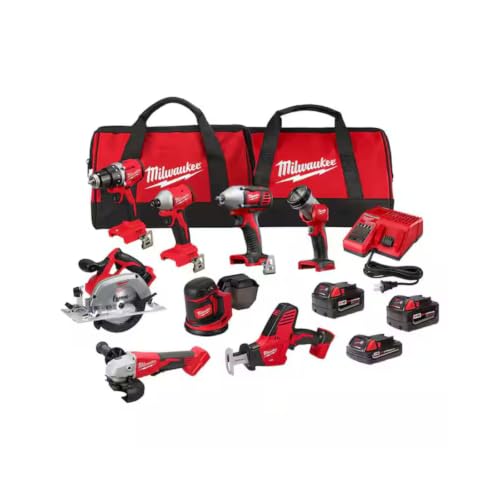
Milwaukee M18 18V Cordless Power Tool Combo Kit, 8-Tool Set, 3 Batteries, 2 Tool Bags, Charger Included
COMPLETE KIT: Includes hammer drill, impact driver, circular saw, angle grinder, reciprocating saw, multi-tool, work light, and 3...
As an affiliate, we earn on qualifying purchases.

MOTOPOWER MP69033 Car OBD2 Scanner Code Reader Engine Fault Scanner CAN Diagnostic Scan Tool for All OBD II Protocol Cars Since 1996, Yellow
Multi-Functions - Practical Multi-Functions OBD2 code reader features built-in OBD2 DTC lookup library, which help you to determine...
As an affiliate, we earn on qualifying purchases.