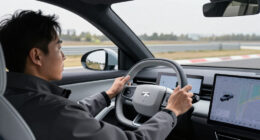
When you wear polarized sunglasses and look at certain screens, they may appear dark or distorted because both use polarized filters that can align and block light. Depending on the angle, your glasses can block display light or cause glare issues, making screens hard to see. Usually, shifting your head or device can help. For a deeper understanding of how to manage this common problem, keep exploring these tips.

Get business pricing on garage and car supplies
- Business-only prices and quantity discounts
- Tax-exempt purchasing
- Multiple users, one account, clear invoices
Key Takeaways
- Polarized sunglasses contain filters that block horizontally polarized light, which can interfere with the polarized layers in screens.
- When viewing screens through polarized glasses, the display’s light may be partially blocked, causing darkness or distortion.
- Tilting your head or adjusting the device angle can realign polarized light, restoring screen visibility.
- Removing polarized glasses temporarily helps determine if polarization is causing the screen visibility issue.
- Some devices have anti-reflective or special polarizing filters to minimize screen darkening when viewed through sunglasses.

Polarized sunglasses and screens are designed to reduce glare and improve visibility, but many people don’t realize how these technologies interact. When you wear polarized sunglasses, they contain a special filter that blocks horizontally polarized light, which is responsible for much of the glare reflected off surfaces like water, roads, or snow. This glare reduction makes activities like driving, fishing, or skiing safer and more comfortable. However, this same polarization can interfere with electronic displays, causing screens to go dark or appear distorted. Understanding this interaction helps you troubleshoot and protect your devices while enjoying the benefits of polarized eyewear.
Polarized sunglasses reduce glare but can cause screens to appear dark or distorted.
UV protection is another essential feature of polarized sunglasses, and it works alongside glare reduction to shield your eyes from harmful ultraviolet rays. When sunlight hits your glasses, the polarization filter blocks intense glare, reducing eye strain and fatigue. Simultaneously, UV protection filters out ultraviolet radiation, which can cause long-term damage to your eyes, including cataracts and macular degeneration. Many polarized lenses combine both features, giving you complete eye protection during outdoor activities. But, because the polarization filters can affect screen visibility, you might notice that your smartphone or GPS device appears dark or unreadable when viewed through polarized sunglasses.
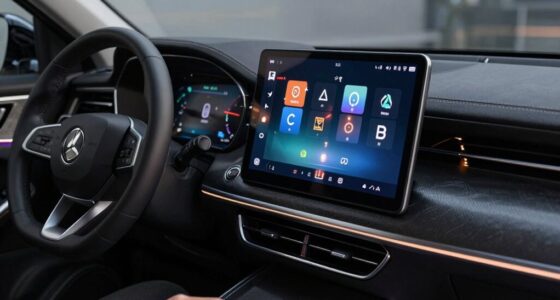
This interaction occurs because many screens—especially LCD and OLED displays—emit polarized light. When the display’s polarizing layer aligns with the polarization of your sunglasses, the light can be blocked or markedly diminished, making the screen look dim or even completely black. This effect is more common with certain devices and specific angles of viewing. If you find your screen going dark when wearing polarized glasses, try adjusting the angle or removing the glasses briefly to see if the display becomes visible again. Some newer devices incorporate anti-reflective or special polarizing filters to mitigate this issue, but not all do.
To avoid frustration, it’s helpful to recognize when polarization might be causing the problem. If you’re outdoors and wearing polarized sunglasses, be cautious when checking your phone or GPS. Rotating your head or tilting your device slightly can sometimes restore visibility. Alternatively, keep a non-polarized pair of glasses or contact lenses handy, especially if you rely heavily on screens. Ultimately, polarized sunglasses offer fantastic glare reduction and UV protection, but understanding their interaction with screens helps you make informed choices during outdoor activities, ensuring both eye safety and device usability.
Frequently Asked Questions
Do Polarized Lenses Cause Eye Strain or Headaches?
Polarized lenses can cause eye strain or headaches if they lead to lens discomfort or interfere with your vision. Some people experience headache causes from the way polarized filters block certain light waves, which may strain your eyes over time. If you notice discomfort or headaches, try switching lenses or adjusting your viewing habits. Paying attention to how your eyes respond helps prevent lens discomfort and reduces headache causes.
Can Polarized Sunglasses Improve Visibility in Fog or Rain?
Did you know that only 20% of drivers find fog or rain visibility improved with polarized sunglasses? They can enhance visibility improvement by reducing glare from wet surfaces, making it easier to see through fog or rain. However, they may cause adverse effects like reduced visibility in certain conditions. Use polarized sunglasses cautiously in such weather, and consider switching to non-polarized lenses if visibility worsens.
Are There Differences Between Polarized and Non-Polarized Screen Protectors?
Yes, there are differences between polarized and non-polarized screen protectors. Polarized protectors enhance lens clarity and reduce glare, making screens easier to see in bright environments. Non-polarized protectors don’t offer glare reduction but still protect your device from scratches. If you want better visibility and less eye strain outdoors, choose a polarized screen protector. However, if glare isn’t a concern, a non-polarized option might suffice.
How Do Polarized Displays Affect the Use of Virtual Reality Headsets?
Polarized displays can impact your VR headset visibility by reducing glare and enhancing contrast, but they may also cause issues like limited viewing angles or color distortion. When using VR headsets with polarized screens, you might notice visual flickering or difficulty seeing certain images clearly. To improve your experience, try adjusting the headset’s position, or opt for non-polarized displays if polarization causes persistent problems.
Are Polarized Sunglasses Suitable for Night Driving?
Polarized sunglasses aren’t suitable for night driving because they make it harder to see, especially in challenging conditions like low light or glare from other vehicles. While polarized lenses offer benefits like reducing glare during the day, they can worsen visibility at night. For night driving, you should opt for clear or yellow-tinted glasses that improve contrast and reduce glare without dimming your view.
Conclusion
So, next time your screen decides to vanish behind those trendy polarized sunglasses, don’t blame your device — blame your fashion statement. It’s like your glasses are throwing a private party, and your phone isn’t invited. Maybe it’s time to embrace the dark side of style and technology combined. Or, you know, just take off the sunglasses when you need to see. Either way, you’re now officially in the polarized club — stylishly frustrated.
Halloween Picks
halloween
As an affiliate, we earn on qualifying purchases.