
The common failure in fridge power planning is ignoring proper placement, energy ratings, and maintenance. Many people overlook how placing the fridge near heat sources or in direct sunlight increases energy use, leading to higher bills. They also forget to check if the unit has a good energy efficiency rating or neglect routine upkeep like cleaning coils and seals. If you want to save energy and prolong your fridge’s life, understanding these factors is essential—stay tuned for more tips.
Key Takeaways
- Avoid neglecting energy efficiency ratings; choose models with high Energy Star scores.
- Don’t place the fridge near heat sources or in direct sunlight, which increases energy consumption.
- Refrain from overlooking proper ventilation and placement to reduce the appliance’s workload.
- Stop ignoring regular maintenance, such as cleaning coils and door seals, to prevent unnecessary power use.
- Avoid relying solely on size or features; consider environmental factors and proper setup for optimal efficiency.
Many homeowners overlook a common mistake when planning their fridge’s power needs, and it can lead to unexpected energy bills and appliance issues. When you’re setting up or upgrading your refrigerator, it’s easy to focus on size, features, or brand without giving enough thought to its actual power consumption. This oversight often results in choosing a model that isn’t energy efficient, which means your fridge ends up using more electricity than necessary. Over time, this adds up to higher utility bills and increased wear on the appliance itself.
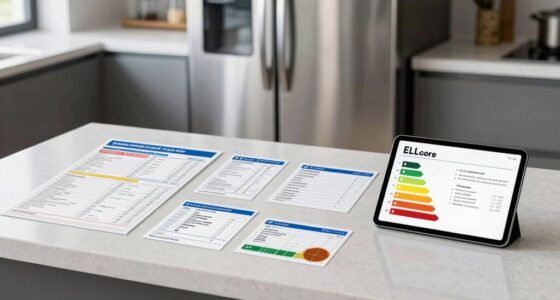
The key to avoiding this mistake is understanding how much energy your fridge consumes and how that impacts your overall power consumption. Many people assume that bigger or more feature-rich models are naturally more energy-efficient, but that isn’t always true. Instead, you need to look at the Energy Star ratings or similar efficiency labels. These ratings give you a clear picture of how much power a fridge uses relative to its size and features. Choosing an appliance with a higher energy efficiency rating helps you cut down on unnecessary power use, which benefits both your wallet and the environment.
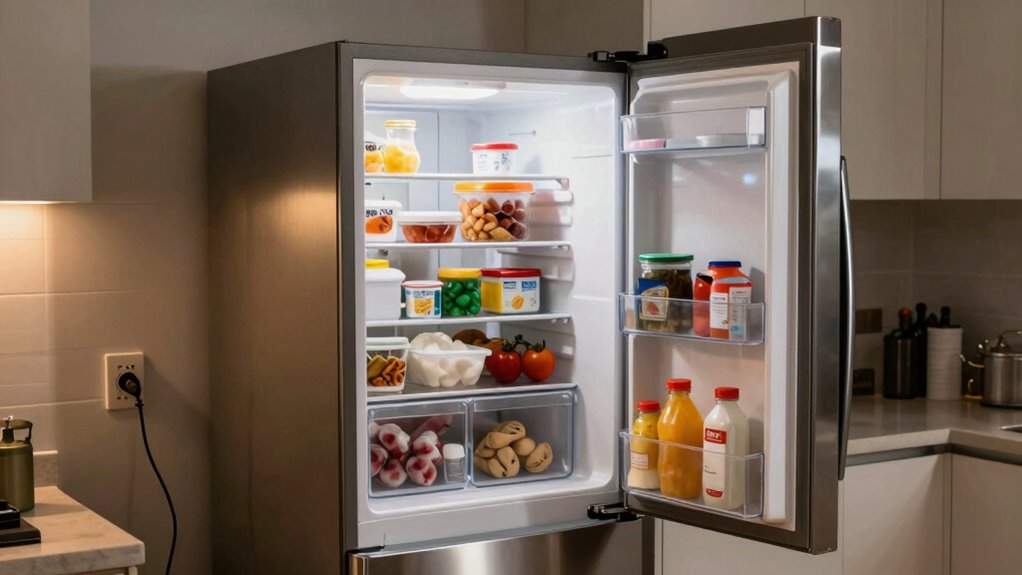
Another mistake you should avoid is underestimating the importance of proper placement and setup. If your fridge is placed in a spot with poor ventilation or exposed to direct sunlight, it has to work harder to maintain a cool temperature. This increases its overall power consumption, even if the fridge itself is energy efficient. Ensuring proper ventilation and keeping the appliance away from heat sources can markedly improve its energy efficiency and reduce your electricity bills. Additionally, understanding how appliance energy consumption is measured and rated can help you make smarter choices when selecting and positioning your fridge. Being aware of ambient temperature and its effect on your appliance can also play a crucial role in optimizing energy use. Proper placement and awareness of environmental factors can further enhance efficiency and longevity of your appliance. Recognizing how climate conditions impact appliance performance can lead to even more energy savings and better appliance lifespan. Furthermore, regular maintenance, such as cleaning coils and seals, can also contribute significantly to reducing energy waste.

Antarctic Star Mini Fridge with Freezer, Rated 1.6 cu.ft, Small Upright Refrigerator with Removable Shelves, 7 Adjustable Thermostat, Low Noise for Bedroom/Apartment/Office,White
【7 Kinds of Temperature Adjustment】The 7 Temperature options of this small refrigerator can be easily adjusted between 30℉…
As an affiliate, we earn on qualifying purchases.
As an affiliate, we earn on qualifying purchases.
Frequently Asked Questions
How Often Should I Check My Fridge’s Energy Efficiency?
You should check your fridge’s energy efficiency at least once a year. Start with an energy audit to identify any efficiency issues, and consider doing a power calibration if it’s using more energy than expected. Regular checks help you catch problems early, saving you money and extending your fridge’s lifespan. Keep an eye on energy bills and performance, and don’t hesitate to schedule professional assessments for maximum efficiency.
What Are Signs My Fridge Is Using Too Much Power?
Like a vintage radio, your fridge might be signaling issues. If your fridge’s temperature settings are inconsistent or your appliance cycles on and off more frequently, it’s using too much power. Power fluctuations, especially if you notice spikes or your energy bill rises unexpectedly, also indicate inefficiency. These signs suggest your fridge is working harder than it should, so check the settings and consider maintenance to save energy and prolong its lifespan.
Does Fridge Size Affect Energy Consumption?
Yes, fridge size impacts energy consumption. Larger fridges require more power to maintain cool temperatures, especially if insulation isn’t ideal. Good fridge insulation helps retain cold air, reducing the compressor’s workload, which improves efficiency. Conversely, a bigger fridge with poor insulation forces the compressor to work harder and consume more energy. So, choosing a size suited to your needs and ensuring proper insulation can save you energy and money.
Are Energy-Efficient Refrigerators Worth the Investment?
Yes, energy-efficient refrigerators are worth the investment. With features like Energy Star certification and inverter technology, they cut energy use considerably, saving you money in the long run. Imagine a fridge that adapts to your needs, reducing power when possible. The suspense lies in how much you’ll save over years—making these models a smart choice for your wallet and the environment. Don’t wait—upgrade today for smarter cooling.
How Can I Improve My Fridge’s Power Consumption Quickly?
You can quickly improve your fridge’s power consumption by adjusting the thermostat to a moderate setting, around 37-40°F, and ensuring door seals are tight. Regularly clean the seals to prevent cold air leaks, which makes your fridge work harder. Avoid overloading it, as that blocks airflow. These simple steps help reduce energy use immediately, making your fridge more efficient and saving you money on electricity bills.

Refrigerator Coil Cleaning Brush,Sewer Set Brush Clog Remover,for Toilet, Kitchen Sink, Sewer, Bathroom Bathtub Hair Clogging Cleaning Tool,Long Drain Brush
DURABLE MATERIAL: The brush rod is made of high quality stainless steel, flexible and bendable. The spiral bristles…
As an affiliate, we earn on qualifying purchases.
As an affiliate, we earn on qualifying purchases.
Conclusion
Now that you know the pitfalls in fridge power planning, picture your kitchen humming smoothly, with your fridge quietly humming in the corner, never struggling or flickering. By avoiding these common failures, you’ll keep the heart of your home running effortlessly, like a well-oiled machine. Treat your fridge with the care it deserves, and it’ll serve you reliably, preserving your food and peace of mind, day after day, in the cozy glow of a well-planned space.

Innconee 242193206 Refrigerator Door Gasket Replacement Compatible with Kenmore Crosley Westinghouse Refrigerator Door Seal White, 41.62 x 28.5 Inches
Material and Measurements: made from PVC and magnet, this door gasket is designed to last for years, helping…
As an affiliate, we earn on qualifying purchases.
As an affiliate, we earn on qualifying purchases.

3 Pieces Dryer Vent Cleaner Kit: Vacuum Hose With Brush & Gloves Fits for Vacuums Cleaner, Refrigerator Condenser Coils, and Tight Spaces Behind Appliances, Deep Cleaning Tools for Clogged Ducts
UNIVERSAL COMPATIBILITY: Designed to attach securely to any standard vacuum cleaner hose for effective lint removal from dryer…
As an affiliate, we earn on qualifying purchases.
As an affiliate, we earn on qualifying purchases.