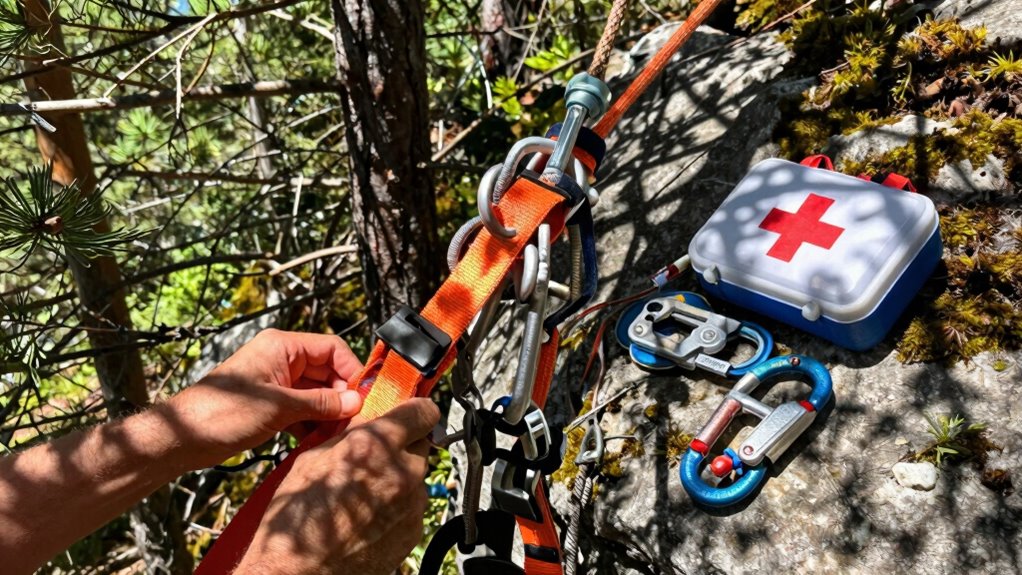
To keep your recovery gear safe and ready, store it in a cool, dry place away from direct sunlight and moisture. Regularly inspect for wear, cracks, or corrosion, and fix issues immediately. Handle everything carefully, wear gloves, and follow manufacturer guidelines for maintenance. Proper storage, thorough inspections, and cautious handling extend your gear’s lifespan and guarantee safety during use. To master proper practices and keep your gear reliable, continue exploring essential safety tips.
Key Takeaways
- Regularly inspect gear for wear, damage, or corrosion to ensure safety and reliability during recovery operations.
- Store gear properly in a dry, cool place, protected from sunlight and moisture to prolong lifespan.
- Follow manufacturer guidelines for maintenance, cleaning, and lubrication to keep gear in optimal condition.
- Use appropriate personal protective equipment, like gloves, when handling gear to prevent injury and damage.
- Maintain detailed records of inspections, repairs, and replacements to track gear safety and readiness.
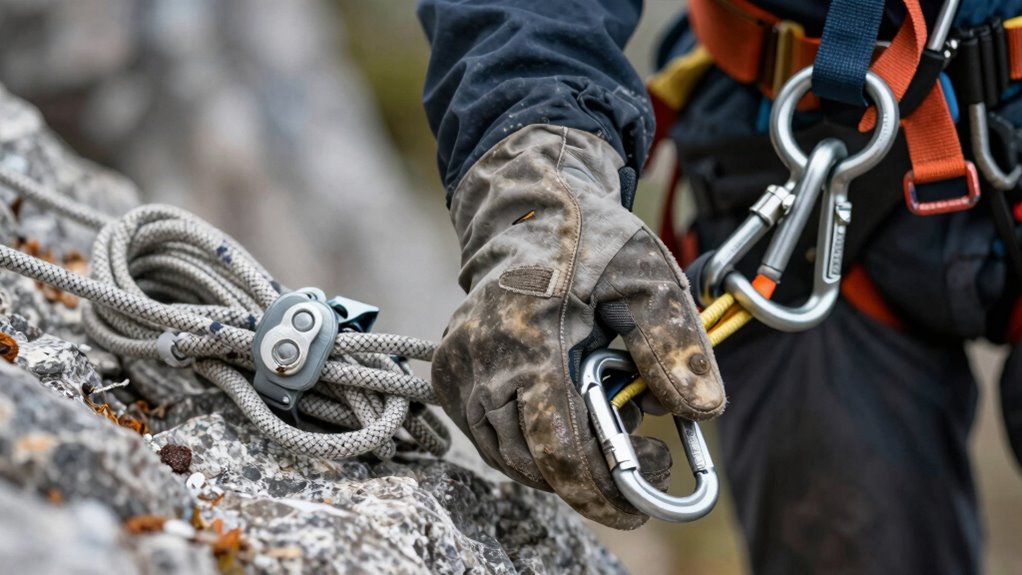
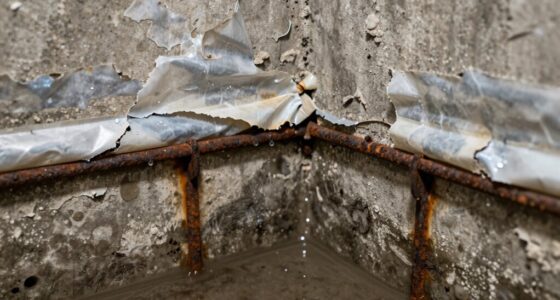
Are you prepared to handle recovery gear safely and effectively? If you’re someone who relies on recovery equipment, understanding how to maintain and store your gear is vital. Proper storage practices prevent material degradation and help maintain the integrity of your equipment over time. You want your recovery gear to perform reliably, so always choose a clean, dry, and cool location for storage. Avoid places with excessive heat, moisture, or direct sunlight, as these conditions can degrade materials over time. Using dedicated storage containers or bags helps protect your gear from dust, dirt, and potential damage. Regularly inspecting your gear is equally important. Gear inspection involves checking for signs of wear, cracks, frayed straps, or corrosion, especially on metal components. This routine helps you catch small issues before they become major failures during recovery operations. When inspecting, don’t rush; examine every part carefully, paying particular attention to straps, hooks, shackles, and pulleys. Guarantee all moving parts operate smoothly and that there are no rusted or corroded areas that could compromise strength. If you notice any damage or deterioration, replace or repair the affected components immediately. Proper storage and gear inspection go hand in hand; neglecting either can lead to compromised safety and potentially dangerous situations. Additionally, keeping detailed records of your inspections helps you track the condition of your recovery gear over time. Mark dates when inspections are performed and note any repairs or replacements made. This documentation acts as a maintenance history, guiding you on when to replace equipment or conduct more thorough inspections. It’s also wise to follow the manufacturer’s guidelines for storage and maintenance, as different gear types may have specific requirements. When handling recovery gear, always wear gloves to protect yourself from sharp edges or residual dirt, and handle everything with care to prevent accidental damage. Remember, your safety depends heavily on the reliability of your gear, so taking these steps isn’t just about prolonging its lifespan—it’s about guaranteeing your safety during critical recovery situations. Incorporating proper storage practices can significantly extend the life of your gear and ensure it performs when needed most. Regularly cleaning and lubricating moving parts can also help maintain gear functionality, especially for pulleys and hooks. Additionally, understanding the material composition of your gear can help you choose appropriate storage and maintenance methods, further extending its durability. Being aware of the manufacturing standards your gear meets can also inform you of its safety and reliability in critical moments. By committing to proper storage and diligent gear inspection, you’re investing in your confidence and safety, making sure your recovery gear remains dependable when it matters most.

Rhino USA Recovery Gear Storage Bag (Black) – Ultimate Recovery Kit Bag for Organization in Your Vehicle – Use With Your Tow Strap, Shackles, Snatch Block or Anything You Desire – Guaranteed For Life!
As an affiliate, we earn on qualifying purchases.
As an affiliate, we earn on qualifying purchases.
Frequently Asked Questions
How Often Should I Inspect My Recovery Gear for Wear and Tear?
You should inspect your recovery gear before every use to guarantee safety. Regular gear maintenance is essential, so check for wear, fraying, or damage at least once a month if you’re frequently using it. For gear stored for long periods, inspect it thoroughly before each use. Maintaining a consistent inspection frequency helps catch issues early, preventing accidents and prolonging the lifespan of your gear. Always prioritize safety through regular, careful inspections.
What Are the Signs That My Recovery Gear Needs Replacing?
You should replace your recovery gear when you notice signs like frayed or torn gear material, excessive wear, or weakened stitching. Even with regular usage, check for discoloration, cracks, or deformation, as these indicate deterioration. If your gear shows any of these signs, it’s time for a replacement to guarantee safety and reliability during your next recovery session. Always prioritize your safety by inspecting your gear regularly.
Can Recovery Gear Be Safely Used in All Weather Conditions?
Using recovery gear in all weather conditions is like steering a stormy sea—you need to understand weather hazards and gear durability. While some gear is designed for diverse conditions, extreme weather like heavy rain, snow, or heat can compromise safety and performance. Always check your gear’s specifications, inspect for damage, and consider weather hazards before use. When in doubt, wait for better conditions to guarantee your safety.
What Is the Proper Storage Method for Recovery Gear?
Proper storage of your recovery gear is essential for gear maintenance and safety. Store it in a cool, dry place away from direct sunlight, moisture, and extreme temperatures. Keep your gear in a clean, organized container or bag to prevent damage and dirt buildup. Regularly inspect and clean your gear before storage. This guarantees your equipment stays in good condition, ready for use whenever you need it, and prolongs its lifespan.
How Do I Choose the Right Recovery Gear for My Vehicle?
Thinking of choosing recovery gear? Well, first, make sure it’s compatible with your vehicle—no point in buying a shiny new winch that only fits a spaceship. Next, consider material durability—because your gear should survive the chaos, not crumble like a cookie. Opt for gear designed specifically for your vehicle and rugged enough for the off-road adventure ahead. It’s like dating—match wisely for a smooth, trouble-free ride!

Rhino USA Heavy-Duty Recovery Gear Combos Off-Road Truck Vehicle Recovery, Best Offroad Towing Accessories – Backed for Life (20' Strap + Hitch)
AMERICAN OWNED, FAMILY OPERATED – Join the Rhino Family & Support a USA based Father/Son Business!c
As an affiliate, we earn on qualifying purchases.
As an affiliate, we earn on qualifying purchases.
Conclusion
Remember, safety isn’t just about following rules—it’s about respecting the gear that keeps you safe. Regularly inspect, maintain, and use your recovery gear properly; don’t cut corners. As the old saying goes, “A stitch in time saves nine,” so invest in safety today to prevent bigger problems tomorrow. By staying vigilant and prepared, you guarantee your adventures remain exciting and injury-free. Stay safe out there, and trust your gear as much as you trust your skills.

3 Pack Telescoping Magnet Pick-up Tool Set – Retrieving Telescoping Magnet Pickup Tools,Extendable Magnetic Pick Up Tools,Bendable Spring Magnet Stick
【3 Set Package】Package comes with 1 piece telescoping magnetic pickup tools in 15 LB ( from 7.2 inch…
As an affiliate, we earn on qualifying purchases.
As an affiliate, we earn on qualifying purchases.

Schwer ProGuard High Level Cut Resistant Work Gloves for Extreme Protection, ANSI A9 Cut Gloves with Reinforced Thumb, Non Slip, Breathable, Durable, Touch-screen, Black 1 Pair(L 3326
【High Level of Protection】The ProGuard ANSI A9 cut resistant work Gloves provide the top-tier protection, boasting the high…
As an affiliate, we earn on qualifying purchases.
As an affiliate, we earn on qualifying purchases.