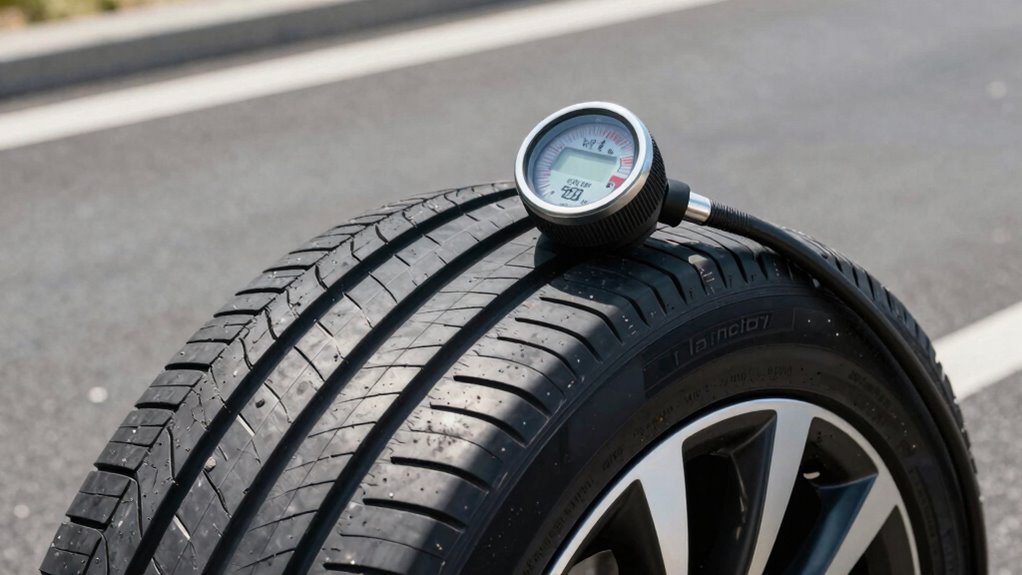

Avoid common air down pressure mistakes that can damage your tires and compromise safety. Don’t ignore proper inflation guidelines, especially when carrying extra weight or facing cold weather, as under- or overinflation can cause uneven wear, poor handling, and increased risk of blowouts. Failing to check pressures regularly also leads to decreased fuel efficiency and costly repairs. Keep your tires at the right pressure to guarantee safety, performance, and savings—stay with us to learn more.

Get business pricing on garage and car supplies
- Business-only prices and quantity discounts
- Tax-exempt purchasing
- Multiple users, one account, clear invoices
Key Takeaways
- Ignoring recommended tire pressure guidelines can lead to uneven wear and reduced tire lifespan.
- Overinflating tires decreases traction and increases the risk of blowouts.
- Underinflated tires cause higher fuel consumption and uneven tire wear.
- Failing to regularly check and adjust tire pressure allows small issues to become costly repairs.
- Using incorrect pressure values based on general assumptions instead of manufacturer recommendations can compromise safety.
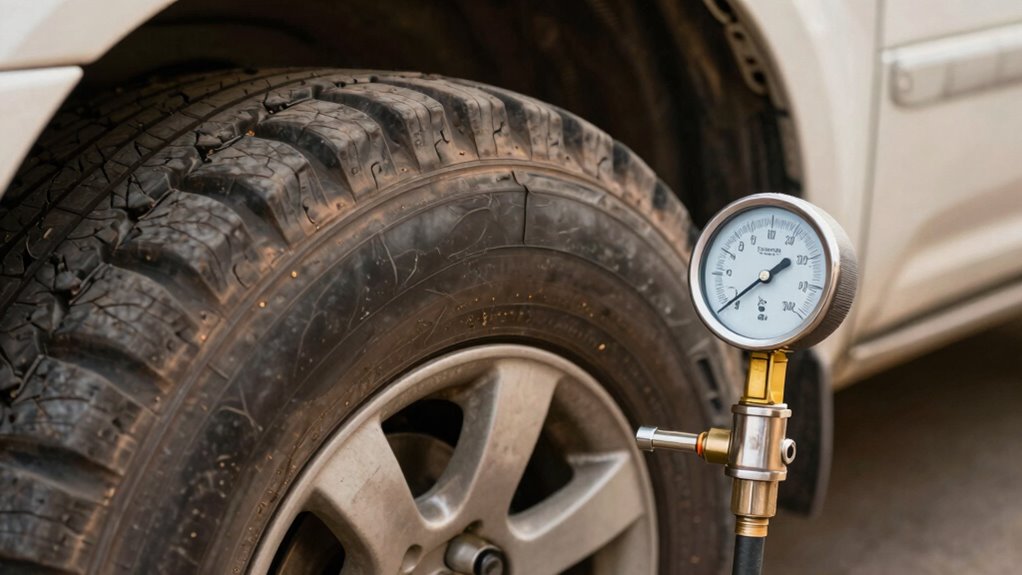
Many drivers also forget to adjust tire pressure based on load or weather conditions. For example, if you’re carrying extra weight, your tires need more air to support the additional load. Conversely, in cold weather, tire pressure drops, and if you don’t compensate, you risk driving on underinflated tires. Both scenarios can lead to uneven tire wear and decreased fuel efficiency. Underinflated tires create more rolling resistance, causing your engine to burn more fuel, while overinflated tires can lead to a rough ride and faster tire degradation. Regularly checking and adjusting your tire pressure according to proper inflation guidelines can help prevent these costly issues and ensure your tires perform optimally. Additionally, understanding tire pressure maintenance can save you money and improve safety on the road. Remember, neglecting air pressure checks can also result in unsafe driving conditions and unexpected breakdowns. Staying informed about correct tire pressure is essential for both safety and cost savings. Proper tire inspection routines are also crucial for identifying potential issues before they become serious problems.
As an affiliate, we earn on qualifying purchases.
Frequently Asked Questions
How Often Should I Check My Tire Pressure?
You should check your tire pressure at least once a month to guarantee safety and peak performance. Regularly inspecting your tires helps prevent uneven wear from issues like misaligned wheels or improper tire rotation. Also, check your pressure before long trips or when changing seasons. Proper tire pressure extends tire life, saves fuel, and improves handling—so make it a habit to monitor and adjust regularly, especially after wheel alignment or rotation.
What Tools Are Best for Measuring Air Down Pressure?
You should use digital gauges for accurate readings when measuring air down pressure. They’re easy to read and precise, helping you avoid under or over-inflation. Pair them with tire inflators to quickly add air if needed. Look for inflators with built-in pressure gauges for convenience. These tools make maintaining proper tire pressure simple, saving you from costly mistakes and ensuring your vehicle’s safety and efficiency on the road.
Can Incorrect Pressure Affect Fuel Efficiency?
Yes, incorrect air down pressure can considerably impact your fuel efficiency and tire wear. When pressures are too low, your tires create more rolling resistance, causing your engine to work harder and consume more fuel. Over time, uneven or excessive tire wear occurs, leading to costly replacements. Maintaining the proper pressure guarantees ideal fuel consumption and extends tire life, saving you money and enhancing safety on the road.
How Does Temperature Influence Air Down Pressure?
When temperature fluctuates, it gently nudges your air down pressure, making it less stable. Cooler temperatures cause the air to contract, lowering pressure, while warmer weather allows it to expand, increasing pressure. This constant dance affects your pressure stability, so you need to check and adjust your tire pressures regularly. By doing so, you maintain ideal contact with the road, ensuring safety, efficiency, and peace of mind on every drive.
What Are Signs of Over-Inflated Tires?
You’ll notice over-inflated tires by examining the tire sidewall, which may appear overly firm or swollen. Common over-inflation symptoms include a harsh ride, reduced traction, and uneven tire wear, especially in the center of the tread. You might also see a narrower contact patch with the road. Keep an eye out for these signs to prevent damage and guarantee safe driving.
automatic tire inflator with pressure gauge
As an affiliate, we earn on qualifying purchases.
As an affiliate, we earn on qualifying purchases.
Conclusion
By avoiding these common mistakes, you’ll find your tires perform better, last longer, and save you money. It’s no coincidence that proper air pressures lead to safer, more efficient drives—your attention to detail makes all the difference. When you stay vigilant and check your pressures regularly, you’re not just avoiding costly errors; you’re ensuring every mile is smooth and safe. Keep these tips in mind, and enjoy the benefits that come naturally from doing it right.
car tire pressure monitoring system
As an affiliate, we earn on qualifying purchases.
As an affiliate, we earn on qualifying purchases.
heavy-duty tire inflator for vehicles
As an affiliate, we earn on qualifying purchases.
As an affiliate, we earn on qualifying purchases.
Fall Picks
fall essentials
As an affiliate, we earn on qualifying purchases.