When choosing a shop vacuum, understanding flow rate and sealed suction helps you get the best performance. Flow measures how much air moves through the system, which impacts debris pickup speed. Sealed suction is how tightly the vacuum can contain dust and fine particles. A balanced combination guarantees efficient cleaning, better dust containment, and energy savings. If you want to discover how these factors influence your cleaning tasks and the right machine for you, keep exploring the details.
Key Takeaways
- Flow measures air volume moved; sealed suction determines debris containment and dust trapping efficiency.
- High flow quickly removes large debris; strong sealed suction captures fine dust and allergens effectively.
- Balancing both factors ensures optimal cleaning performance and energy efficiency.
- Weak sealed suction can cause dust leakage and increased power consumption.
- Understanding these helps choose a vacuum suited for specific tasks and long-term savings.
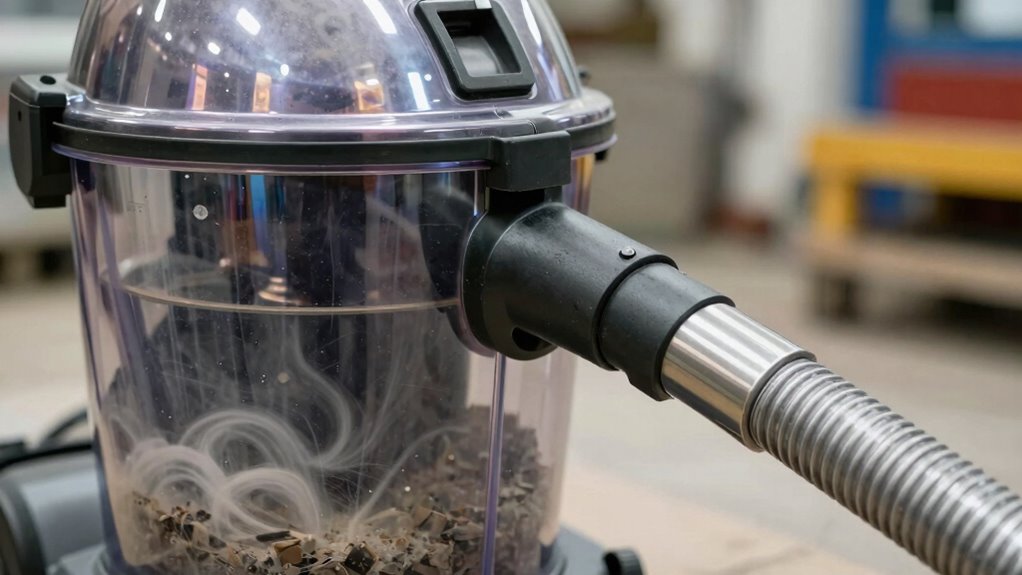
When choosing a shop vacuum, understanding the difference between flow and sealed suction is essential for getting the best performance. These two factors directly influence how well your vacuum can handle dust containment, power efficiency, and overall cleaning effectiveness. Flow refers to the volume of air the vacuum moves through the system per minute, which determines how quickly debris and dust are pulled into the tank. Sealed suction, on the other hand, measures the vacuum’s ability to create a tight seal around the nozzle or hose, impacting its capacity to pick up stubborn debris and maintain consistent power. Recognizing how these two aspects work together helps you select a machine that meets your specific needs.
Understanding flow and sealed suction helps you choose the right shop vacuum for optimal cleaning and efficiency.
If dust containment is your top priority, then understanding these differences is vital. High flow rates are excellent for moving large quantities of debris rapidly, but if the sealed suction isn’t strong enough, dust can escape or settle before it reaches the tank. Conversely, a powerful sealed suction ensures that even fine dust particles are effectively contained and removed, reducing airborne dust and improving air quality in your workspace. When shopping, look for a vacuum with a balanced combination—high enough flow to clear large debris and strong sealed suction to trap fine dust particles, especially if you work in environments with lots of fine dust or allergens. Sealed suction strength can also be a key factor in determining overall dust containment effectiveness. Additionally, some models feature adjustable settings that allow you to optimize performance based on your specific tasks, enhancing both efficiency and dust control. Proper understanding of vacuum performance metrics helps in choosing a machine that delivers the right balance for your needs. Furthermore, considering the design of the vacuum can influence how well these features work together in real-world applications.
Power efficiency also hinges on the interplay between flow and sealed suction. A vacuum with high flow but poor sealed suction might consume more power while struggling to pick up dirt effectively. On the other hand, a model with excellent sealed suction can operate more efficiently because it doesn’t waste energy trying to compensate for leaks or weak seals. This means less strain on the motor and longer-lasting performance, saving you money in the long run. It’s worth noting that some vacuums are designed with adjustable settings to optimize both flow and sealed suction based on the task at hand, giving you greater control over power consumption and dust containment. Additionally, understanding the performance metrics of a vacuum can help you assess how well it balances these two factors before making a purchase. This knowledge ensures you select a model that delivers consistent results and energy savings over time.
Ultimately, what you’re really buying when considering flow versus sealed suction is a tool that aligns with your work environment. If you need rapid debris removal, prioritize flow. If dust containment and power efficiency are more critical, focus on sealed suction capabilities. The best shop vacuums strike a balance between the two, ensuring you get maximum performance with minimal energy waste. Understanding these distinctions helps you make smarter buying choices—so you end up with a machine that’s tailored to your needs, more effective, and more economical to operate.
As an affiliate, we earn on qualifying purchases.
Frequently Asked Questions
How Does Vacuum Flow Affect Cleaning Performance?
Vacuum flow directly impacts your cleaning performance by affecting airflow efficiency and motor power. When airflow is strong, debris gets sucked up more effectively, making cleaning faster and easier. A powerful motor boosts this airflow, ensuring your vacuum can handle tough dirt and larger particles. If the flow isn’t optimized, you’ll notice reduced suction, making it harder to clean thoroughly. So, a good balance of airflow efficiency and motor power is key.
Can Sealed Suction Be Improved With Different Attachments?
You can boost sealed suction with different attachments, as they often enhance attachment versatility and suction power. Switching to tools designed for tight spots or heavy debris helps you get more out of your vacuum. Remember, a clever change can be the key to better cleaning—it’s not always about the machine but how you use it. So, experimenting with attachments can turn a good vacuum into a great one.
Is Higher Flow Always Better for All Surfaces?
Higher flow isn’t always better for all surfaces. It works well on large, flat surfaces like concrete or garage floors, but for delicate surfaces like upholstery or electronics, a lower flow and sealed suction help avoid damage. Consider surface compatibility and noise levels; higher flow can be louder and more aggressive, so choose a vacuum setting that balances power with care. Adjustments and attachments can help optimize performance for different surfaces.
How Do Different Vacuum Types Compare in Flow and Sealed Suction?
Think of vacuum types like different musical instruments—each has its unique sound. Canister vacuums often have higher flow, making them great for quick cleanups, but they might produce more noise. Uprights excel in sealed suction, ideal for deep cleaning carpets. When comparing, consider air filtration and noise levels; a powerful vacuum isn’t helpful if it’s too loud or filters poorly. Choose based on your specific cleaning needs.
What Maintenance Practices Optimize Vacuum Flow and Suction?
To keep your vacuum’s flow and sealed suction optimized, regularly clean or replace filters to prevent blockages. Check hose integrity for cracks or leaks, ensuring airtight seals. Clear clogs in the hose and filter housing to maintain strong airflow. Regular maintenance like tightening connections and inspecting seals also prevents loss of suction. These practices keep your vacuum performing at its best, saving you time and effort during cleaning tasks.
As an affiliate, we earn on qualifying purchases.
Conclusion
So, next time you’re tempted by those flashy shop vac specs, remember: flow and sealed suction are like the fine wine and cheap beer of vacuum terms. One promises a lively buzz; the other, a refined, airtight grip. Don’t be duped by the jargon. Choose wisely, or you might end up with a vacuum that’s all talk and no suck—perfect for impressing friends, but lousy for cleaning. Cheers to smarter shopping!
As an affiliate, we earn on qualifying purchases.
As an affiliate, we earn on qualifying purchases.