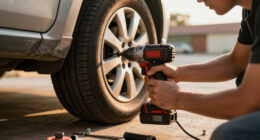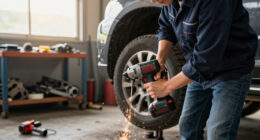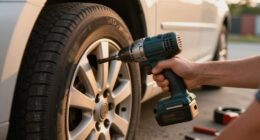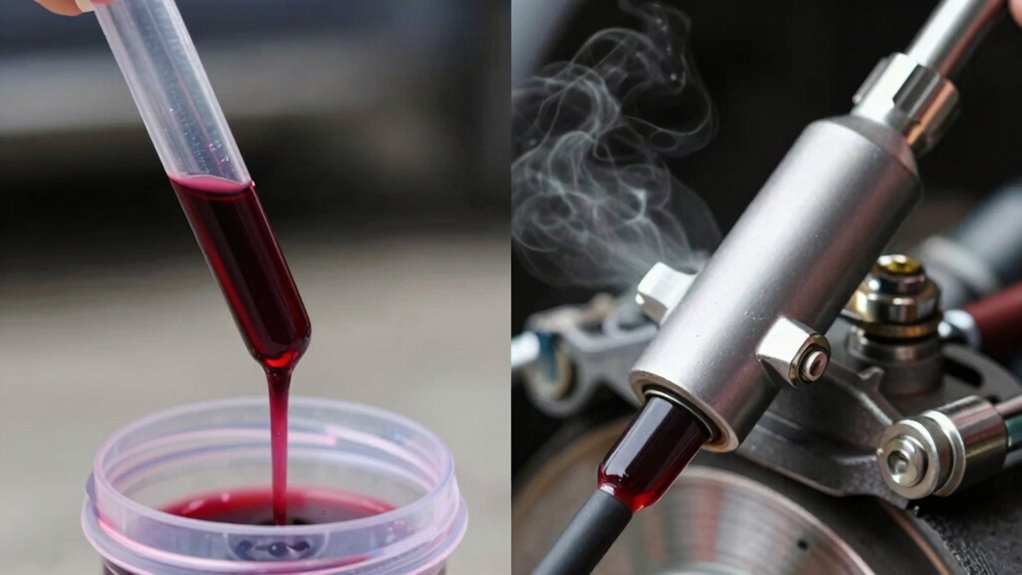
When choosing between pressure and vacuum bleeding, you’ll notice that pressure bleeding clears air faster and is more thorough, especially in complex brake systems. It applies consistent pressure to force air out quickly, making it ideal for professional use. Vacuum bleeding, on the other hand, pulls air out gently and is better for less complex jobs or DIY projects. Both methods change results based on system complexity and your goals—stick around to learn more about how each technique influences outcomes.
Open a free Amazon Business account
Business pricing, bulk buying and tax-exempt orders.
As an affiliate, we earn on qualifying purchases.
Key Takeaways
- Pressure bleeding removes air faster and more thoroughly, ideal for complex brake systems.
- Vacuum bleeding offers gentler, controlled operation, suitable for delicate or contaminated systems.
- Pressure bleeding requires more equipment and regulation, while vacuum bleeding is simpler and more accessible.
- Results from pressure bleeding tend to be quicker and more complete; vacuum bleeding may take longer but reduces risk.
- Both methods depend on fluid dynamics; pressure bleeding applies consistent force, vacuum creates a pressure differential.
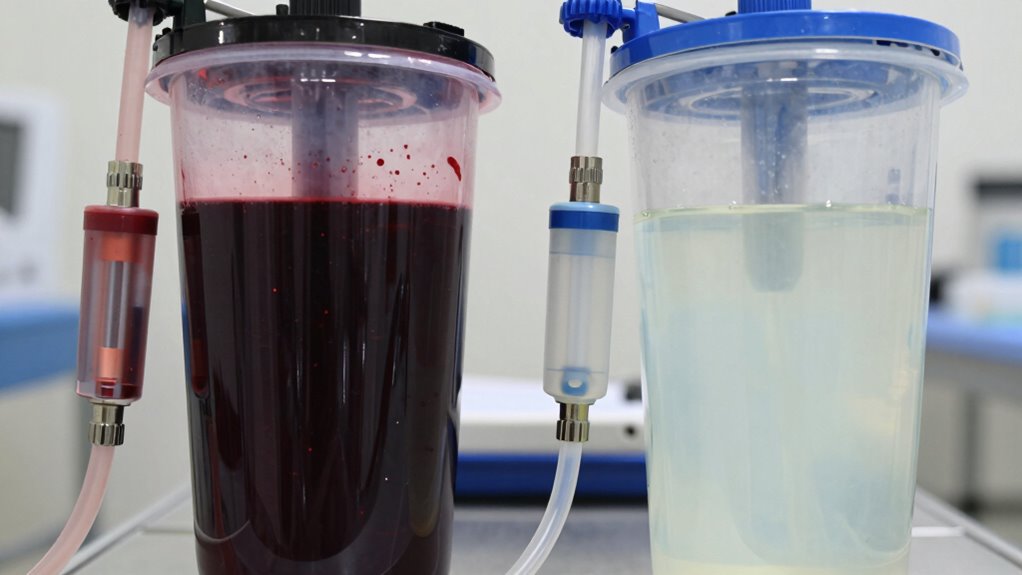
When it comes to bleeding brakes, understanding the differences between pressure bleeding and vacuum bleeding can help you choose the appropriate method for your vehicle. Both techniques aim to remove air from your brake lines to restore proper pedal feel and braking performance, but they do so through different approaches rooted in bleeding techniques and fluid dynamics. Knowing how each method works will help you decide which one is best suited for your situation, whether you’re a DIY enthusiast or a professional mechanic.
Pressure bleeding involves applying compressed air or a pressurized fluid source to the brake fluid reservoir. This pressure pushes brake fluid through the lines while forcing air bubbles out. The key advantage here is speed—pressure bleeding can quickly expel air, especially in systems with complex or long brake lines. It relies heavily on fluid dynamics principles, where applying a consistent pressure ensures a steady flow of fluid and helps dislodge trapped air. Pressure bleeding is often preferred in professional settings, where efficiency and thoroughness matter, and equipment like pressure bleeders simplifies the process. Additionally, pressure regulation is essential to prevent over-pressurizing the system, which could cause damage or leaks. Proper system calibration is also critical to achieving optimal results and avoiding damage to sensitive components.
Pressure bleeding uses pressurized fluid or air to quickly remove air bubbles from brake lines.
Vacuum bleeding, on the other hand, uses a vacuum pump to create negative pressure at the brake caliper or wheel cylinder. This suction pulls brake fluid from the master cylinder through the lines, drawing air bubbles out as it goes. Vacuum bleeding is generally gentler and easier to control, making it ideal for DIYers or situations where you want to minimize the risk of introducing more air or contaminating the system. From a fluid dynamics perspective, vacuum bleeding relies on creating a pressure differential that encourages fluid movement without forcing air in the opposite direction. It’s especially useful for bleeding brakes on vehicles with ABS or other complex systems, where gentle handling reduces the risk of damaging sensitive components. The pressure differential created is critical in understanding how efficiently air is removed during the process. Furthermore, vacuum bleeding often requires less equipment and setup, making it more accessible for non-professionals. This method is also beneficial in situations where the brake fluid system is difficult to access or when the existing brake fluid is contaminated or old.
As an affiliate, we earn on qualifying purchases.
Frequently Asked Questions
Which Bleeding Method Is Faster for Professional Brake Servicing?
You’ll find that pressure bleeding is faster for professional brake servicing because it pushes brake fluid through the system quickly, reducing contamination risks. It also requires durable bleeding equipment to handle higher pressures safely. Vacuum bleeding takes longer but is gentler on the components. Overall, pressure bleeding accelerates the process, making it ideal for quick, efficient brake maintenance, especially when you need to minimize downtime and guarantee clean, reliable brake fluid.
Can Pressure Bleeding Damage Brake Components?
Pressure bleeding can potentially damage brake components if not done carefully, especially if there’s brake fluid contamination or excessive pressure applied. Too much force might cause internal damage or accelerate component wear. To avoid issues, guarantee the system is clean, use proper pressure levels, and monitor for leaks. Proper technique minimizes risks, preserving brake system integrity and preventing costly repairs caused by damage from improper pressure application.
Is Vacuum Bleeding Suitable for All Vehicle Types?
You might think vacuum bleeding suits all vehicles, but surprisingly, it’s not always the case. While it’s great for quick brake fluid absorption, some vehicles demand specific methods for best results. Vehicle compatibility varies, and using vacuum bleeding on incompatible models could lead to missed air pockets or damaged components. So, always check your manufacturer’s recommendations first—otherwise, you’re just playing a risky game of brake roulette.
How Do Ambient Temperatures Affect Each Bleeding Method?
Ambient temperatures greatly impact both bleeding methods. Higher temperatures decrease fluid viscosity, making bleeding easier and quicker, especially with vacuum bleeding. Conversely, colder temperatures increase fluid viscosity, which can slow down bleeding and make air removal more difficult. Pressure bleeding may require more force in cold weather, while vacuum bleeding’s efficiency drops as viscosity rises. Always consider the temperature impact on fluid behavior to optimize your bleeding process.
Are There Safety Concerns Unique to Pressure Bleeding?
Like steering a tightrope, pressure bleeding carries unique safety concerns. You should always follow safety precautions to prevent accidents, as high-pressure fluid can cause injuries or damage components. Additionally, contamination risks increase if the system isn’t properly sealed or maintained. Always wear protective gear and guarantee equipment is clean. Proper training minimizes hazards, making pressure bleeding safer and more effective, as long as you stay vigilant and cautious throughout the process.
As an affiliate, we earn on qualifying purchases.
Conclusion
So, which method wins? Pressure bleeding or vacuum bleeding? The answer isn’t as simple as you might think. Each has its quirks, its moments of precision and chaos. But here’s the twist—you’ll need to decide based on your situation and what you value most. One might seem faster, but the other could deliver cleaner results. Ready to test them out yourself? The choice is yours—just remember, the real story begins once you take that first turn of the wrench.
brake fluid bleeding kit for cars
As an affiliate, we earn on qualifying purchases.
As an affiliate, we earn on qualifying purchases.
professional brake bleeding tools
As an affiliate, we earn on qualifying purchases.
As an affiliate, we earn on qualifying purchases.
Flea & tick season Picks
flea and tick prevention
As an affiliate, we earn on qualifying purchases.