Maintaining the right trail tire pressure boosts your speed while protecting your sidewalls. When you inflate tires too much, they bounce over obstacles and risk sidewall damage. Too little pressure, and you lose control and risk flats. Adjusting pressure based on terrain—higher on smooth trails and lower on rocky or muddy ones—improves grip and shock absorption. If you want to learn how to find the perfect pressure for your ride, keep exploring these tips.

Get business pricing on garage and car supplies
- Business-only prices and quantity discounts
- Tax-exempt purchasing
- Multiple users, one account, clear invoices
Key Takeaways
- Maintaining proper tire pressure prevents sidewall damage caused by overinflation during high-speed trail riding.
- Adjusting pressure based on trail conditions ensures optimal grip and reduces the risk of pinch flats.
- Lowering tire pressure on rough terrain improves shock absorption and protects sidewalls from impact.
- Regularly checking and adjusting pressure extends tire lifespan and minimizes punctures.
- Following the “speed rule” helps balance traction, safety, and sidewall preservation during fast trail rides.
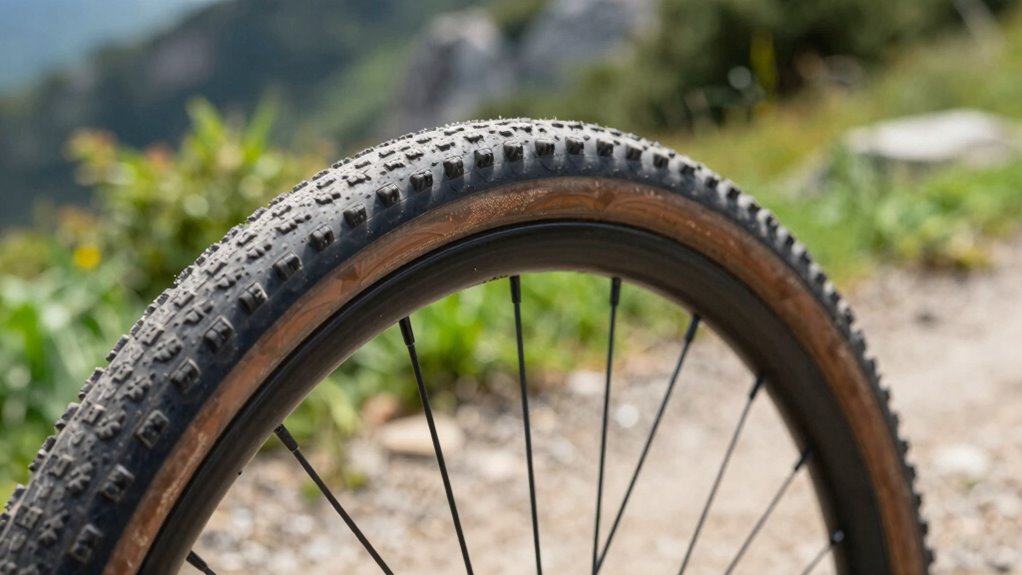
Ever wondered how the right tire pressure can transform your trail riding experience? When you’re mountain biking on rugged, unpredictable terrain, tire pressure isn’t just about comfort — it’s about control, safety, and performance. Finding that perfect balance can dramatically improve your off-road stability, making your ride smoother and more confident. Too much air, and your tires become stiff, reducing grip and increasing the risk of punctures or sidewall damage. Too little, and you risk pinch flats, sluggish handling, and excessive tire roll, which can sap your speed and energy. Striking the right tire pressure means understanding your bike, your terrain, and your riding style.
Perfect tire pressure boosts control, safety, and confidence on rugged trails. Find your balance for a smoother ride.
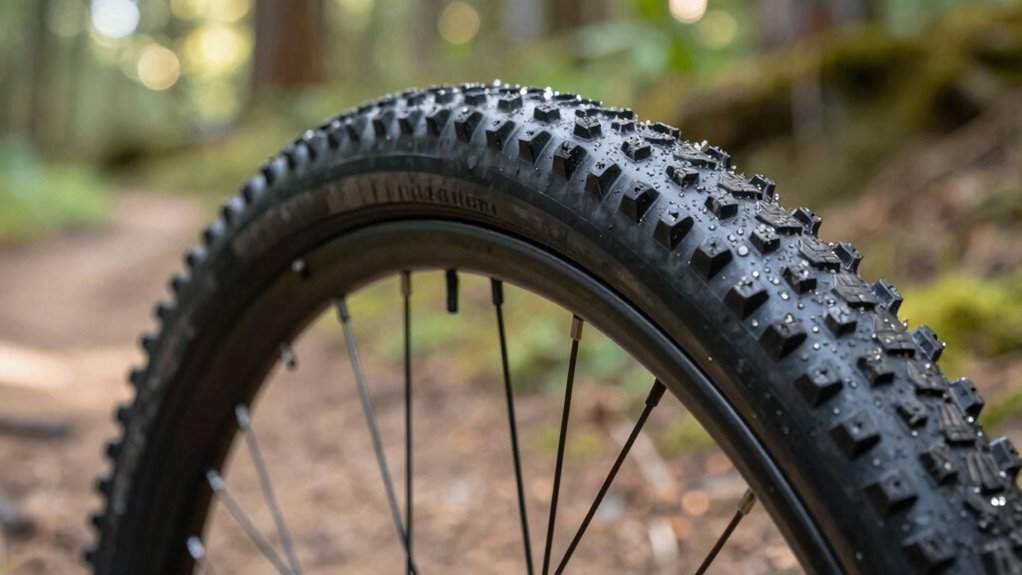
Maintaining proper trail tire pressure is a speed rule that directly impacts how well your tires absorb shocks and maintain traction. When your tires are ideally inflated, they conform better to uneven surfaces, giving you more grip on loose gravel, roots, and rocks. This enhanced grip translates to improved off-road stability, allowing you to carve through challenging sections with confidence. Conversely, overinflated tires tend to bounce over obstacles rather than absorbing them, which can lead to a jarring ride and decreased control. Underinflated tires, while offering more traction, can feel sluggish and prone to sidewall cuts, especially on sharp rocks and rough trail debris. Regularly checking your tire pressure helps prevent damage and ensures optimal performance. Additionally, understanding the importance of proper inflation can help you avoid common trail mishaps and improve your overall riding efficiency. Recognizing how tire pressure influence your ride can make all the difference in tackling difficult terrain effectively. Proper tire maintenance is essential for maintaining your bike’s longevity and ensuring a safe ride. Being mindful of trail conditions and adjusting your pressure accordingly can further optimize your ride quality.
Adjusting your tire pressure according to trail conditions is vital. On smoother, less technical paths, slightly higher pressure can help you roll faster and save energy. On technical, rocky, or muddy terrain, lowering the pressure increases the contact patch, giving you better grip and shock absorption. Remember, the ideal pressure varies based on rider weight, tire volume, and bike type, so it’s worth experimenting to find your sweet spot. Always check your tire pressure before each ride, and consider carrying a portable pump or CO2 inflator to make quick adjustments on the trail. This proactive approach keeps you prepared for changing conditions and guarantees your tires are always tuned for maximum off-road stability.
In the end, mastering trail tire pressure isn’t just about speed; it’s about safety, efficiency, and enjoyment. It’s a simple yet powerful way to extend your mountain biking capabilities, protect your sidewalls, and get the most out of every ride. When you pay attention to your tire pressure, you’re not just riding — you’re riding smarter, smoother, and faster, with less risk of flats or damage. Keep your tires properly inflated, adapt to the trail, and watch how your mountain biking experience transforms into a more controlled, exhilarating adventure.
mountain bike tire pressure gauge
As an affiliate, we earn on qualifying purchases.
As an affiliate, we earn on qualifying purchases.
Frequently Asked Questions
How Often Should I Check My Trail Tire Pressure?
You should check your trail tire pressure before every ride to prevent uneven tire wear and guarantee peak performance. Use a reliable pressure gauge to get accurate readings, and adjust the pressure as needed. Regular checks help you catch any leaks or pressure drops early, keeping your tires in top shape. Staying consistent with these checks makes your ride safer and extends the lifespan of your tires.
Can Overinflation Improve Trail Riding Performance?
Overinflation is like tightening a tightrope; it might seem to boost performance, but it risks losing balance. When you overinflate, your tire bead becomes stiff, reducing contact with the trail and pressure stability. This can improve speed on smooth surfaces but makes your ride harsher and more prone to damage on rough terrain. Keep your tire pressure optimized to maintain grip, comfort, and sidewall protection for safer, better trail riding.
What Are Signs of Underinflated Trail Tires?
You’ll notice signs of underinflated trail tires through sidewall bulges, indicating the tire’s losing shape under pressure. The tire bead may not seat properly, causing it to slip or feel less stable. You might also hear unusual flexing or feel a softer ride. Always check for these signs before riding, as riding on underinflated tires can damage the sidewall and compromise your safety on the trail.
Does Tire Pressure Affect Traction on Rocky Trails?
Yes, tire pressure greatly affects traction on rocky trails. Lower pressure improves tire footprint, enhancing tire pressure stability and trail grip, allowing better absorption of rugged terrain. However, too low can cause tire instability, risking sidewall damage. Ideal pressure balances these factors, boosting trail grip enhancement while maintaining stability. You should regularly adjust your tire pressure based on trail conditions to guarantee maximum traction and safety during your ride.
How Does Temperature Change Impact Trail Tire Pressure?
Temperature changes directly impact your trail tire pressure because tire temperature affects pressure consistency. When it gets hotter, your tires heat up, increasing pressure and risking sidewall damage. Conversely, cooler temperatures lower tire pressure, reducing traction and risking pinch flats. Always check your tire pressure before and after rides, especially in fluctuating temperatures, to keep your tires at ideal pressure and maintain consistent performance on rocky trails.
As an affiliate, we earn on qualifying purchases.
Conclusion
Keeping your trail tire pressure just right isn’t rocket science, but it’s the secret to riding smoother and avoiding sidewall damage. When you pay attention to your tire’s needs, you’re playing your cards right, ensuring a safer, more enjoyable ride. Remember, a little tweak can go a long way—don’t let small issues snowball into big problems. Stay vigilant, and you’ll be able to hit the trail with confidence, knowing you’re prepared for whatever comes your way.
As an affiliate, we earn on qualifying purchases.
As an affiliate, we earn on qualifying purchases.
Fall Picks
fall essentials
As an affiliate, we earn on qualifying purchases.