TL;DR

Get business pricing on garage and car supplies
- Business-only prices and quantity discounts
- Tax-exempt purchasing
- Multiple users, one account, clear invoices
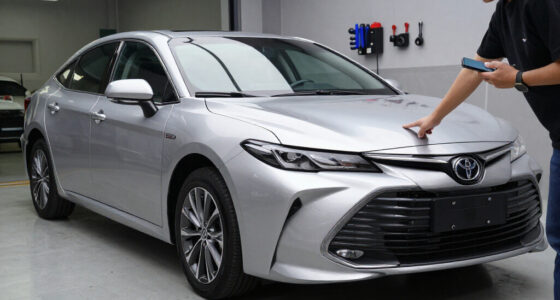
Toyota is reportedly working on extended-range electric vehicles (EREVs), according to industry sources. This move could diversify Toyota’s electrification lineup, but official confirmation is pending. The development signals a potential shift in hybrid EV strategies amid rising interest in extended-range tech.
Reports indicate that Toyota is planning to enter the extended-range electric vehicle (EREV) market, a move that could expand its electrification offerings. While Toyota has not officially confirmed this development, industry sources suggest the automaker is actively working on EREV prototypes, signaling a potential shift in its hybrid and electric vehicle strategy. This news matters because it could position Toyota as a more direct competitor to other automakers investing heavily in extended-range electric vehicles and plug-in hybrid technologies.
According to industry sources, Toyota is developing EREVs, which combine a traditional internal combustion engine with an electric drivetrain that offers a significantly extended electric-only range compared to conventional hybrids. The reports do not specify which models or markets will be targeted initially, but the development aligns with Toyota’s broader push toward electrification amid global regulatory pressures and consumer demand for longer-range EV options.
While Toyota has been a leader in hybrid technology with models like the Prius, it has been more cautious in fully embracing plug-in hybrids and extended-range EVs. The company’s current lineup includes plug-in hybrids such as the Prius Prime and RAV4 Prime, but these are not classified as EREVs. Industry insiders suggest Toyota’s move into EREVs could fill a gap between traditional hybrids and full EVs, offering consumers a longer electric driving range without the range anxiety associated with pure EVs.
Official statements from Toyota are absent, and the company has not announced any new models or timelines. The reports are based on patent filings, supplier leaks, and industry analyst interpretations, which indicate that Toyota’s engineering teams are exploring EREV technology, possibly in response to competitors like General Motors and Honda, who have already launched or announced EREV models.
Potential Impact on Toyota’s Electrification Strategy
If confirmed, Toyota’s entry into the EREV segment could significantly alter its approach to electrification. It would allow Toyota to offer a broader range of powertrain options, appealing to consumers seeking longer electric ranges without fully committing to battery-electric vehicles (BEVs). This could help Toyota stay competitive in markets where range anxiety remains a barrier to EV adoption. Additionally, it signals a potential shift from Toyota’s previous focus on hybrids toward more versatile plug-in and extended-range solutions, aligning with industry trends and regulatory pressures.
Toyota EREV extended-range electric vehicle
As an affiliate, we earn on qualifying purchases.
As an affiliate, we earn on qualifying purchases.
Toyota’s Hybrid and EV Development Timeline
Toyota has long been a pioneer in hybrid technology, with the Prius setting the standard since the late 1990s. In recent years, the company has expanded its electrified lineup to include plug-in hybrids like the Prius Prime and RAV4 Prime, but it has been relatively cautious in fully embracing all-electric vehicles. The industry’s shift toward longer-range EVs and stricter emissions standards have prompted Toyota to accelerate its electrification plans, including investments in solid-state batteries and new EV platforms. The development of EREVs would represent a new chapter, providing a bridge technology that combines the benefits of hybrids and EVs.
Prior to these reports, Toyota reaffirmed its commitment to hybrid technology but offered limited details on future plug-in or extended-range models. The potential move into EREVs aligns with broader industry signals, as automakers seek to meet diverse consumer needs and regulatory requirements, particularly in Europe, North America, and China, where emissions standards are tightening.
plug-in hybrid car with long electric range
As an affiliate, we earn on qualifying purchases.
As an affiliate, we earn on qualifying purchases.
Unconfirmed Details and Development Timeline
Official confirmation from Toyota is lacking, and details about which models, markets, or timelines are still unclear. It is not yet known whether Toyota’s EREV development will lead to production models within the next year or if it remains in early prototype stages. The scope of the project and how it fits into Toyota’s overall global strategy also remain unconfirmed.
extended-range electric vehicle accessories
As an affiliate, we earn on qualifying purchases.
As an affiliate, we earn on qualifying purchases.
Next Steps and Industry Watchpoints
Toyota is expected to provide more details in the coming months, possibly at upcoming auto shows or through official press releases. Industry analysts will closely monitor patent filings, supplier disclosures, and patent applications for further clues. The timing of any official model launches remains uncertain, but the development indicates that Toyota’s electrification plans are evolving to include more versatile options beyond traditional hybrids and full EVs.
Toyota Prius Prime replacement parts
As an affiliate, we earn on qualifying purchases.
As an affiliate, we earn on qualifying purchases.
Key Questions
What is an EREV, and how does it differ from a hybrid or EV?
An extended-range electric vehicle (EREV) combines an electric motor with a small internal combustion engine that acts as a generator, providing additional electric range beyond traditional hybrids. Unlike standard hybrids, which cannot be driven solely on electric power for long distances, EREVs aim to offer a substantial electric-only range, reducing fuel consumption and emissions.
Has Toyota officially announced EREV models?
No, Toyota has not officially announced or confirmed any EREV models. The reports are based on industry sources, patent filings, and leaks, and Toyota has yet to make a formal statement.
Why is Toyota exploring EREVs now?
Industry trends, regulatory pressures, and consumer demand for longer electric ranges are likely motivating Toyota’s exploration of EREV technology. EREVs could serve as a bridge technology, offering longer electric driving capabilities while maintaining the flexibility of an internal combustion engine.
When might we see Toyota EREV models on sale?
There is no confirmed timeline. Industry speculation suggests prototypes may be in early testing phases, with production models potentially launching within the next 1-3 years, depending on development progress and regulatory approvals.
How will EREVs impact Toyota’s overall lineup?
If successful, EREVs could expand Toyota’s electrified offerings, providing consumers with more options for longer-range, lower-emission vehicles, and helping the automaker meet stricter emissions standards globally.
Source: rss
Fall Picks
fall essentials
As an affiliate, we earn on qualifying purchases.