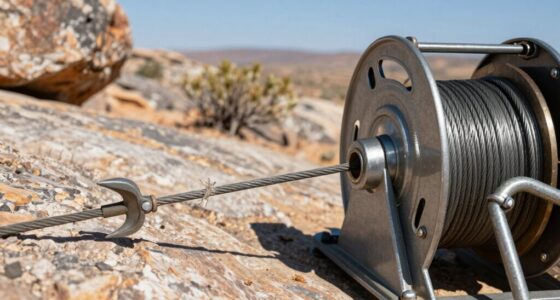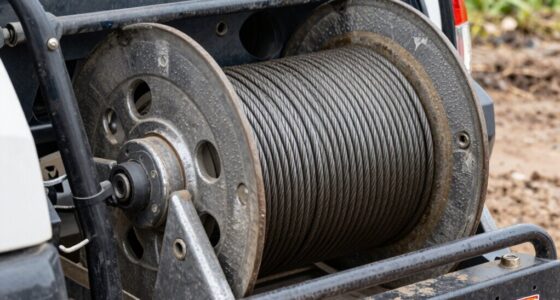
When handling steel cables, always wear gloves to protect your hands from burrs, fraying, and sharp edges that can cause injuries. Inspect cables regularly for signs of wear or corrosion, and avoid handling damaged sections. Follow safe handling rules to prevent accidents and extend the cable’s lifespan. Proper techniques include avoiding sudden pulls and ensuring correct rigging. Keeping safety in mind helps prevent mishaps—if you keep exploring, you’ll discover more essential tips for safe cable management.

Get business pricing on garage and car supplies
- Business-only prices and quantity discounts
- Tax-exempt purchasing
- Multiple users, one account, clear invoices
Key Takeaways
- Wear cut-resistant gloves to protect hands from burrs and sharp edges during handling and inspection.
- Inspect cables for burrs and damage before use to prevent injuries and equipment failures.
- Follow proper handling techniques, avoiding excessive tension or bending that can cause burr formation.
- Use appropriate tools for cutting and splicing cables to minimize burr creation and ensure safety.
- Regularly remove burrs with proper tools to prevent snagging, fraying, and potential safety hazards.
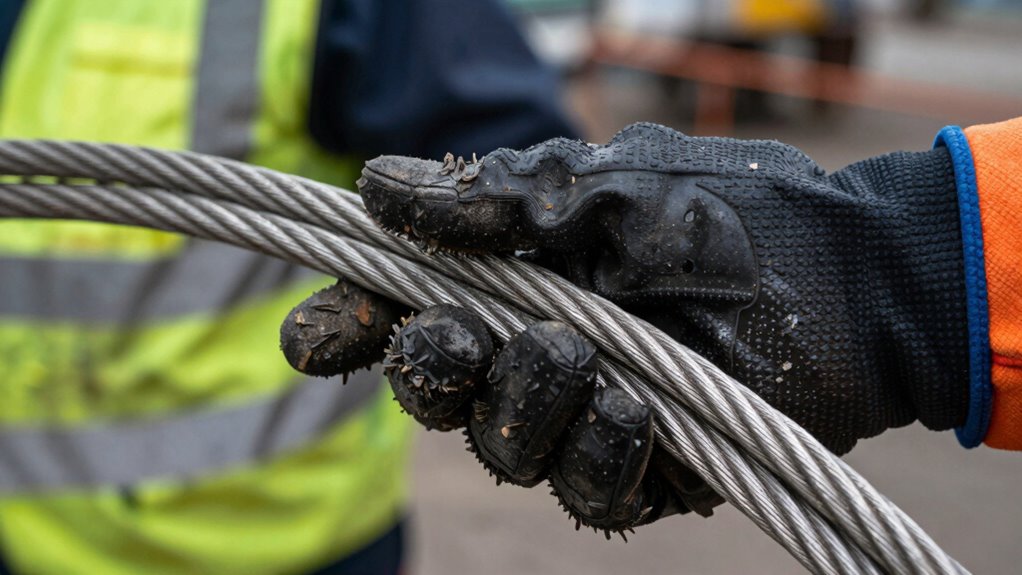
Have you ever considered how essential steel cable safety is in preventing accidents and injuries? It’s not just about avoiding mishaps—properly maintaining and inspecting your cables ensures they perform reliably under stress. Regular cable inspection is a critical step in safety, allowing you to spot signs of wear like fraying, corrosion, or broken strands before they become dangerous. When you routinely check your cables, you catch problems early, reducing the risk of sudden failures that could cause serious injuries or equipment damage. This proactive approach is a key component of preventive maintenance, which helps extend the lifespan of your cables and equipment. Neglecting inspection can lead to unnoticed damage, increasing the chances of cable failure during operation. By making inspection a regular habit, you stay ahead of potential hazards. Additionally, understanding cable wear signs can help you identify issues before they escalate into safety risks. Recognizing the importance of safe handling practices can significantly improve overall safety and durability of your cables. It’s also important to be aware of correct handling techniques to ensure safety and prolong the lifespan of your cables.
heavy-duty cut-resistant gloves for steel cable handling
As an affiliate, we earn on qualifying purchases.
As an affiliate, we earn on qualifying purchases.
Frequently Asked Questions
How Often Should Steel Cables Be Inspected for Safety?
You should inspect steel cables at least once a month for safety, but more frequent checks are necessary if the cable faces harsh conditions or heavy use. Regular inspection frequency helps you identify early signs of damage, such as burrs or corrosion, which aids in damage prevention. By staying vigilant and inspecting often, you guarantee the cable remains safe and reliable, minimizing risks of failure or accidents during operation.
Are There Specific Glove Types Recommended for Steel Cable Handling?
You should wear heavy-duty, cut-resistant gloves when handling steel cables. Look for glove material considerations like Kevlar, Dyneema, or leather, which offer durability and protection. Protective glove features such as reinforced palms, extended cuffs, and seamless design help prevent cuts, punctures, and abrasions. These gloves create a barrier, bolster your grip, and keep your hands safe from sharp edges and burrs, ensuring safer, more confident handling.
What Are Common Signs of Cable Wear or Damage?
You should look for signs like insulation degradation, which shows the protective coating is wearing down, and corrosion signs, such as rust or discoloration, indicating rust or oxidation. Also, check for frayed wires or broken strands, which compromise the cable’s strength. These indicators mean the cable may fail under load, so inspecting regularly helps prevent accidents and guarantees safe operation. Always replace damaged cables promptly.
How Should Steel Cables Be Stored to Prevent Damage?
Did you know that improper storage can lead to 60% of cable failures? To prevent damage, store steel cables in a dry, cool environment, maintaining a consistent storage temperature to avoid cable corrosion. Keep cables off the ground and away from moisture, chemicals, and extreme temperatures. Properly coiling and securing cables also prevents kinks and mechanical damage, ensuring longevity and safe operation when you need them.
Are There Legal Regulations for Steel Cable Safety Standards?
Yes, there are legal regulations for steel cable safety standards. You need to guarantee legal compliance by following industry-specific safety certifications, which vary by region and application. These regulations help prevent accidents and injuries, guiding proper handling, inspection, and storage procedures. Staying updated with current safety standards is essential for legal and safe operation, so regularly consult local, national, and international safety guidelines to meet all regulatory requirements.
inspection tools for steel cable wear and damage
As an affiliate, we earn on qualifying purchases.
As an affiliate, we earn on qualifying purchases.
Conclusion
Remember, handling steel cables is like walking a tightrope—you need focus, respect, and safety measures. I once saw a worker carefully inspect a cable, avoiding burrs and wearing gloves, much like a tightrope walker checks their harness. That attention to safety prevents accidents, just as a tightrope walker’s careful steps prevent falls. Keep your safety gear on, stay alert, and treat every cable with respect—because a small oversight can lead to a big fall.
burr removal tools for steel cables
As an affiliate, we earn on qualifying purchases.
As an affiliate, we earn on qualifying purchases.
steel cable splicing and cutting tools
As an affiliate, we earn on qualifying purchases.
As an affiliate, we earn on qualifying purchases.
Halloween Picks
halloween
As an affiliate, we earn on qualifying purchases.