
To pull smarter with a snatch block, make sure you select one with the right capacity for your load and inspect it for damage before use. Set it up correctly by securing the rope properly and attaching it to a strong anchor point. During operation, pull gradually and keep clear of moving parts. Regular maintenance and following safety tips help prevent accidents and make your pulls easier. Stay tuned to learn more tips that can boost your efficiency and safety even further.

Get business pricing on garage and car supplies
- Business-only prices and quantity discounts
- Tax-exempt purchasing
- Multiple users, one account, clear invoices
Key Takeaways
- Choose the correct snatch block matching load capacity to prevent overloads and ensure safe operation.
- Properly set up and rig the snatch block to secure the load and maintain efficiency.
- Use gradual, steady pulls to avoid jerking and reduce stress on equipment.
- Regularly inspect and maintain the snatch block for wear, corrosion, or damage before use.
- Prioritize safety by clear communication, protective gear, and avoiding standing under lifted loads.
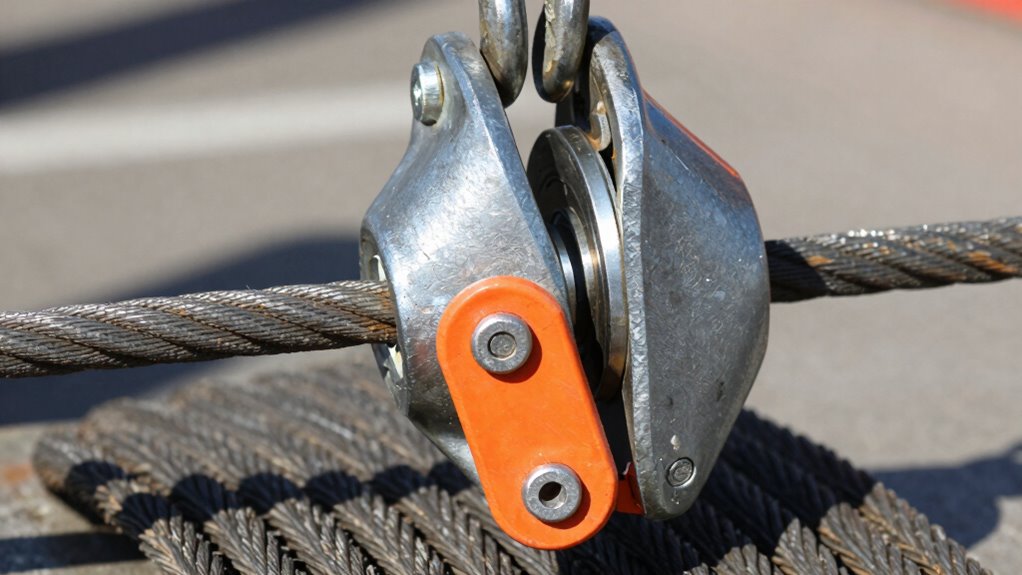
If you’ve ever needed to lift or pull heavy loads safely and efficiently, you’ve likely encountered snatch blocks. These versatile tools can notably improve your lifting capacity by redirecting the cable or rope’s direction, making challenging tasks easier and safer. When used correctly, snatch blocks allow you to double your pulling power without requiring additional equipment, saving you time and effort. However, understanding their proper application is essential to maximize their benefits and prevent accidents.
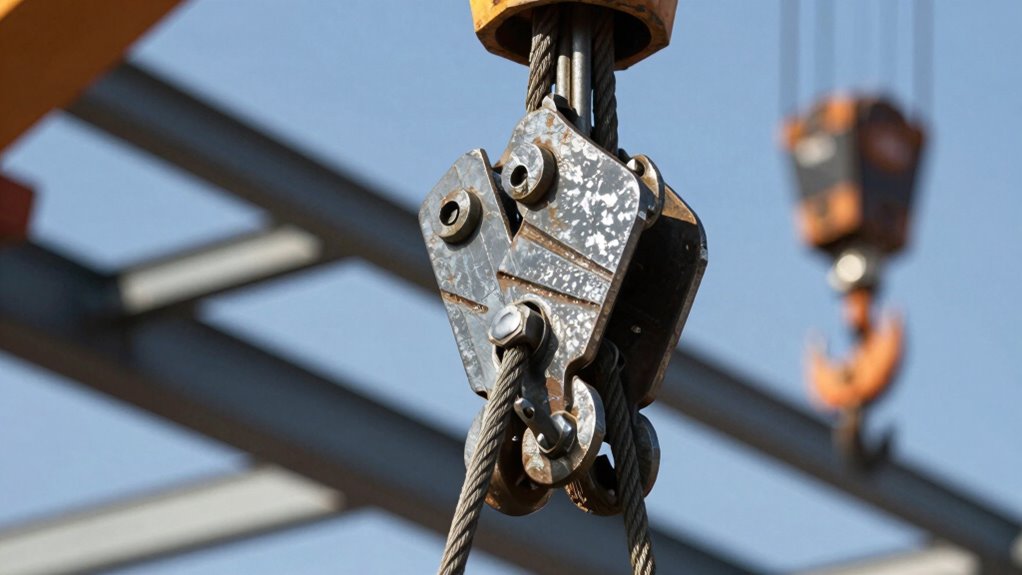
Your first priority should be selecting a snatch block that matches your load requirements. Check its rated lifting capacity to verify it can handle the maximum weight you’ll be working with. Never exceed the manufacturer’s specified capacity, as doing so can lead to cable failure or equipment damage. Always inspect the snatch block before use for any signs of wear, corrosion, or damage. A compromised block can endanger safety and reduce its lifting capacity, putting you at risk during operation. Proper maintenance procedures are crucial to ensure longevity and safe operation of your equipment. Additionally, understanding the load capacity and how it relates to your specific tasks can help prevent overloading and potential accidents. Regularly reviewing the manufacturer’s instructions can also help ensure proper usage and safety practices.
Always select a snatch block that matches your load capacity and inspect it thoroughly before use for safety.
When rigging the snatch block, always follow safety precautions. Make sure the rope or cable is properly seated in the sheaves, and that the latch or safety pin is securely in place. Never operate a snatch block with the latch open or missing, as the cable could slip out during a pull, leading to dangerous accidents. Additionally, ensure the anchor points and attachment points are strong enough to handle the load. Using improper or weak anchor points can cause failures that might result in injury or property damage.
Using a snatch block also involves understanding the load path. Keep your hands, clothing, and body clear of moving parts, especially the sheaves, during operation. Always communicate clearly with team members to coordinate pulls, and never stand directly under a load being lifted or pulled. Proper safety precautions include wearing gloves, eye protection, and sturdy footwear to prevent injuries. It’s also important to familiarize yourself with the correct setup and maintenance procedures to ensure optimal performance and safety. Proper training on the equipment can further enhance safety and efficiency during lifting operations.
When pulling, do so gradually and steadily—avoid jerking or sudden movements that could overload the equipment or cause the load to shift unexpectedly. Regularly monitor the equipment during operation, and stop immediately if you notice any irregularities, such as unusual noises or vibrations. Properly maintained and correctly used snatch blocks can greatly enhance your efficiency, allowing you to handle heavier loads safely and with less effort. Remember, safety always comes first, and understanding the lifting capacity and adhering to safety precautions are key to pulling smarter, not harder.
heavy duty snatch block for lifting
As an affiliate, we earn on qualifying purchases.
As an affiliate, we earn on qualifying purchases.
Frequently Asked Questions
Can Snatch Blocks Be Used With All Types of Winches?
Snatch blocks can be used with most winches, but you need to check winch compatibility first. Not all winches work seamlessly with snatch blocks, especially if they have unique drum sizes or cable types. You should also consider block material options—steel or nylon—based on your application. Always make certain the snatch block’s rated capacity matches or exceeds your winch’s load to guarantee safe and effective use.
What Safety Precautions Should I Take When Using a Snatch Block?
Using a snatch block is like walking a tightrope—you must stay focused. Always wear personal protective equipment, including gloves and eye protection, to shield yourself from potential hazards. Follow proper handling techniques, ensuring the load is secure and the equipment is rated for the task. Never stand directly in line with the cable under tension, and double-check all connections before pulling. Safety first keeps your operation smooth and accident-free.
How Do I Determine the Maximum Load Capacity of a Snatch Block?
To determine the maximum load capacity of a snatch block, check the manufacturer’s specifications for its load capacity, which is based on material strength. Always consider the load capacity rating, ensuring it matches or exceeds your working load. Remember, the load capacity is influenced by factors like the material’s strength and design. Never use a snatch block beyond its rated limit to stay safe and avoid equipment failure.
Can Snatch Blocks Be Used for Lifting Heavy Loads Vertically?
Yes, you can use snatch blocks for vertical lifting, but you need to guarantee proper load stability and the block’s load capacity. When lifting loads vertically, position the snatch block correctly to prevent side loads that could cause failure. Always verify the block’s maximum load capacity and maintain a balanced, secure rigging setup to avoid accidents and ensure safe, effective vertical lifting.
How Often Should Snatch Blocks Be Inspected for Wear and Damage?
You should inspect your snatch blocks for wear and damage before each use, especially if used frequently or in harsh conditions. Regular wear inspections help identify cracks, corrosion, or deformation early, preventing accidents. Conduct a thorough damage assessment after heavy loads or impacts. Maintain a routine check schedule, and replace snatch blocks if you notice significant wear or damage, ensuring safe and efficient operations every time.
load capacity snatch block pulley
As an affiliate, we earn on qualifying purchases.
As an affiliate, we earn on qualifying purchases.
Conclusion
By now, you understand that using snatch blocks can make your pulling tasks safer and more efficient. Did you know that properly using snatch blocks can increase your pulling capacity by up to 50%? That’s a game-changer when tackling heavy loads. So, next time you’re planning a recovery or lifting job, remember: smarter use of snatch blocks isn’t just about saving effort, it’s about working safer and more effectively. Keep these tips in mind, and pull smarter, not harder!
winch snatch block with safety latch
As an affiliate, we earn on qualifying purchases.
As an affiliate, we earn on qualifying purchases.
industrial snatch block for towing
As an affiliate, we earn on qualifying purchases.
As an affiliate, we earn on qualifying purchases.
Halloween Picks
halloween
As an affiliate, we earn on qualifying purchases.