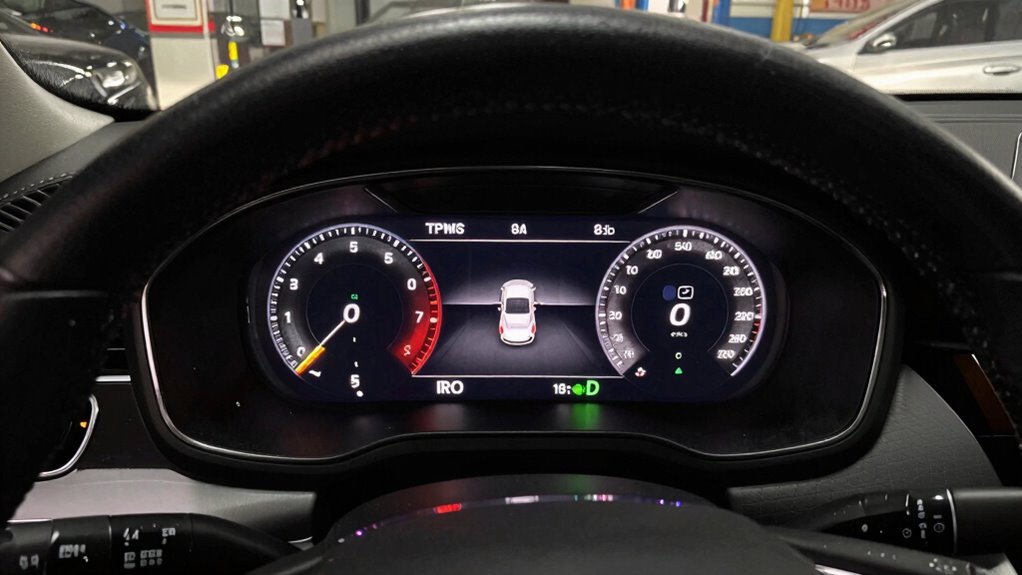

To set TPMS alerts that suit your real driving, start by ensuring your tires are inflated to the recommended pressure, and then calibrate the system following your vehicle’s specific procedures—usually found in the owner’s manual or through an onboard menu. Reset the sensors to sync with current pressure levels, and regularly check and update your system as needed. If you want to get the most accurate alerts possible, there’s more to it—keep exploring for details.
Listen free for 30 days with Audible
Thousands of audiobooks and originals — cancel anytime.
As an affiliate, we earn on qualifying purchases.
Key Takeaways
- Ensure tires are inflated to manufacturer-recommended pressures before calibration.
- Use the vehicle’s onboard menu or dedicated button to reset or calibrate the TPMS.
- Regularly check tire pressures and update the system to reflect current driving conditions.
- Follow vehicle-specific instructions from the owner’s manual for accurate TPMS setup.
- Keep software updated to improve sensor accuracy and alert relevance for real-world driving.
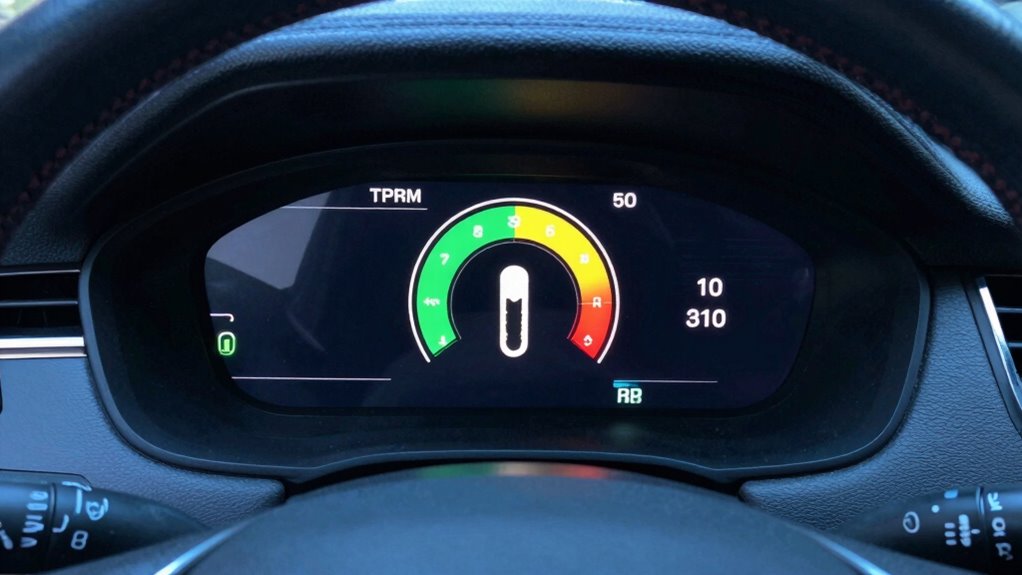
Have you ever wondered how to guarantee your vehicle’s TPMS alerts are properly set up? Making certain your Tire Pressure Monitoring System is functioning correctly is essential for safe driving and maintaining ideal fuel efficiency. The first step is understanding tire pressure calibration, which involves accurately setting the system to recognize the proper tire pressures for your vehicle. This process typically starts when you inflate your tires to the recommended pressure levels specified in your owner’s manual or on the placard inside the driver’s door. Once your tires are at the correct pressure, you need to initiate the sensor reset procedures to synchronize the system with the current tire conditions. Sensor reset procedures vary by vehicle make and model, but most modern cars allow you to perform a reset either through the vehicle’s onboard menu or with a dedicated reset button. Additionally, understanding tire pressure calibration ensures that your system recognizes the correct pressures and operates effectively. Proper calibration helps the system differentiate between normal tire pressure fluctuations and actual issues, enhancing safety. It’s also helpful to familiarize yourself with sensor reset procedures specific to your vehicle to streamline the process. Regularly checking tire pressure is crucial for maintaining accurate sensor readings and avoiding false alerts. To ensure your system responds accurately, it’s important to update your vehicle’s software if your manufacturer provides updates for improved TPMS functionality, which can be especially relevant for newer models.

Tymate TM7 RV Tire Pressure Monitoring System, TPMS Set of 4 Sensors
- Accurate Real-time Monitoring: Tire pressure and temperature alerts with six alarm modes
- Plug-in Power & USB Charging: Easy installation with dual USB ports for charging devices
- Color LCD Display: Clear, adjustable backlight for easy reading in all conditions
As an affiliate, we earn on qualifying purchases.
As an affiliate, we earn on qualifying purchases.
Frequently Asked Questions
Can TPMS Alerts Be Customized for Different Driving Conditions?
Yes, TPMS alerts can be customized for different driving conditions. You can adjust the alert thresholds based on your typical tire pressure needs, especially if you frequently switch between terrains. Proper sensor calibration ensures accurate readings, preventing false alerts or missed warnings. By tailoring tire pressure settings and calibrating sensors correctly, you guarantee your TPMS provides relevant alerts, keeping your driving safe regardless of conditions.
How Often Should TPMS Alert Settings Be Reviewed or Adjusted?
You should review and adjust your TPMS alert settings regularly, especially when tire pressure, driving conditions, or vehicle load change. Check your tire pressure monthly, calibrate alerts whenever you notice inconsistencies, and verify your system reflects current driving needs. By staying proactive with tire pressure management and alert calibration, you’ll maintain essential safety, improve fuel efficiency, and prolong tire life, making these reviews a crucial part of your vehicle maintenance routine.
Do All Vehicles Allow for Manual TPMS Alert Customization?
Not all vehicles allow for manual TPMS alert customization. Some models let you adjust alert thresholds through the vehicle’s menu, but others have fixed settings. To guarantee your TPMS functions correctly, you may need to perform sensor calibration if you change tires or notice inconsistent alerts. Always check your vehicle’s manual to see if manual adjustments are possible, and regularly review your alert settings to keep them aligned with your driving conditions.
What Are Common Causes of False TPMS Alerts?
False TPMS alerts often happen because of sensor calibration issues or tire pressure inaccuracies. Imagine a misaligned compass pointing you wrong; similarly, a poorly calibrated sensor reports false warnings. Harsh weather, rapid temperature changes, or even a small nail in a tire can cause pressure fluctuations that trigger alerts. Regularly checking tire pressure and ensuring sensor calibration helps maintain tire pressure accuracy, reducing false alarms and keeping your driving safe.
Can TPMS Alert Settings Be Reset After Tire Maintenance?
Yes, TPMS alert settings can be reset after tire maintenance. You’ll need to perform a tire pressure calibration to make certain the system reflects the new pressures accurately. Most vehicles require you to follow specific sensor reset procedures, which often involve turning on the ignition, pressing a reset button, or driving for a set distance. This process reinitializes the sensors and clears the previous alerts, ensuring your system functions properly with the updated tire data.
As an affiliate, we earn on qualifying purchases.
Conclusion
By setting your TPMS alerts accurately, you’re not just monitoring tire pressure—you’re safeguarding your journey and peace of mind. Imagine cruising down the highway, the world rushing past, and your system silently watching over your tires like a vigilant guardian. Without proper alerts, small issues could turn into roadside emergencies. So, take control now, and let your TPMS be the quiet protector that keeps every mile smooth, safe, and worry-free, just like a trusted co-pilot.
As an affiliate, we earn on qualifying purchases.
As an affiliate, we earn on qualifying purchases.
Labor Day sales Picks
labor day deals
As an affiliate, we earn on qualifying purchases.