Cheap clamps often fail because they have poorly machined contact surfaces, causing uneven pressure distribution. This reduces their grip strength and can damage your workpiece. Additionally, low-quality springs don’t maintain consistent tension, which leads to unreliable clamping force over time. As a result, the clamp may slip or weaken during demanding tasks. Understanding these issues can help you choose better options—keep going to discover how proper design and materials make all the difference.

Get garage and car supplies delivered free — and shop member deals
- Fast, free delivery on millions of items
- Access to Prime Big Deal Days deals on October 6–7
- Prime Video, Amazon Music and more included
Key Takeaways
- Poorly machined contact surfaces cause uneven pressure distribution, reducing grip strength and increasing failure risk.
- Low-quality springs lose tension quickly, leading to inconsistent clamping force over time.
- Insufficient contact area diminishes holding power and can damage workpieces.
- Inferior materials wear out or deform, affecting the clamp’s ability to maintain proper contact and pressure.
- Manufacturing flaws result in uneven force application, compromising clamp reliability and safety.
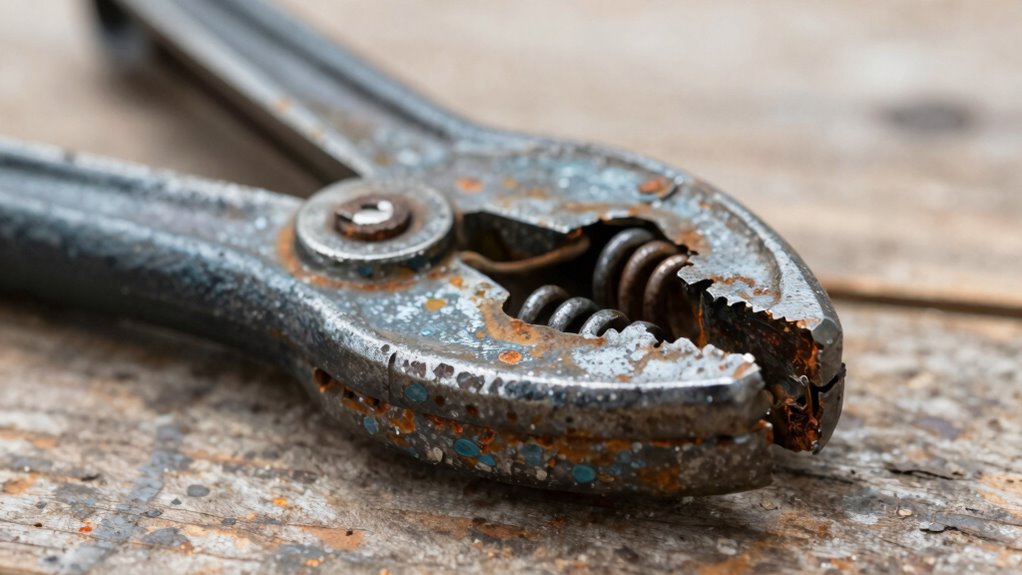
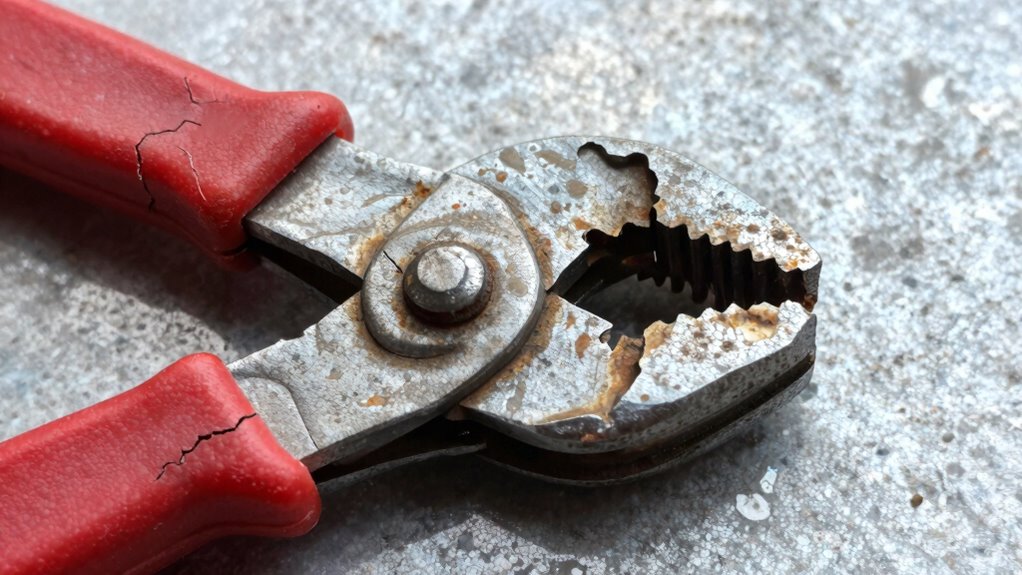
When it comes to clamping tasks, choosing cheap clamps might seem like a cost-effective solution, but they often fail when you need them most. The main issues with inexpensive clamps stem from their material durability and manufacturing quality. Cheaper clamps are usually made from inferior materials that can’t withstand the pressures of demanding projects. Over time, these materials wear out, crack, or deform, compromising the clamp’s ability to hold objects securely. This lack of durability means you’re likely to encounter slip-ups, especially under sustained or high-pressure use. Manufacturing quality also plays a significant role; low-cost clamps often lack precise construction, leading to uneven contact surfaces and inconsistent spring pressure. These deficiencies mean the clamp might not apply even force across the contact area, resulting in poor grip and increased risk of slipping or failure.
Cheap clamps often fail under pressure due to inferior materials and poor manufacturing quality.
The contact area between the clamp jaws and the workpiece is critical for holding power. Cheap clamps tend to have poorly machined or molded contact surfaces, which don’t sit flush or evenly distribute pressure. This uneven contact can cause the clamp to exert too much pressure on some spots and too little on others, weakening the hold and risking damage to the material. When the contact area isn’t optimized, the clamp’s effectiveness diminishes, especially during prolonged use. It’s not just about how much force the clamp applies but how that force is distributed. A high-quality clamp ensures maximum contact and even pressure, preventing slipping and protecting your workpiece. Conversely, a cheap clamp’s poor contact area often results in uneven force distribution, which can lead to misalignment or damage. Additionally, the contact surface quality directly influences the overall stability of the clamp, making it a crucial factor to consider. Proper manufacturing standards also impact the spring tension consistency, which is vital for maintaining reliable clamping force over time. Moreover, higher-quality clamps are often designed with better contact area design, ensuring superior grip and reducing the risk of slippage. Choosing clamps with a consistent manufacturing process is essential for achieving dependable performance in demanding projects. Ensuring that manufacturing processes adhere to strict standards can significantly improve the overall reliability of the clamp, especially under repeated use.
Spring pressure is another critical factor and is directly affected by manufacturing quality. Cheap clamps often have springs made from low-grade steel or poorly manufactured coil designs, which don’t provide consistent tension. As a result, the spring pressure varies, causing the clamp to either be too loose or too tight. This inconsistency can make your tasks unreliable, especially when precision is required. Over time, the springs in inexpensive clamps can weaken or lose their tension altogether, making the clamp less effective or useless. High-quality clamps, on the other hand, use durable springs that maintain their tension over many cycles, ensuring reliable performance every time. Recognizing the importance of spring tension stability helps in selecting better-quality clamps that can withstand repeated use without failure.
Ultimately, the failure of cheap clamps boils down to their inferior material durability and manufacturing quality. They lack the precision and robustness needed for demanding applications, leading to poor contact areas and inconsistent spring pressure. Recognizing these shortcomings helps you understand why investing in quality clamps pays off in the long run, providing secure, reliable, and safe clamping throughout your projects.
high quality clamps for woodworking
As an affiliate, we earn on qualifying purchases.
As an affiliate, we earn on qualifying purchases.
Frequently Asked Questions
How Can I Identify a High-Quality Clamp?
To identify a high-quality clamp, look at its clamp design—smooth, precise, and sturdy construction indicates durability. Guarantee the spring pressure is strong enough to hold firmly without slipping. A well-designed clamp maximizes contact area, providing even pressure and safety for the user. Check for quality materials like stainless steel or reinforced plastics, which enhance user safety and longevity. Ultimately, a good clamp offers reliable performance and minimizes risks during use.
Are There Specific Materials That Improve Clamp Durability?
You can improve clamp durability by choosing materials with good material compatibility and corrosion resistance, like stainless steel or certain coated metals. These materials withstand environmental factors and maintain strength over time. When selecting a clamp, make sure it’s made from corrosion-resistant materials suited to your specific application, whether it’s wet, oily, or exposed to chemicals. This combination enhances longevity and performance, preventing failure caused by corrosion or material incompatibility.
What Maintenance Tips Extend Clamp Lifespan?
Think of your clamps as delicate dance partners; with proper care, they perform flawlessly. You should regularly check and apply lubrication routines to keep springs and contact points smooth, preventing rust and wear. Store them in a dry, organized space to avoid deformation or corrosion. Proper storage techniques and routine lubrication routines extend their lifespan, ensuring your clamps stay reliable and ready for action whenever you need them.
Do Professional Clamps Differ Significantly From Cheap Ones?
Professional clamps differ considerably from cheap ones mainly due to better brand reputation and higher quality materials. You’ll notice they offer consistent spring pressure and larger contact areas, reducing failure risks. While price comparison shows professional clamps cost more, their durability and reliable performance justify the investment. You can trust these clamps to hold securely under demanding conditions, making them a smarter choice for serious projects.
How Do Environmental Conditions Affect Clamp Performance?
Ironically, harsh environments seem to love testing clamps—yet they can quickly undermine even the best. Environmental conditions like moisture and extreme temperatures threaten clamp performance by causing corrosion and reducing temperature stability. You must choose clamps with high corrosion resistance and excellent temperature stability to guarantee longevity. Otherwise, you risk failure, especially in demanding conditions, making your investment in quality more than just a wise choice—it’s essential.
spring clamps with durable springs
As an affiliate, we earn on qualifying purchases.
As an affiliate, we earn on qualifying purchases.
Conclusion
In summary, choosing a clamp with proper contact area and spring pressure is vital for reliable performance. For example, a DIY enthusiast used a cheap clamp on a woodworking project, only to find it failed under pressure, causing damage and delays. Investing in quality guarantees better contact and consistent pressure, preventing such mishaps. Remember, a small upfront cost for a better clamp can save you time, effort, and frustration in the long run.
metal work clamps with even pressure
As an affiliate, we earn on qualifying purchases.
As an affiliate, we earn on qualifying purchases.
As an affiliate, we earn on qualifying purchases.
Halloween Picks
halloween
As an affiliate, we earn on qualifying purchases.