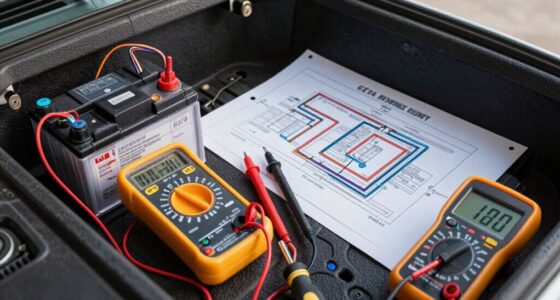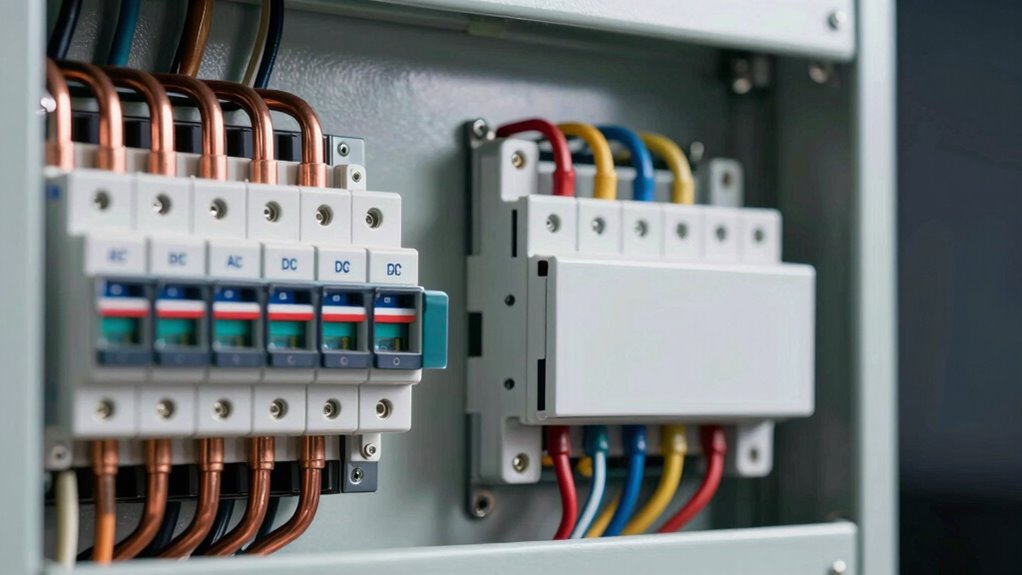

When comparing AC and DC loads, the hidden efficiency losses often go unnoticed. Converting between AC and DC involves energy that’s lost as heat, reducing overall system efficiency. Many people overlook how multiple conversions—like solar panels, batteries, and inverters—can drain energy before it reaches your devices. By understanding these losses, you can optimize your energy systems better. Keep exploring to uncover how these hidden inefficiencies impact your energy use and ways to minimize them.

Get business pricing on garage and car supplies
- Business-only prices and quantity discounts
- Tax-exempt purchasing
- Multiple users, one account, clear invoices
Key Takeaways
- Power conversion between AC and DC introduces hidden heat losses that reduce overall system efficiency.
- DC loads directly powered by batteries or DC sources avoid conversion losses, increasing efficiency.
- AC systems benefit from mature transformer technology, but multiple conversions in mixed systems cause energy loss.
- In renewable energy systems, inverter inefficiencies during DC to AC conversion significantly impact usable energy.
- Minimizing power conversion steps is crucial for optimizing energy system performance and reducing hidden losses.
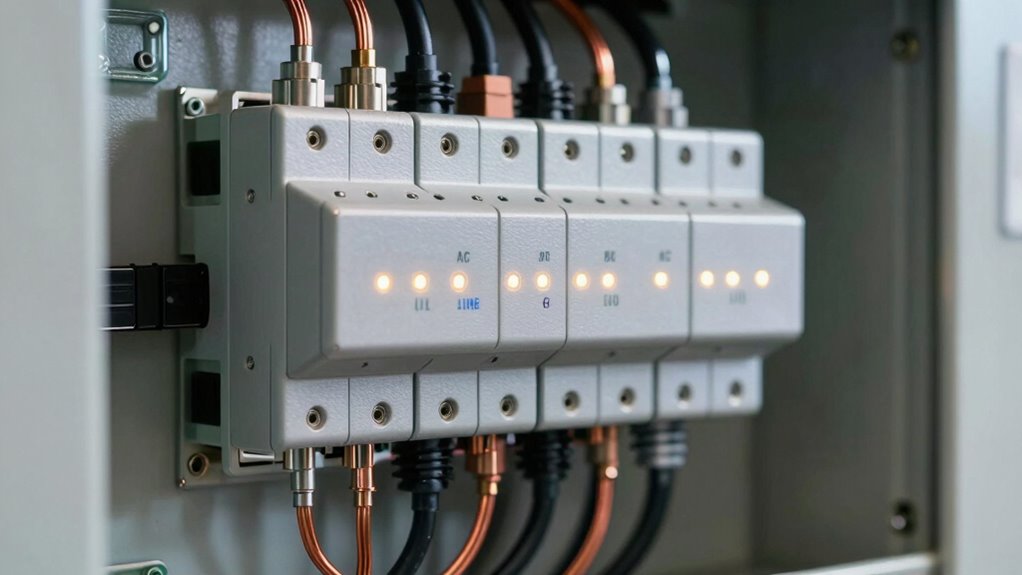
Have you ever wondered how alternating current (AC) and direct current (DC) loads differ in their applications and efficiency? The differences are subtle but impactful, especially when you consider how power is stored, transmitted, and used. AC is predominant in electrical grids because it can be transmitted over long distances more efficiently, thanks to its ability to easily change voltage levels through transformers. DC, on the other hand, is often used in electronic devices, batteries, and renewable energy systems. When it comes to battery storage, DC holds a considerable advantage because storing energy directly in a DC form minimizes energy loss during the process. If you need to convert AC to DC for battery storage, power conversion becomes necessary, and this step introduces efficiency losses. Every conversion from AC to DC or vice versa involves some energy loss, often in the form of heat, which can amount to several percentage points of energy reduction.
These efficiency losses become even more critical when you’re working with renewable energy sources like solar panels, which generate DC power. To integrate solar energy into the grid or store it in batteries, you need to perform power conversion, typically using inverters. The inverter’s efficiency directly affects how much usable energy you get at the end of the process. If the inverter isn’t highly efficient, a notable portion of the energy can be wasted, impacting overall system performance. In addition, the efficiency of power conversion can vary depending on the quality of the equipment used, further influencing the total energy output. Moreover, advances in power electronics are helping to reduce these losses, making renewable energy systems more effective and sustainable. These innovations focus on developing more efficient inverters that can significantly cut down energy wastage during the conversion process. Additionally, ongoing research into solid-state components aims to further improve the reliability and efficiency of energy conversion devices. In contrast, many DC loads, such as LED lighting, computers, and small appliances, operate directly from batteries or DC power supplies, bypassing the need for power conversion altogether, which reduces losses and boosts efficiency. Furthermore, the widespread adoption of DC distribution systems is showing promise for minimizing conversion losses in modern energy infrastructure.
When comparing AC and DC loads, it’s important to recognize that the infrastructure for AC is more mature and widespread, making it easier to distribute power over large areas. However, the conversion process needed to adapt AC to DC loads or for battery storage introduces efficiency challenges that many don’t see at first glance. You might think that the power source is the main factor, but the efficiency losses during power conversion can be just as critical. For example, in a solar-powered home, the energy losses from converting DC to AC for household use and then back into DC for battery storage can considerably reduce the overall efficiency of the system. Understanding these hidden losses helps you make smarter choices about your energy systems, emphasizing the importance of minimizing power conversion steps whenever possible to maximize efficiency.
As an affiliate, we earn on qualifying purchases.
Frequently Asked Questions
How Do AC and DC Loads Impact Overall Energy Costs?
You’ll notice that AC and DC loads impact your energy costs through factors like power factor and harmonic distortion. Poor power factor in AC systems causes higher energy bills because more current is needed for the same power, while harmonic distortion reduces efficiency and increases wear on equipment. DC loads generally have better power factor, but if not managed properly, they can still cause inefficiencies. Managing these factors helps lower your overall energy expenses.
Can AC and DC Loads Be Used Simultaneously in a System?
Yes, you can use AC and DC loads simultaneously in a system. About 60% of modern systems feature hybrid integration, combining both load types for ideal efficiency. To do this, you need to guarantee load compatibility, meaning your system components can handle both AC and DC power seamlessly. This approach maximizes energy use, reduces waste, and offers greater flexibility, especially in renewable and smart grid applications.
What Safety Concerns Are Associated With AC Versus DC Loads?
You need to be aware of safety concerns with AC and DC loads, especially regarding voltage stability and insulation requirements. AC systems pose a higher risk of electric shocks due to fluctuating voltage, so proper insulation and grounding are critical. DC loads, while more stable in voltage, can cause sustained arcs during disconnects, increasing fire risk. Adequate safety measures and insulation are essential for both types to prevent accidents.
How Does Load Type Affect Inverter Efficiency?
Your inverter efficiency largely depends on load type, as load compatibility influences how well the inverter operates. For example, pure sine wave inverters handle AC loads more efficiently, especially with complex or sensitive devices. Inverter design also matters; some are optimized for specific load types, reducing energy loss. When choosing an inverter, consider your load profile to guarantee maximum efficiency, avoiding unnecessary power dissipation and extending your system’s lifespan.
Are There Specific Industries Favoring AC or DC Loads?
You’ll find industries like renewable energy and smart grid systems favor DC loads because they optimize efficiency and integration. Solar farms and battery storage benefit from direct current, reducing energy loss during conversion. Conversely, traditional power utilities lean toward AC loads for grid stability and widespread compatibility. As technology advances, more sectors recognize the value of DC, aligning with cleaner, smarter energy solutions for a sustainable future.
As an affiliate, we earn on qualifying purchases.
Conclusion
So, next time you’re choosing between AC and DC loads, remember that efficiency isn’t just about the type of current but also about hidden losses. Many assume AC is always better because it’s used for power distribution, but DC can be more efficient for specific applications, especially with modern electronics. Don’t just follow the hype—dig a little deeper. Sometimes, the quiet, hidden losses matter more than the obvious ones.
As an affiliate, we earn on qualifying purchases.
As an affiliate, we earn on qualifying purchases.
Halloween Picks
halloween
As an affiliate, we earn on qualifying purchases.