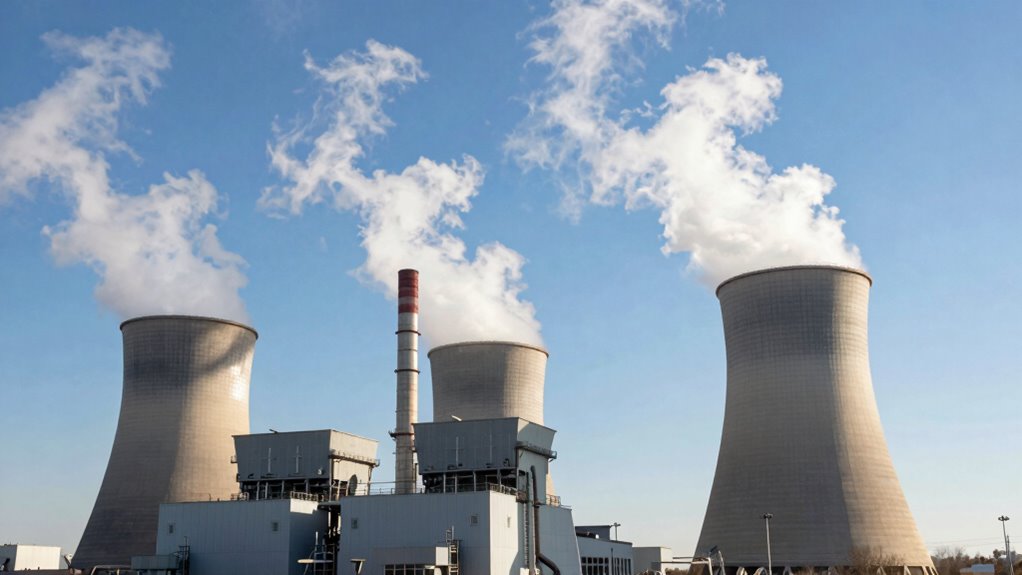

During heatwaves, power stations throttle their output to prevent equipment from overheating and suffering damage or failure. They reduce efficiency to protect machinery, which can cause power shortages and threaten grid stability. To avoid this, investing in diversified energy sources, energy storage, and grid upgrades helps manage supply during extreme heat. If you want to understand more about how these systems work and ways to keep the lights on, keep exploring this topic.

Get business pricing on garage and car supplies
- Business-only prices and quantity discounts
- Tax-exempt purchasing
- Multiple users, one account, clear invoices
Key Takeaways
- High temperatures cause equipment to overheat, prompting throttling to prevent damage and ensure safety.
- Throttling reduces power output, risking supply shortages and grid instability during heatwaves.
- Implementing energy storage and diversified energy sources can help maintain stable power generation.
- Upgrading infrastructure and using smart grid technologies improve resilience against heat-induced disruptions.
- Demand response programs reduce consumption during peak heat, minimizing the need for station throttling.
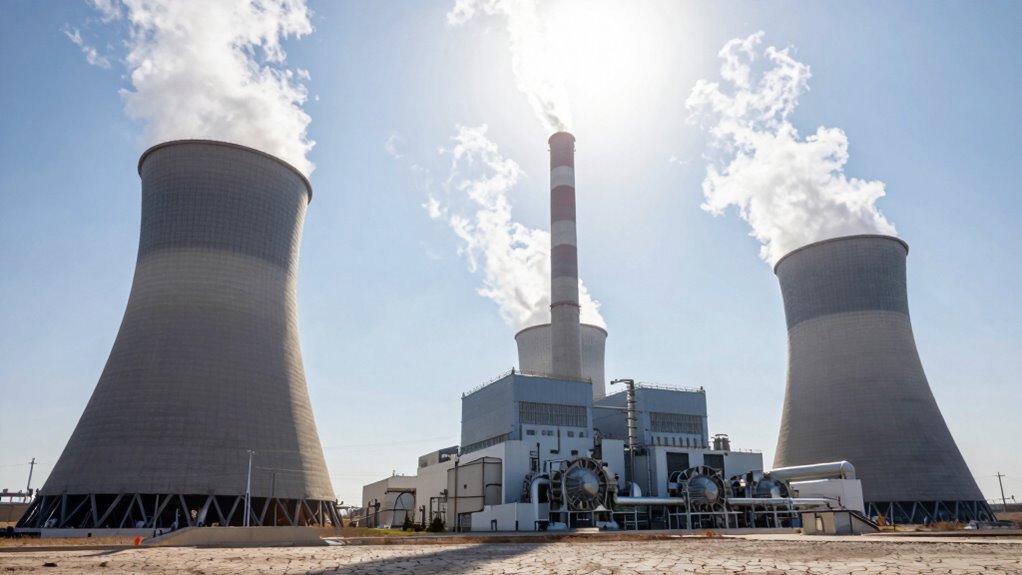
As temperatures soar during heatwaves, power stations often have to regulate their output to prevent overheating and maintain safety. High temperatures can push equipment beyond safe operational limits, risking damage or failure. To protect their infrastructure, power stations reduce their power generation, which can lead to shortages and instability in the power grid. This throttling isn’t just about protecting individual plants; it also affects the broader energy system, especially as renewable integration becomes more prominent. When renewable sources like solar and wind are added to the grid, maintaining stability becomes more complex, particularly during heatwaves when power demand is high, and supply from renewables may fluctuate due to weather conditions.
Throttling during extreme heat can disrupt your power supply, but it’s also a necessary measure to guarantee safety and equipment longevity. When a power station reduces its output, it creates a ripple effect across the grid, which can cause voltage fluctuations, blackouts, or brownouts if not managed carefully. To mitigate these risks, grid operators often rely on a mix of energy sources, including thermal, hydro, and increasingly, renewable energy. Incorporating renewables helps to diversify the energy mix, but it also requires sophisticated grid management to balance supply and demand, especially during periods of extreme heat. Proper integration of renewables can bolster grid stability, but it demands advanced forecasting and flexible infrastructure to compensate for periods when renewable output drops. Effective grid management plays a critical role in maintaining reliable power during such conditions.
Balancing renewables and traditional energy ensures grid stability during extreme heat and supply fluctuations.
Understanding how heat impacts power stations is crucial for consumers and operators alike, as it can help in planning for potential outages or fluctuations. One way to reduce reliance on throttling is investing in energy storage solutions, such as batteries or pumped hydro, which can store excess renewable energy when production is high and release it when needed. Additionally, innovations in thermal management technologies are being developed to help power plants operate more efficiently under high-temperature conditions. Improving grid infrastructure, like upgrading transmission lines and adding smart grid technologies, also helps to distribute power more efficiently and respond swiftly to changes in supply and demand. Additionally, demand response programs can encourage consumers to reduce usage during peak heat periods, easing the strain on power stations. Recognizing these challenges emphasizes the importance of grid resilience and the need for ongoing technological advancements to ensure reliable energy delivery in the face of extreme temperatures.
Ultimately, avoiding the need for throttling during heatwaves hinges on a resilient, well-integrated grid that balances renewable energy with traditional sources. By expanding renewable integration and investing in grid stability measures, you can help create a system that withstands extreme temperatures without sacrificing safety or reliability. This proactive approach not only minimizes disruptions but also supports a cleaner, more sustainable energy future, even when the mercury rises.
As an affiliate, we earn on qualifying purchases.
Frequently Asked Questions
How Do Different Types of Power Stations Respond to Heat?
You’ll notice that different power stations respond to heat uniquely. Nuclear plants rely on cooling techniques like cooling towers or water, while fossil fuel plants use heat-resistant materials to withstand high temperatures. Some renewable stations, like solar farms, aren’t as affected by heat. To prevent throttling, stations often upgrade cooling systems or use heat-resistant materials, ensuring efficient operation even during extreme temperatures.
What Are the Long-Term Effects of Heat on Power Station Components?
You might think heat’s just a temporary problem, but it actually causes long-term damage. Thermal expansion stresses components, leading to cracks and misalignments. Over time, material degradation weakens structural integrity, risking costly failures. Ironically, the very heat meant to generate power can silently erode your station’s efficiency and lifespan. To prevent this, regular maintenance and cooling system upgrades are essential, protecting your investment from nature’s relentless thermal assault.
Can Renewable Energy Sources Experience Throttling During Hot Weather?
Yes, renewable energy sources can experience throttling during hot weather. High temperatures can reduce solar capacity because panels become less efficient, and heat can cause wind variability to decrease, impacting wind turbine output. As a result, you might notice less energy production. To mitigate this, you can incorporate cooling systems for solar panels and optimize turbine placement to account for changing wind patterns, ensuring more reliable renewable power during extreme heat.
How Does Ambient Temperature Influence Power Station Efficiency?
Ambient temperature markedly impacts power station efficiency. When temperatures rise, you rely more on ambient cooling, which becomes less effective, leading to reduced efficiency. Higher temperatures hinder temperature regulation within turbines and generators, causing throttling to prevent overheating. To maintain peak performance, you should implement advanced cooling systems, improve heat exchange, and manage ambient conditions effectively, ensuring your power station operates smoothly even during hot weather.
What Are Innovative Cooling Technologies to Prevent Heat Throttling?
Think of innovative cooling tech like a shield against heat, much like a cool breeze on a hot day. You can implement liquid cooling systems that circulate coolant around critical components, maintaining ideal temperatures. Phase change materials absorb heat like a sponge, preventing overheating. Together, these methods prevent heat throttling, boosting efficiency and extending equipment lifespan, so your power station stays reliable even during the hottest days.
As an affiliate, we earn on qualifying purchases.
Conclusion
As the heat blankets the world, power stations struggle like a runner hitting a wall, throttling back to keep from overheating. But understanding these limits is akin to having a map in a maze—helping you navigate around the worst of the heat. By implementing smarter cooling and maintenance, you can keep the engines roaring smoothly, even in the hottest days. Staying ahead of the heat‘s grip ensures your power stays steady, like a lighthouse guiding ships safely home through stormy seas.
As an affiliate, we earn on qualifying purchases.
thermal management cooling system
As an affiliate, we earn on qualifying purchases.
As an affiliate, we earn on qualifying purchases.
Fall Picks
fall essentials
As an affiliate, we earn on qualifying purchases.