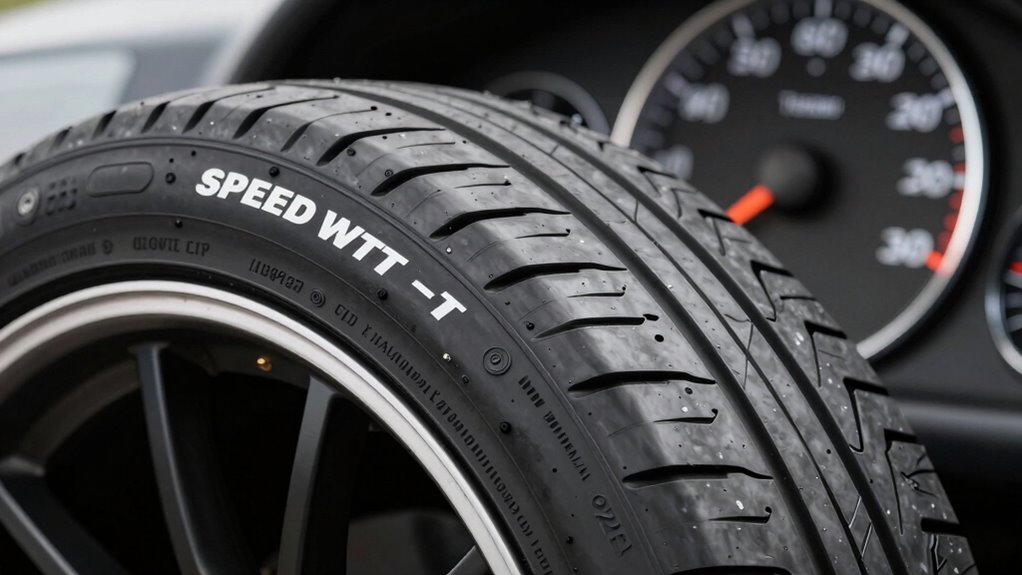

Understanding your tire’s speed ratings and safety limits is vital for safe driving. These ratings, like V, Z, or W, show the maximum speeds your tires can handle reliably, preventing overheating and failures. Using tires with appropriate ratings matched to your vehicle and driving style improves handling and safety. Exceeding these limits increases risks. To guarantee your tires perform well and keep you safe, it’s important to know what these ratings mean—learn more to make informed choices.
Open a free Amazon Business account
Business pricing, bulk buying and tax-exempt orders.
As an affiliate, we earn on qualifying purchases.
Key Takeaways
- Speed ratings (H, V, Z, W) indicate maximum safe driving speeds for tires, ensuring performance and safety.
- Selecting tires with appropriate or higher speed ratings prevents overheating and reduces the risk of tire failure.
- Exceeding tire speed limits can cause excessive heat buildup, wear, and potential blowouts.
- Regular tire inspections and maintenance help ensure tires meet safety standards and performance ratings.
- Following manufacturer recommendations and matching tire ratings to driving habits enhances safety and tire longevity.
Understanding speed ratings and tire safety limits is vital for safe driving. When you’re on the road, your tires are the only contact between your vehicle and the pavement, making their performance and safety features essential. One key aspect to evaluate is tire durability, which refers to how well your tires can withstand the stresses of regular driving, especially at higher speeds. To help you choose the right tires, manufacturers use speed rating symbols—letters like H, V, Z, and W—that indicate the maximum speed a tire can handle securely. These symbols aren’t just arbitrary labels; they’re carefully tested standards that guarantee your tires will perform reliably under specific conditions. Knowing what these symbols mean can prevent you from overestimating your tires’ capabilities, reducing the risk of blowouts or other failures.
Your tire’s speed rating directly influences its durability and overall safety. If you frequently drive at high speeds, you need tires rated for those speeds to guarantee they won’t overheat or wear out prematurely. For example, a tire with a V rating can handle speeds up to 149 mph, while a Z-rated tire can go beyond 149 mph. However, it’s important to realize that these ratings are maximum limits, not recommended cruising speeds. Driving consistently at or near the maximum speed rating can cause excessive heat buildup, which accelerates tire wear and diminishes safety. Conversely, using tires with a lower speed rating than your vehicle’s capabilities can lead to compromised handling and increased risk of tire failure.
Choosing tires with appropriate speed ratings ensures safety, durability, and optimal handling for your driving habits.
Understanding the significance of tire durability and speed rating symbols also helps you make smarter choices when it comes to tire maintenance and replacement. Regularly inspecting your tires for signs of wear, such as uneven tread or cracks, extends their lifespan and keeps them performing at their best. When replacing tires, always select ones with a speed rating that matches or exceeds your typical driving speeds. This ensures you’re not pushing your tires beyond their safety limits, especially during long highway trips or spirited driving. Additionally, European standards for tire safety emphasize the importance of proper load capacity and tread depth, further enhancing overall safety. It is also beneficial to familiarize yourself with tire durability ratings, which can provide insights into how well tires will perform over time under different conditions. Moreover, understanding the performance specifications of your tires can help optimize your vehicle’s handling and safety features. Being aware of the testing procedures used to determine these ratings can also give you greater confidence in your tire choices.
Finally, always consult the manufacturer’s recommendations and tire safety limits to ensure your tires are suitable for your specific driving environment. Remember, the goal isn’t just to meet legal requirements but to prioritize your safety and that of your passengers. Ultimately, knowing how to interpret speed ratings and understanding your tires’ safety limits empowers you to drive confidently. It guarantees your tires are capable of handling the demands of your driving style while providing the durability needed for safe, reliable performance. Never overlook the importance of these ratings—they’re your first line of defense against tire failure and a safer journey on every trip.

4 x Fullway HP108 205/55R16 91V SL All Season Performance Tires
- Tire Type: Tires Only
- Season: All Season
- Performance: Performance
As an affiliate, we earn on qualifying purchases.
As an affiliate, we earn on qualifying purchases.
Frequently Asked Questions
How Often Should I Check My Tire Speed Ratings?
You should check your tire speed ratings during regular tire maintenance, ideally every time you inspect your tires or when replacing them. It’s a key safety consideration to guarantee your tires meet your vehicle’s performance needs. Keep an eye on these ratings, especially if you often drive at higher speeds. Regular checks help prevent accidents and extend tire life, making your driving safer and more reliable.
Can I Legally Drive Faster Than My Tire’s Speed Rating?
You can’t legally drive faster than your tire’s speed rating, despite common speed rating myths suggesting otherwise. While some believe exceeding this limit improves performance, tire performance factors like heat buildup and durability suffer, increasing the risk of blowouts or accidents. Always adhere to your tires’ speed ratings for safety and legal compliance, and remember, pushing beyond these limits isn’t just risky — it’s potentially illegal.
Do Speed Ratings Affect Tire Wear and Longevity?
Speed ratings can influence your tire’s durability and performance impact. When you drive at or near your tire’s maximum speed rating, it can cause increased heat buildup, which accelerates tire wear and reduces longevity. Pushing beyond the rated speed may lead to quicker deterioration and safety risks. To maximize tire lifespan, stick within your tire’s recommended speed limits, and avoid aggressive driving that strains your tires’ durability.
Are Higher Speed-Rated Tires More Expensive to Replace?
Yes, higher speed-rated tires tend to be more expensive to replace. Their advanced materials and construction, designed for higher performance, increase manufacturing costs. When you compare costs, you’ll find that replacement costs for these tires are often higher than standard options. This price difference reflects their specialized design and the premium quality needed to guarantee safety at higher speeds, making them a more costly investment over time.
How Do I Choose the Right Speed Rating for My Vehicle?
You should choose the right speed rating for your vehicle by considering your driving habits and manufacturer recommendations. Check your tire pressure regularly to guarantee peak performance, and inspect tread depth to maintain safety. Higher speed-rated tires often offer better handling but may wear faster. Match the tire’s speed rating with your typical driving speed, and consult your owner’s manual to ensure safety and performance.
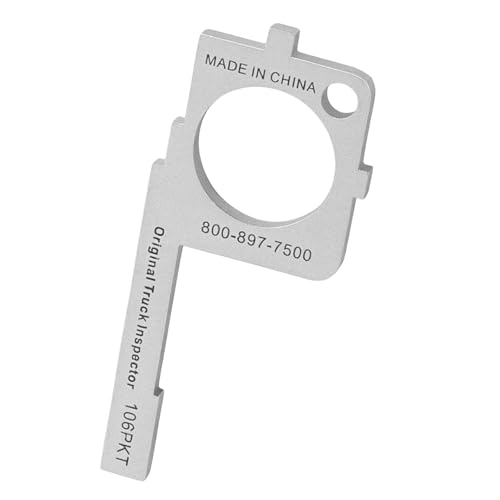
XwaYexa Pre Trip Inspection Tool for Truck Driver
- Enhances Safety Inspections: Checks tire, brake, and windshield conditions
- Increases Inspection Efficiency: Streamlines pre-trip safety checks
- Compact and Portable: Easy to carry and store
As an affiliate, we earn on qualifying purchases.
As an affiliate, we earn on qualifying purchases.
Conclusion
Remember, your tires are the heartbeat of your car—pumping safety and performance with every mile. Choosing the right speed rating isn’t just a number; it’s your shield against unexpected dangers. Think of your tires as a trusted compass guiding you safely through life’s twists and turns. When you respect their limits, you steer clear of trouble and keep your journey smooth. So, trust your tires—they’re the silent guardians beneath your wheels, always ready for the road ahead.

Tire Tread Depth Gauge,Tire Tread Gauge Color Coded,Tread Depth Gauge in 1/32 inch(Pack of 2)
- Color Coded Tread Depth Ranges: Different colors indicate specific tread depths
- Reusable and Durable Material: Made of sturdy, long-lasting material
- Compact and Portable Design: Small size with pocket clip for easy carrying
As an affiliate, we earn on qualifying purchases.
As an affiliate, we earn on qualifying purchases.
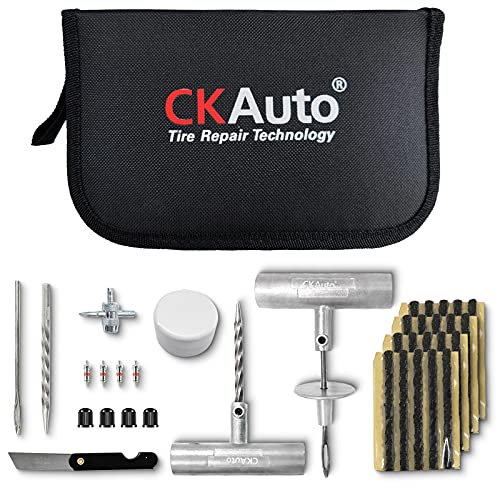
CKAuto 36 pcs Universal Tire Repair Kit with Plugs Heavy Duty Professional
- Complete Tire Repair Kit: Includes tools, plugs, caps, and lubricant
- High-Quality Materials: Rust-resistant zinc alloy tools and natural rubber plugs
- User-Friendly Design: Easy to use with detailed instructions
As an affiliate, we earn on qualifying purchases.
As an affiliate, we earn on qualifying purchases.
Back to school Picks
back to school
As an affiliate, we earn on qualifying purchases.