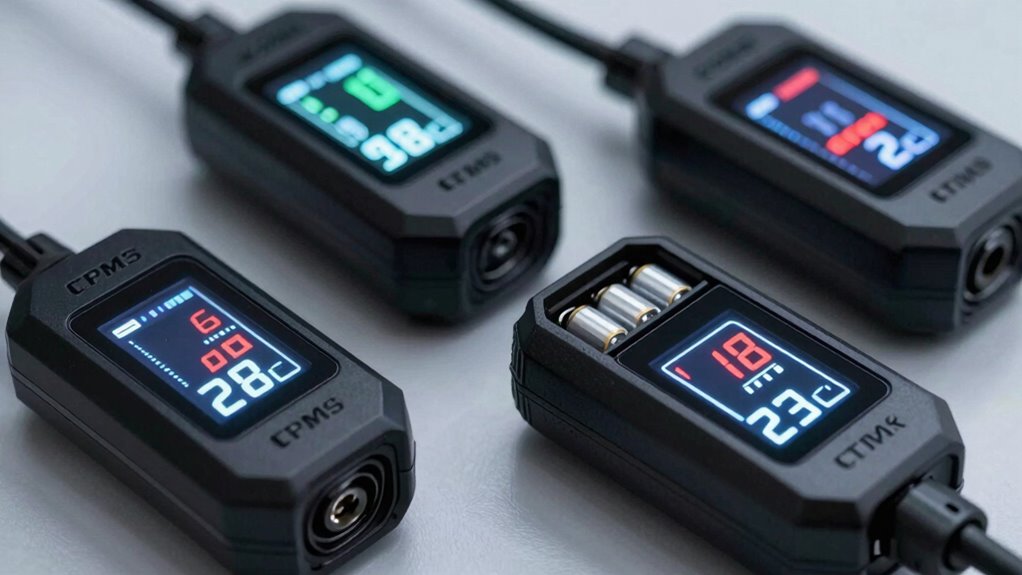

If you’re looking for the best TPMS with replaceable batteries for 2026, I recommend models with user-friendly installation, easy battery swaps, and proven durability. I suggest options like the TPMS sensors for Ford/Mazda, Chrysler/Jeep/Dodge, Toyota, and Subaru, all designed for quick replacement and reliable performance. These models also offer long battery life and warranty support, making maintenance simpler. Keep exploring to see which option fits your vehicle and needs best.
Key Takeaways
- Prioritize TPMS models with user-replaceable CR2 or similar batteries for extended sensor lifespan.
- Ensure compatibility with your vehicle’s make, model, and sensor frequency (315MHz or 433MHz).
- Check for easy battery replacement features and included replacement batteries for cost efficiency.
- Opt for sensors with at least five years of battery life and reliable accuracy within ±1 psi.
- Review warranty support and manufacturer reputation for durable, long-term TPMS solutions in 2026.
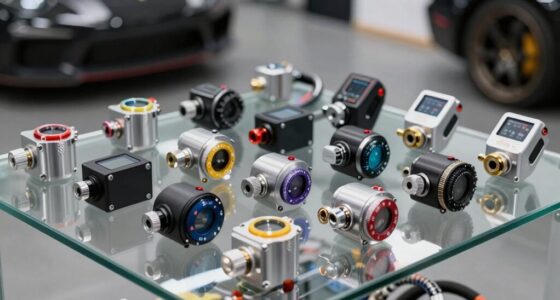
| TPMS Sensor Replacement for Ford/Mazda (4 Pack) |  | Reliable Fit | Compatibility: Ford, Lincoln, Mazda, Mercury (2006-2008) | Relearn Method: Relearn via OBDII, TPMS tool, driving | Battery Type: CR2 (included) | VIEW LATEST PRICE | See Our Full Breakdown |
| TPMS Tire Pressure Sensor 4-Pack for Chrysler Jeep Dodge |  | Auto-Relearn Ease | Compatibility: Chrysler, Jeep, Dodge, Ram, Fiat (various models/years) | Relearn Method: Auto-relearn, no manual programming | Battery Type: CR2 (included) | VIEW LATEST PRICE | See Our Full Breakdown |
| U912 TPMS Tire Pressure Monitor System for Toyota |  | Customizable Alerts | Compatibility: Toyota, Honda, Nissan, Mazda | Relearn Method: Relearn via driving, activate sensors | Battery Type: Replaceable batteries (unspecified type) | VIEW LATEST PRICE | See Our Full Breakdown |
| TPMS Sensor for Subaru 4-Pack with Valve Stems |  | Subaru Specialist | Compatibility: Subaru (various models and years) | Relearn Method: Relearn via OBDII scanner, activation at valve stem | Battery Type: Replaceable batteries (unspecified type) | VIEW LATEST PRICE | See Our Full Breakdown |
More Details on Our Top Picks
TPMS Sensor Replacement for Ford/Mazda (4 Pack)
If you own a Ford or Mazda vehicle from 2006 to 2008 and need reliable tire pressure monitoring, the TPMS Sensor Replacement for Ford/Mazda (4 Pack) is an excellent choice. These sensors fit models like the F150, Fusion, Mustang, Flex, and Ranger, operating at 315MHz. They come with replaceable valve stems and are designed for high precision, with batteries lasting over five years. While pre-programmed, they require re-learning with professional tools to sync with your vehicle. Built by CARORAV, they’re durable, tested regularly, and backed by positive reviews. This pack offers a cost-effective, dependable solution for maintaining ideal tire pressure.
- Compatibility:Ford, Lincoln, Mazda, Mercury (2006-2008)
- Relearn Method:Relearn via OBDII, TPMS tool, driving
- Battery Type:CR2 (included)
- Operating Temperature Range:-40°C to +125°C
- Battery Life:Over 5 years
- Installation Requirement:Pre-programmed, requires reset with diagnostic tools
- Additional Feature:Pre-programmed, requires reset
- Additional Feature:Includes replaceable valve stems
- Additional Feature:Designed for high tire accuracy
TPMS Tire Pressure Sensor 4-Pack for Chrysler Jeep Dodge
The TPMS Tire Pressure Sensor 4-Pack for Chrysler, Jeep, and Dodge stands out as an ideal choice for vehicle owners seeking reliable, easy-to-install sensors with long-lasting batteries. These pre-programmed sensors automatically relearn after about 20-30 minutes of driving, eliminating manual setup. Compatible with many models, including Chrysler 2009-2017, Dodge Challenger, Jeep Gladiator, and Ram trucks, they feature high-quality construction and batteries that last over five years. Powered by a 12V CR2 battery, they provide accurate tire pressure and temperature readings within a wide range. With a one-year warranty and positive reviews, these sensors are a smart upgrade for maintaining your vehicle’s safety and performance.
- Compatibility:Chrysler, Jeep, Dodge, Ram, Fiat (various models/years)
- Relearn Method:Auto-relearn, no manual programming
- Battery Type:CR2 (included)
- Operating Temperature Range:-40°C to +125°C
- Battery Life:Over 5 years
- Installation Requirement:Pre-programmed, automatic detection, no manual programming
- Additional Feature:Auto-relearn, no manual programming
- Additional Feature:Compatible with multiple vehicle makes
- Additional Feature:One-year warranty included
U912 TPMS Tire Pressure Monitor System for Toyota
Designed specifically for Toyota models, the U912 TPMS Tire Pressure Monitor System stands out with its replaceable sensor batteries and precise monitoring capabilities. It includes one monitor and four RF sensors that fit into the vehicle’s designated slots, with dimensions tailored for Toyota vehicles. The system dynamically tracks tire pressure and temperature in real time, alerting me to any issues via beeps and flashing indicators. Sensors activate at 20 km/h and sleep when stationary, conserving battery life. With a wireless range of up to 26 feet, it’s reliable and easy to install, making it an excellent choice for maintaining ideal tire health on Toyota vehicles.
- Compatibility:Toyota, Honda, Nissan, Mazda
- Relearn Method:Relearn via driving, activate sensors
- Battery Type:Replaceable batteries (unspecified type)
- Operating Temperature Range:Suitable for most cars/SUVs, temperature range not specified but implied
- Battery Life:Battery replaceable, lifespan not specified but implied long
- Installation Requirement:Sensors activate at 20 km/h, requires activation
- Additional Feature:Dynamic real-time monitoring
- Additional Feature:Anti-theft locking sensors
- Additional Feature:Customizable alert thresholds
TPMS Sensor for Subaru 4-Pack with Valve Stems
For Subaru owners seeking a reliable and cost-effective solution, the TPMS Sensor for Subaru 4-Pack with Valve Stems offers a convenient way to maintain accurate tire pressure monitoring without frequent sensor replacements. Compatible with models like Crosstrek, Forester, Impreza, Legacy, Outback, Tribeca, and WRX/STI, these sensors replace various part numbers and operate at 315MHz. They come pre-programmed but need re-learning using an OBDII scanner or activation tool. With durable batteries lasting over five years and a temperature range from -40°C to +125°C, these sensors ensure long-lasting, precise performance. Plus, the 4-pack provides excellent value for Subaru drivers.
- Compatibility:Subaru (various models and years)
- Relearn Method:Relearn via OBDII scanner, activation at valve stem
- Battery Type:Replaceable batteries (unspecified type)
- Operating Temperature Range:-40°C to +125°C
- Battery Life:Over 5 years
- Installation Requirement:Pre-programmed, needs reset via OBDII or activation at valve
- Additional Feature:Compatible with multiple Subaru models
- Additional Feature:Relearn after installation required
- Additional Feature:High accuracy, long battery life
Factors to Consider When Choosing TPMS With Replaceable Sensor Batteries

When choosing a TPMS with replaceable batteries, I consider how long the batteries will last and if they match my vehicle’s compatibility. I also look for sensors that are easy to replace and make sure the system meets accuracy standards. Finally, I check how simple the installation and relearning process is to avoid unnecessary hassle.
Battery Longevity Expectations
Choosing a TPMS with replaceable sensor batteries requires understanding how long those batteries are likely to last. Typically, they last over five years under normal conditions, which is a significant advantage for long-term reliability. However, factors like extreme temperatures, frequent driving, and sensor usage can shorten their lifespan. Regularly checking sensor performance can help spot when batteries are nearing the end of their life, preventing unexpected failures. Some sensors are designed for easy battery replacement, extending the system’s overall lifespan and reducing maintenance costs. Knowing the expected battery longevity helps plan maintenance schedules and avoid system breakdowns. By considering these expectations, you can select a TPMS that offers dependable performance and minimizes surprises down the road.
Compatibility With Vehicle Models
Selecting a TPMS with replaceable sensor batteries means verifying that the system will work seamlessly with your vehicle. First, I check that the sensor is compatible with my specific make, model, and year to ensure proper fit and function. I also verify the sensor’s frequency—whether it’s 315MHz or 433MHz—to match my vehicle’s communication system. Dimensions and installation slot size matter too; I want to make sure the sensor fits the mounting points without issues. Additionally, I confirm that the sensor’s auto-relearn or manual reset process aligns with my vehicle’s diagnostic tools. Ultimately, I review the manufacturer’s specifications to make sure the battery type and lifespan meet my monitoring needs. These steps help guarantee reliable performance and easy integration.
Ease of Sensor Replacement
To guarantee hassle-free maintenance, I look for TPMS sensors with easily accessible, user-replaceable batteries. It’s important that the battery type, like CR2, is common and readily available, so I never worry about finding replacements. I also prefer sensors that are simple to remove and install without needing special tools or professional help. A longer battery life, over five years, reduces the hassle of frequent replacements. To ensure smooth process, I check manufacturer instructions and reviews, which often highlight how straightforward the battery replacement is. This way, I can confidently maintain my TPMS system myself, saving time and money while keeping my vehicle’s tire pressure monitoring reliable. Ease of replacement is key to hassle-free, ongoing tire safety.
Monitoring Accuracy Standards
When evaluating TPMS sensors with replaceable batteries, monitoring accuracy becomes a top priority. The sensors must deliver tire pressure readings within a ±1 psi margin to guarantee reliable data. Consistency over the sensor’s lifespan, often over five years, is vital; unreliable accuracy can compromise safety. Additionally, sensors should detect pressure changes as small as 1 psi to provide early warnings of issues. Temperature measurement accuracy also matters, with standards often allowing a tolerance of ±3°C for proper tire condition assessment. Meeting these industry accuracy standards ensures that the TPMS delivers trustworthy information, supporting safe driving and timely maintenance. Choosing sensors that adhere to these rigorous standards guarantees you get precise, dependable data throughout the sensor’s operational life.
Installation and Relearning Process
Ensuring proper installation and relearning of TPMS sensors with replaceable batteries is essential for accurate and reliable tire pressure monitoring. First, double-check sensor compatibility and make sure sensors are correctly positioned at each valve stem before attempting to relearn. Relearning usually involves using an OBDII scanner or TPMS activation tool to reset the system after installation. Many systems require driving at a specific speed, such as 28 mph, for at least five minutes to complete reprogramming. While sensors with replaceable batteries often recalibrate automatically during normal driving, some may require manual activation or reset procedures. Ensuring sensors are properly scanned and activated at the valve stem is vital for system accuracy, so follow the manufacturer’s instructions carefully to avoid errors.
Price and Warranty Options
Choosing the right TPMS with replaceable sensor batteries involves more than just comparing features; you also need to contemplate price and warranty options carefully. I look for models offering longer warranties, as they often reflect higher reliability and manufacturer confidence. It’s important to check if the price is competitive, especially compared to sensors with non-replaceable batteries, to ensure I get good value. I also verify whether replacement batteries are included or if I’ll need to buy them separately, which impacts overall costs. Additionally, I consider the availability of warranty support and the ease of filing claims if sensors fail or are defective. Finally, I make sure the price aligns with the features and quality assurances, so I don’t overpay for basic functionality.
Frequently Asked Questions
How Long Do Replaceable Sensor Batteries Typically Last?
Replaceable sensor batteries usually last between 3 to 5 years, depending on usage and the specific model. I’ve found that high-quality sensors tend to last longer, especially if you maintain them properly. It’s a good idea to check the manufacturer’s recommendations and keep an eye on battery life indicators. When the battery runs out, replacing it is straightforward, saving you money and extending the sensor’s lifespan.
Are These TPMS Sensors Compatible With All Vehicle Models?
Think of TPMS sensors as the heartbeat of your vehicle’s tire health. Not all sensors are universal; compatibility varies by make and model. I recommend checking your vehicle’s manual or consulting with the manufacturer to guarantee a sensor will fit perfectly. Some brands offer adapters or specific models designed for certain vehicles, so doing a bit of homework can save you headaches and keep your system running smoothly.
Can I Install TPMS Sensors Myself or Need Professional Help?
You can install TPMS sensors yourself if you’re comfortable with basic tools and follow the manufacturer’s instructions carefully. However, I recommend professional help if you’re unsure, as proper installation guarantees accurate readings and safety. Some sensors require coding or calibration that might be tricky for beginners. Ultimately, if you’re confident, DIY is doable, but when in doubt, a professional installation assures best performance and peace of mind.
Do Replaceable Batteries Affect TPMS Sensor Accuracy?
A warning bell rings — replaceable batteries do influence TPMS sensor accuracy if I don’t keep them fresh. As long as I regularly check and replace the batteries when needed, my sensors stay reliable. Think of it like maintaining a watch; neglect it, and it won’t keep perfect time. So, I make sure to stay on top of battery replacements to ensure my TPMS works accurately when I need it most.
What Is the Estimated Cost of Replacing Sensor Batteries?
Replacing TPMS sensor batteries typically costs between $50 and $150, depending on the vehicle and sensor type. I’ve found that some sensors are more affordable to service, while others may require professional replacement, which adds labor costs. It’s important to weigh these expenses against the savings of replacing batteries yourself or choosing sensors with longer-lasting power. Overall, budget around $100 for a typical battery replacement to keep your system functioning reliably.
Conclusion
Choosing a TPMS with replaceable batteries is like planting seeds for your vehicle’s safety and longevity. When you select the right system, you’re nurturing a garden of peace of mind, where each sensor is a resilient bloom ready to withstand the seasons. Remember, the right choice isn’t just about the parts—it’s about cultivating trust and security on every journey. Let your decision be the seed that grows into lasting confidence behind the wheel.