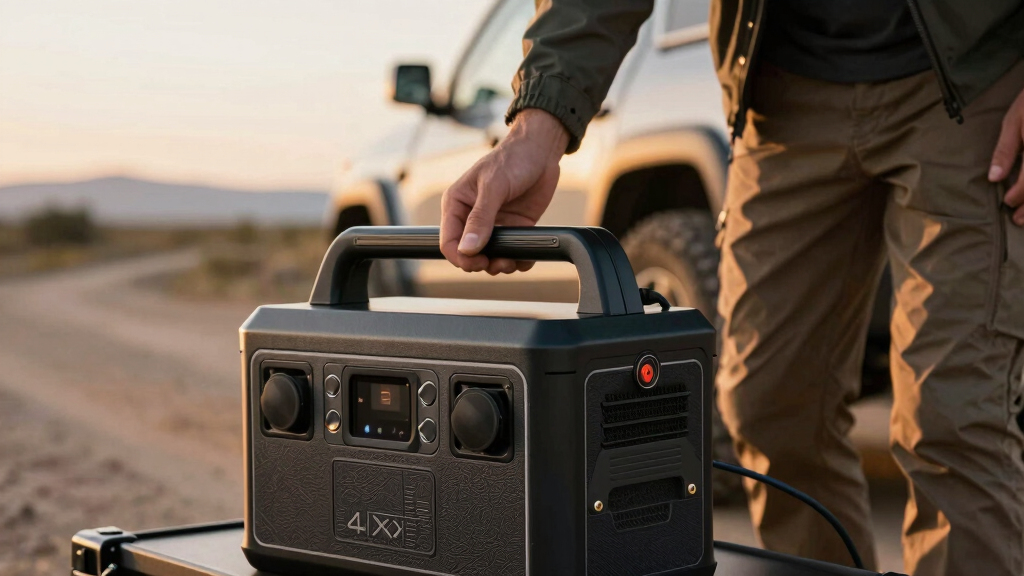
Finding the best portable power station for 4×4 overlanding involves balancing power capacity, portability, and versatility. The Jackery HomePower 3000 stands out as the overall best choice for its massive capacity and expandable solar options. For those prioritizing lightweight efficiency, the Jackery Explorer 300 offers compact convenience, while the EcoFlow DELTA 3 Max provides fast recharging and robust output for demanding setups. Each option comes with tradeoffs—higher capacity units tend to be heavier and pricier, while smaller models may lack the power needed for larger appliances. Continue reading to see how these choices compare across key factors, helping you select the best fit for your overlanding needs.
Listen free for 30 days with Audible
Thousands of audiobooks and originals — cancel anytime.
Start your free trialAs an affiliate, we earn on qualifying purchases.
Key Takeaways
- The most capable units combine high capacity with fast charging, but tend to be heavier and more expensive.
- Expandable solar options are a game-changer for extended overland trips, reducing reliance on grid power.
- Size and weight vary widely; lighter models are easier to carry but may lack long-term power for demanding devices.
- Battery chemistry impacts longevity and safety; LiFePO4 batteries generally last longer and are safer than traditional lithium-ion.
- Versatility in outlets and ports can determine whether a power station supports all your gear, from small gadgets to larger appliances.


More Details on Our Top Picks
Jackery HomePower 3000 Portable Power Station with 4x 100W Prime Panels, 3600W (7200W Surge), 3072Wh LFP Battery, USB-A/C, Home Backup, RV & Emergencies, Grey
The Jackery HomePower 3000 stands out for its enormous 3072Wh LiFePO4 battery and 3600W continuous output, making it well-suited for long overlanding trips where power demands are high. Compared with smaller units like the Anker SOLIX C300, it offers vastly more capacity and a longer cycle life, but at the expense of increased size and weight, which can impact portability. Its fast recharge times and versatile ports make it ideal for powering multiple devices or even small appliances, yet the need to purchase solar panels separately adds to initial costs. This model excels in reliability and capacity, but it’s less suited for those seeking a compact, lightweight setup. Overall, this pick is best for overlanders who prioritize long-lasting power and are willing to carry a heavier unit for extended trips.
Pros:- Massive 3072Wh capacity with long cycle life
- Fast recharging via AC, DC, or solar
- Versatile ports for multiple device and RV needs
- Seamless UPS function for power outages
Cons:- Bulkier and heavier than most portable options, impacting transport
- Solar panels sold separately, increasing upfront costs
- Exact weight and portability details are not specified
Best for: Overlanders needing serious capacity for multi-day trips with high power requirements and reliable backup.
Not ideal for: Solo travelers or minimalist overlanders who prioritize ultra-lightweight gear, as this model is bulky and heavy.
- Capacity:3072Wh
- Surge Power:7200W
- Continuous Power:3600W
- Battery Type:LiFePO4
- Cycle Life:4,000 cycles
- Recharge Time (AC/DC):1.7 hours
- Ports:USB-A, USB-C, AC, DC, TT-30 RV port
- Weight:Not specified
Bottom line: This is the best choice for overlanders who need reliable, high-capacity power for extended trips and don’t mind the added weight.
Anker SOLIX C1000 Gen 2 Portable Power Station, 2000W (Peak 3000W), 1024Wh LiFePO4 Battery, Solar Generator for Home Backup and Camping
The Anker SOLIX C1000 Gen 2 offers a compelling balance of power and portability, with a 1024Wh LiFePO4 battery and 2000W continuous output. Its standout feature is the incredibly fast recharge time of just 49 minutes via AC, which surpasses models like the EcoFlow DELTA 3 Max that take over an hour. While its size and weight are smaller and lighter, making it easier to carry, the slightly lower capacity means it’s better suited for shorter trips or power needs. The large number of ports and UPS functionality make it versatile for emergencies and off-grid use, but the high price and need for app-based controls might be less appealing for casual users. This unit makes the most sense for overlanders who prioritize quick recharges and compact design without sacrificing too much power.
Pros:- Ultra-fast recharge in 49 minutes
- High power output suitable for most devices
- Compact and lightweight design
- Long cycle life with LiFePO4 battery
Cons:- Price may be high for budget travelers
- Requires app for some features, which might be inconvenient
- Capacity might be limited for multi-day heavy power use
Best for: Overlanders seeking a highly portable, fast-recharging power station that can handle multiple devices in shorter trips.
Not ideal for: Those requiring very high capacity or longer-term power solutions, as its 1024Wh battery may fall short on extended overlanding adventures.
- Capacity:1024Wh
- Power Output:2000W (3000W peak)
- Recharge Time (AC):49 minutes
- Recharge Time (Solar):1.8 hours
- Cycle Life:4,000 cycles
- Ports:10 ports
Bottom line: Ideal for overlanders who need quick recharging and portability without sacrificing significant power capacity.
EcoFlow DELTA 3 Max Portable Power Station, 2048Wh LiFePO4 Battery, 3400W X-Boost, Fast Charging, Home & RV Backup
The EcoFlow DELTA 3 Max is distinguished by its 2048Wh battery and impressive 3400W X-Boost mode, making it suitable for powering larger appliances or multiple devices simultaneously. Compared with the Jackery HomePower 3000, it offers less capacity but benefits from ultra-fast charging, reaching 80% in just over an hour. Its smart app control and durable, lightweight design enhance convenience, but the high price and weight could be drawbacks for overlanders needing ultra-portable gear. While it is not expandable, its quick recharge times and high output make it ideal for short-term, high-demand scenarios. This model suits those who want a balance of fast charging, smart management, and substantial power in a reasonably portable form.
Pros:- Fast recharge from 0-80% in just 1.13 hours
- High continuous output for large appliances
- Smart app control and durable build
- Lightweight for its capacity
Cons:- Price could be prohibitive for budget-conscious users
- Not designed for capacity expansion
- Heavy compared to smaller units
Best for: Overlanders who need rapid charging, high output, and smart device management for shorter trips or emergency backup.
Not ideal for: Travelers who require extensive capacity for multi-day, heavy power needs, as its 2048Wh may be insufficient over long durations.
- Capacity:2048Wh
- Maximum Output:3400W
- Charging Time:0-80% in 1.13 hours
- Cycle Life:10 years
- Transfer Time:10ms
- Weight:Lightweight
Bottom line: Best for overlanders who prioritize fast charging and high power output with smart features for shorter or emergency trips.
OUPES Mega 1 Portable Power Station 2000W (Surge 4500W), 1024Wh LiFePO4 Battery Solar Generator, Expandable to 5kWh, UPS, for Home Backup Power, Camping & Road Trips
The OUPES Mega 1 excels in modularity and high surge capacity, with a 1024Wh battery and surge power up to 4500W. Its ability to expand to 5120Wh makes it an especially appealing choice for overlanders who plan multi-day trips with unpredictable power demands. Compared to the Anker SOLIX C1000, it offers greater capacity expansion, while its fast recharge options and high solar input support efficient recharging in remote locations. The quick UPS transfer (<20ms) ensures reliable backup during critical moments, but the initial cost and larger size may be less suitable for those prioritizing truly lightweight setups. This unit is ideal for overlanders who need adaptable, heavy-duty power with future expansion potential.
Pros:- Industry-leading rapid recharge with AC and solar
- Modular design allows capacity expansion up to 5120Wh
- High surge power for demanding appliances
- Reliable UPS with quick transfer
Cons:- Higher initial cost due to expansion capability
- Larger size may limit portability for some users
- Requires multiple solar panels for full solar input
Best for: Overlanders who require expandable capacity and high surge power for demanding electronics and multi-day trips.
Not ideal for: Solo travelers or those with strict weight limits, as the unit’s size and cost are higher and expansion features add complexity.
- Battery Capacity:1024Wh
- Surge Power:4500W
- Continuous Power:2000W
- Expandable Capacity:up to 5120Wh
- Charge Time (AC):36 minutes
- Solar Input:up to 800W
- Cycle Life:3,500+ cycles
- Transfer Time (UPS):<20ms
Bottom line: This is the best option for overlanders seeking a highly expandable, durable power solution capable of handling heavy loads over multiple days.
Anker Portable Power Station SOLIX C300
The Anker SOLIX C300 packs 288Wh of capacity into a compact form, delivering 300W (600W surge) suitable for short overland trips, camping, or emergency use. It’s noticeably smaller and lighter than larger units like the EcoFlow DELTA 3 Max, making it a practical choice for minimalists. Its fast recharge—80% in just 50 minutes—makes it convenient for quick turnarounds between outings. However, its lower capacity limits its usefulness on multi-day journeys with higher power needs, and it’s not compatible with some larger solar panels, which could restrict solar options. If portability and quick recharges are your priority, this unit provides a reliable, durable power source without excess bulk.
Pros:- Very compact and lightweight for portability
- Fast recharging via wall or solar panels
- Multiple versatile ports including USB-C
- Long cycle life with LiFePO4 battery
Cons:- Limited capacity for multi-day heavy use
- Requires separate purchase of straps for portability
- Not compatible with some solar panels
Best for: Overlanders who need a lightweight, quick-recharging power station for short trips or emergency backup.
Not ideal for: Extended overlanding adventures requiring large capacity or running multiple appliances over several days.
- Battery Capacity:288Wh
- Power Output:300W (600W surge)
- Charging Time:80% in 50 minutes
- Cycle Life:3,000 cycles
- Noise Level:25dB
Bottom line: Best suited for overlanders prioritizing lightweight, quick-recharge power for short trips or emergencies rather than extended power needs.
Anker SOLIX C2000 Gen 2 Portable Power Station, 2,400W (Peak 4,000W) Solar Generator, 2048Wh LiFePO4 Battery
The Anker SOLIX C2000 Gen 2 stands out for its impressive 2048Wh capacity and ability to deliver up to 2,400W continuously, making it suitable for running multiple high-wattage devices simultaneously. Compared to the Jackery Explorer 1000 v2, it offers more power and faster recharge times, though it is heavier and costs more. Its capacity can be expanded up to 4kWh, which provides extra runtime during longer overlanding trips, but the weight (over 41 pounds) may challenge portability for some. The quick 58-minute recharge via AC or solar is a major plus for rapid turnaround, yet the limited info on solar panel compatibility could complicate off-grid setup. This pick is perfect for overlanders who prioritize power, expandability, and fast recharging, and are willing to carry a slightly heavier unit.
Pros:- Fast recharge time of just 58 minutes
- High peak power suitable for multiple appliances
- Expandable capacity up to 4kWh
- Relatively compact for its power class
Cons:- Heavier than many portable options, challenging for solo carry
- Higher price point compared to simpler models
- Limited info on solar panel compatibility
Best for: Overlanders needing high power output with room for future expansion, especially those with a vehicle setup capable of handling 41+ pounds.
Not ideal for: Lightweight travelers or solo overlanders seeking the most portable option, as this model is relatively heavy and bulkier.
- Battery Capacity:2048Wh
- Peak Power:4000W
- Rated Power:2400W
- Recharge Time:58 minutes
- Weight:41.7 lbs
- Dimensions:18.1 x 9.8 x 10.1 inches
Bottom line: Ideal for overlanders who need substantial, expandable power and are prepared for a slightly heavier load.
Jackery Explorer 1000 v2 Portable Power Station, 1070Wh LiFePO4 Battery, 1500W AC/100W USB-C, Fast 1-Hour Charging, Solar Generator for Camping, Emergency, RV, Off-Grid
The Jackery Explorer 1000 v2 offers a balanced mix of capacity, portability, and longevity, with 1070Wh of LiFePO4 power and a robust 1500W AC output. It surpasses older models like the Explorer 500 in both capacity and lifespan, boasting over 10 years of reliable use and 4000+ charge cycles. Its 1-hour fast charging sets it apart from many competitors, including the S1200, which takes 1.5 hours to reach 80%. Despite the high-quality battery and lightweight design at under 24 pounds, it requires Jackery’s proprietary solar panels for solar input, which can limit flexibility. This device suits overlanders who value longevity, fast recharge, and compact size, but it may fall short for those needing very high power or broader solar compatibility.
Pros:- Fast 1-hour recharge with compatible charger
- Long-lasting LiFePO4 battery with over 10 years lifespan
- Lightweight and highly portable at under 25 pounds
- Reliable and stable power output
Cons:- Requires specific Jackery solar panels for solar charging
- Higher price compared to less capable models
- Limited to 1500W AC output, less suitable for high-demand appliances
Best for: Overlanders seeking a durable, fast-charging portable power source that fits easily into a compact setup.
Not ideal for: Those needing to run high-wattage appliances or looking for a universally compatible solar input system.
- Battery Capacity:1070Wh
- AC Output:1500W
- Surge Peak:3000W
- Fast Charging:1 hour
- Weight:23.8 lbs
- Lifespan:Over 10 years
Bottom line: Best suited for overlanders prioritizing longevity, portability, and quick recharge over raw high wattage capacity.
S1200 Portable Power Station, 1190Wh LiFePO4 Battery, 1200W (1800W Surge) AC Output, Solar Generator for Camping, Emergency, RVs
The S1200 delivers 1190Wh of LiFePO4 capacity with 1200W continuous power and up to 1800W surge, making it well-suited for demanding outdoor use. Its rugged build and silent cooling system give it an edge over more delicate units like the EcoFlow RIVER 2 Pro, especially in harsh conditions. The 4000+ cycle lifespan and multiple AC outlets allow for versatile device management. However, the heavy weight (over 40 pounds) and bulky dimensions can hinder portability for quick overland setups. Although solar charging is supported, it requires an optional panel, adding to cost and complexity. This model is best for overlanders who need durable, reliable power in tough environments and don’t mind extra weight.
Pros:- Long lifespan of over 4000 cycles
- Rugged design with silent cooling system
- Multiple AC and USB-C outlets for versatile use
- Good surge capacity for demanding devices
Cons:- Heavy and bulky, challenging for portability
- Requires optional solar panel for solar charging
- Higher initial cost
Best for: Overlanders who prioritize durability, extensive outlet options, and silent operation during extended off-road trips.
Not ideal for: Solo travelers or those seeking the lightest gear, as the unit’s weight and bulk can be a burden.
- Battery Capacity:1190Wh
- AC Output:1200W (1800W Surge)
- Cycle Life:4000+ cycles
- Charge Time:1.5 hours to 80%
- Weight:over 40 lbs
- Operating Temp:-4°F to 140°F
Bottom line: Best for overlanders needing rugged, durable power with multiple outlets and silent operation, despite increased weight.
BLUETTI Elite 100 V2 Portable Power Station, 1024Wh LFP Battery Backup with 4 AC Ports (3600W Surge), Compact and Fast Charging for Camping and Home Backup
The BLUETTI Elite 100 V2 offers a balanced 1024Wh capacity with 1800W continuous power and 4 AC outlets, making it a solid choice for those who need reliable backup without extra bulk. Its compact size and 70-minute recharge make it attractive for overlanding, especially for users who prioritize ease of packing and quick turnaround. While it can’t match the raw power of larger units like the Anker SOLIX C2000, its portability and fast charging support more spontaneous or short-term trips. The limited number of outlets may restrict simultaneous device use, but this is offset by its size and quick recharge time. This model makes the most sense for overlanders who want a reliable, fast-charging backup that easily fits into smaller vehicles or gear setups.
Pros:- Compact and lightweight design
- Fast 70-minute recharge via AC or solar
- Reliable 1024Wh capacity with a long cycle life
- Easy to transport in small vehicles
Cons:- Limited to 4 AC outlets, less for multiple high-demand devices
- Price can be high relative to capacity
- Not suitable for high-wattage appliances
Best for: Overlanders who need a portable, quick-charging backup for essential devices and value compactness over maximum power.
Not ideal for: Those planning to run high-wattage appliances or needing many outlets for multiple devices simultaneously.
- Capacity:1024Wh
- AC Output:1800W
- Surge Power:3600W
- Charging Time:70 minutes
- Weight:25 lbs
- Cycle Life:Over 3000 cycles
Bottom line: Perfect for overlanders needing a portable, fast-recharging backup for essential gear and small-scale power needs.
EF ECOFLOW Portable Power Station RIVER 2 Pro, 768Wh LiFePO4 Battery, Fast Charging, 4X800W AC Outlets, Solar Generator for Camping, RVs, Home
The EF ECOFLOW RIVER 2 Pro is a lightweight, highly portable option with 768Wh capacity and four AC outlets capable of 800W each, supporting high-demand appliances with X-Boost up to 1600W. Its quick 70-minute charging time makes it appealing for quick turnarounds, outperforming bulkier models like the S1200 in portability. Although its capacity is lower, it’s suitable for shorter trips or emergency backup, especially when space and weight are critical. Solar input at 220W provides decent recharging in the field, but the limited capacity means it can’t power larger loads for extended periods. This option is best for overlanders who prioritize light weight and fast recharge for brief outings or backup needs.
Pros:- Very lightweight and portable at under 18 pounds
- Fast 70-minute recharge via AC or solar
- Supports high-demand devices with X-Boost
- Multiple outlets for versatile device charging
Cons:- Lower capacity limits longer-term use
- Higher cost per watt of capacity
- Limited to smaller loads
Best for: Overlanders who need a lightweight, fast-charging power station for short trips or emergency backup, with manageable weight and size.
Not ideal for: Long-term off-grid adventures requiring sustained power or for running high-wattage appliances continuously.
- Battery Capacity:768Wh
- AC Outlets:4 (800W each)
- X-Boost Power:1600W
- Fast Charging:70 minutes
- Weight:17.2 lbs
- Solar Input:220W
Bottom line: Best suited for overlanders seeking quick, lightweight backup power for short trips or emergency use, despite limited capacity.
Jackery Explorer 300 Portable Power Station, 293Wh Lithium Battery, Solar Generator for Camping and Travel
The Jackery Explorer 300 stands out for its portability, making it ideal for overlanders who need a compact power source without sacrificing multiple device outputs. Compared with larger options like the EF ECOFLOW DELTA 2, it offers less capacity but excels in weight and ease of transport, which is critical for quick setup and packability. Its 293Wh battery limits runtime for high-power appliances, but it’s perfectly suited for charging phones, small lights, and low-wattage devices during quick stops. The fast recharge feature via wall, car, or solar (solar panel sold separately) makes it convenient for frequent use, although the 300W max output can restrict larger appliances. This makes it a solid choice for overlanders prioritizing weight and simplicity over extended power needs.
Pros:- Lightweight and easy to carry at only 7.1 pounds
- Fast recharging via multiple methods including solar
- Multiple output ports for diverse device compatibility
- Pure sine wave output ensures safe power for sensitive electronics
Cons:- Limited to 300W power output, restricting larger devices
- Solar panel sold separately, increasing overall cost
Best for: Overlanders who need a lightweight, portable power solution for charging small devices and minimal gear during short trips.
Not ideal for: Those needing to run high-power appliances or extended power for multiple days, as its capacity is limited.
- Battery Capacity:293Wh
- Weight:7.1 pounds
- AC Outlets:2 Pure Sine Wave
- USB-C Port:60W PD
- Fast Charge Port:3.0
- Recharge Time:2 hours to 80%
Bottom line: This is best suited for overlanders who prioritize portability and quick charging of low-power devices.
EF ECOFLOW Portable Power Station RIVER 3, 245Wh LiFePO4 Battery, Fast Charging, 300W/X-Boost 600W Solar Generator for Outdoor, Camping, RVs, Home
The EF ECOFLOW RIVER 3 makes a strong case for overlanders who want a balance of lightweight portability and fast, reliable charging. Its 245Wh LiFePO4 battery, combined with X-Boost technology, can supply up to 600W with a surge of 1200W, offering more flexibility than the Jackery Explorer 300. Its rapid 1-hour AC charging and waterproof IP54 rating make it especially appealing for unpredictable outdoor conditions. While the runtime for high-wattage devices is limited, the durability and safety features—along with its auto UPS mode—outperform similar lightweight models for rugged environments. The higher price reflects its advanced safety and waterproof design, but it may be overkill for users with minimal power needs.
Pros:- Fast 1-hour AC recharge with X-Stream technology
- Waterproof and rugged design for outdoor resilience
- Lightweight at just 7.8 lbs, easy to carry
- Supports up to 600W with X-Boost for versatile device charging
Cons:- Limited runtime for high-power appliances
- Higher price point for its size and capacity
Best for: Overlanders needing a durable, fast-charging power station that can handle slightly higher loads and rougher weather conditions.
Not ideal for: Heavy-duty users requiring long runtime or high capacity for extended off-grid stays, as its battery size is modest.
- Wattage:245 Wh
- Weight:7.8 lbs
- Power Output:300W continuous, 600W with X-Boost
- Battery Type:LiFePO4
- Charge Time:1 hour AC
- Waterproof Rating:IP54
Bottom line: This pick is ideal for overlanders who need a lightweight, fast-charging station that withstands outdoor conditions.
Jackery HomePower 3600 Plus Portable Power Station with Solar Panels
The Jackery HomePower 3600 Plus offers a massive 3584Wh capacity, making it suitable for overlanders who need extended off-grid power or emergency backup. Its high 3600W output can handle larger appliances, surpassing the capabilities of smaller stations like the EF ECOFLOW RIVER 3. Its luggage-style design with wheels and a telescopic handle makes transport easier for longer overland trips or base camps. However, solar panels are sold separately and may arrive separately, adding complexity and cost. While it’s lighter than traditional home generators, it’s still hefty compared to portable units, so it’s better suited for those who prioritize capacity over ultra-lightweight design. This station can power nearly everything in a vehicle or campsite for days, but it’s less ideal for quick, lightweight trips.
Pros:- Massive 3584Wh capacity for extended power needs
- Expandable up to 21kWh for serious backup power
- Multiple charging options including AC and solar
- Luggage-style design for easier transport
Cons:- Solar panels shipped separately, adding setup complexity
- Heavier and bulkier than smaller portable units
Best for: Overlanders seeking a high-capacity, expandable power solution for multi-day trips or emergency preparedness.
Not ideal for: Solo travelers or those with strict weight limits, since its size and weight could hinder mobility.
- Power Output:3600W (7200W in parallel)
- Capacity:3584Wh, expandable to 21kWh
- Charging Time:AC in 2.5 hours
- Battery Type:LFP
- Dimensions:Luggage-style
- Weight:Lightweight (exact weight not specified)
Bottom line: Best for overlanders requiring high capacity and expandability for multi-day or emergency power needs.
EF ECOFLOW Portable Power Station DELTA 2, 1024Wh LiFePO4 Battery, 1800W AC/100W USB-C, Solar Generator for Home Backup, Camping & RVs
The EF ECOFLOW DELTA 2 balances capacity and portability with a 1024Wh LiFePO4 battery and 1800W AC output, making it suitable for overlanders who need more power than smaller units but don’t want the bulk of larger stations like the Jackery HomePower 3600 Plus. Its quick 50-minute recharge to 80% and expandable capacity up to 3kWh offer a good mix of convenience and scalability. The quiet operation and multiple outlets make it versatile for various camping scenarios, while its ability to be controlled remotely via an app adds modern convenience. Although its size is manageable, it’s more expensive than smaller units, and additional batteries are required for full expansion, which can drive up total cost. It’s ideal for those looking for a reliable, mid-sized overlanding power solution.
Pros:- Fast charging from 0-80% in 50 minutes
- Expandable capacity up to 3kWh
- Quiet, low-noise operation for outdoor use
- Multiple outlets for powering various devices
Cons:- Requires additional batteries for maximum capacity
- Higher price compared to smaller portable units
Best for: Overlanders needing a scalable, fast-charging station that balances capacity with portability.
Not ideal for: Those with very high power demands or seeking the most compact, lightweight option for quick trips.
- Battery Capacity:1024Wh
- AC Output:1800W
- USB-C:100W
- Charge Time:50 mins to 80%
- Battery Type:LiFePO4
- Expandable Capacity:1-3kWh
Bottom line: This station is a solid choice for overlanders looking for a scalable, reliable power source that doesn’t add excessive bulk.
EF ECOFLOW DELTA Pro 3 Portable Power Station, 4096Wh LFP Battery, Expandable to 48kWh, 120/240V 4000W AC Output, Solar Generator for Home, Camping, Emergencies, RVs
The EF ECOFLOW DELTA Pro 3 pushes the boundaries of portable power with a 4096Wh LFP battery and expandable capacity up to 48kWh. It can power virtually anything in an overlanding setup, from high-wattage appliances to entire RV systems. Its multiple charging options, including solar and grid, plus smart app control, make it a flexible choice for serious off-grid adventures or emergency scenarios. However, its weight and cost are significant considerations—this isn’t a small or inexpensive unit, but for those who need a full backup or large power needs, it delivers unmatched capacity. It’s less about portability and more about high-capacity versatility, making it a better fit for overlanding setups where weight and size are secondary to power requirements.
Pros:- Highest capacity with 4096Wh and expandable to 48kWh
- Supports multiple charging methods including solar
- Quiet operation with low noise levels
- Remote control via app for convenience
Cons:- Heavy and bulky, less portable for quick overland trips
- High cost, especially with additional batteries
Best for: Overlanders demanding the highest capacity, expandability, and backup power for extended remote trips or emergency preparedness.
Not ideal for: Solo travelers or those with strict weight constraints, as its bulk and cost limit portability.
- Battery Capacity:4096Wh
- Expandable Capacity:up to 48kWh
- AC Output:4000W (6000W with X-Boost)
- Charge Time:80 mins to 100%
- Battery Type:LFP
- Operating Noise:30 dB
Bottom line: This is the ideal choice for overlanders who need maximum power, expandability, and backup capabilities regardless of size or weight.
How We Picked
These products were evaluated based on real-world overlanding needs, focusing on power capacity, portability, durability, and charging speed. We prioritized units with proven battery chemistry like LiFePO4 for longevity and safety, as well as those offering flexible charging options, including solar compatibility. Ease of use and expandability were also key factors, since overland trips often require adaptable solutions. The ranking reflects a balance between capacity, weight, price, and overall versatility, ensuring that each pick serves a specific overlanding scenario effectively.Factors to Consider When Choosing Best For 4×4 Portable Power Station For Overlanding
When choosing a portable power station for 4×4 overlanding, several factors need careful consideration. Understanding your power needs, trip duration, and vehicle capacity helps narrow options. Beyond just capacity, think about weight and size, as overlanding requires mobility. Charging options, especially solar compatibility, can extend your trip without needing grid access. Durability and safety features like battery chemistry matter for rugged environments, while outlet types determine what gear you can power. Being aware of these factors ensures you select a unit that balances performance with practicality.Power Capacity and Output
The core consideration for overlanding is the power station’s capacity and output. Larger capacity units, like the EF ECOFLOW DELTA Pro, can power larger appliances and run devices longer, ideal for extended trips. However, they tend to be heavier and bulkier, which can be a drawback in tight vehicle spaces. Smaller models might be more portable but could fall short when powering high-demand gear such as refrigerators or air compressors. Matching capacity to your specific needs prevents overpaying for excess power or missing out on necessary output during critical moments.
Portability and Weight
Overlanding requires a power station that’s manageable to carry and stow. Lightweight options like the Jackery Explorer 300 excel in portability but may lack the capacity for all-day power needs. Conversely, larger units such as the Jackery HomePower 3000 or Delta Pro offer immense power but at the cost of increased weight, which can impact fuel efficiency and vehicle handling. Consider whether you need a permanent installation or something easily removable for quick setup and tear-down. The best choice balances weight with capacity, ensuring you don’t sacrifice mobility for power.
Charging Speed and Methods
Fast charging is particularly valuable when you need to replenish power between drives or during short stops. Units like the EcoFlow DELTA 3 Max support rapid recharging via AC outlets, while solar panel compatibility can extend your overlanding range. Solar options vary in efficiency and expandability; units with expandable solar arrays can be a significant advantage on long trips. Be wary of models that take hours to recharge or lack solar support, as these can leave you powerless when you need it most. Prioritize units with versatile and fast charging capabilities for maximum flexibility.
Battery Chemistry and Longevity
The chemistry behind the battery impacts safety, lifespan, and performance. LiFePO4 batteries, found in models like the EcoFlow DELTA 3 Max, tend to last longer—often over 3,000 cycles—and are more thermally stable, making them safer in rugged conditions. Traditional lithium-ion batteries may be less durable over time, especially with frequent charge cycles. Investing in a unit with proven chemistry can translate into better long-term value, especially if you plan repeated overland trips. Durability in harsh environments makes battery chemistry a key factor in your decision.
Versatility and Outlets
Overlanding setups often include a variety of devices—from small USB gadgets to larger appliances. A power station with multiple AC outlets, USB ports, and 12V DC options provides the flexibility needed to support your gear. For example, the BLUETTI Elite 100 V2 offers several AC ports suitable for running fridges or small power tools. Avoid units with limited ports or incompatible outlets, which can restrict your options during critical moments. The right combination of outlets ensures that your entire setup can run smoothly without additional adapters or equipment.
Frequently Asked Questions
How much capacity do I really need for overlanding?
The amount of capacity required depends on the devices you plan to power and trip duration. For short trips with basic needs like charging phones and running small appliances, a unit around 300-500Wh might suffice. Longer trips or those with higher power demands, such as running refrigerators or power tools, require 1,000Wh or more. Always account for some extra capacity to handle unexpected needs or extended downtime between charges. Matching capacity to your specific power profile ensures reliability without unnecessary weight or expense.
Is solar charging worth it for overlanding?
Solar charging can greatly extend your overlanding range, especially in remote areas where grid power isn’t available. Portable solar panels allow you to replenish your power station during the day, reducing reliance on truck or vehicle charging. The efficiency and size of the panels matter—larger, foldable panels tend to produce more energy but may be less portable. Solar support is a wise investment if you plan to stay off-grid for extended periods, though it requires sunny conditions and some initial setup time. Overall, solar charging adds valuable flexibility and resilience to your power system.
Should I prioritize weight or capacity?
For overlanding, weight can be a limiting factor, especially if your vehicle has limited space or fuel capacity. Smaller, lighter units are easier to carry and install but might not meet all power demands. Larger units with greater capacity and output tend to be heavier and bulkier, potentially impacting vehicle handling and fuel efficiency. The key is to balance your actual power needs with portability—select a unit that provides enough capacity without adding unnecessary weight, ensuring your setup remains manageable and efficient during your trips.
How important is battery chemistry for overlanding?
Battery chemistry significantly affects safety, longevity, and performance in rugged environments. LiFePO4 batteries, used in many high-end models like the EcoFlow DELTA 3 Max, offer longer cycle life, better thermal stability, and safer operation, making them ideal for repeated trips and extended use. Traditional lithium-ion batteries may degrade faster and pose higher safety risks under extreme conditions. Investing in a power station with advanced chemistry can save money and hassle over the long term, especially if your overlanding adventures are frequent and demanding.
What should I look for in outlets and ports?
Your gear’s power requirements dictate the type and number of outlets needed. Look for a station with multiple AC outlets if running larger appliances or tools, along with USB-A and USB-C ports for charging small devices efficiently. 12V DC outlets can support accessories like refrigerators or air compressors. Compatibility and flexibility in outlet types prevent the need for adapters and make your setup more reliable. Tailor your choice to your device mix, ensuring that all critical gear can be powered simultaneously without hassle.
Conclusion
For most overlanding enthusiasts, the Jackery HomePower 3000 offers the best overall combination of capacity, expandability, and reliability, making it suitable for extended trips with demanding power needs. The EcoFlow DELTA 3 Max is ideal for those who want fast recharge times and high output, especially if they carry larger appliances. Beginners or casual overlanders might prefer the compact Jackery Explorer 300 for its simplicity and portability. If your trips involve heavy gear or long off-grid stays, investing in the EF ECOFLOW DELTA Pro provides ample power and future-proof expandability. Match your choice to your specific needs, trip length, and gear load to stay powered up on every adventure.Back to school Picks
back to school
As an affiliate, we earn on qualifying purchases.