
TL;DR

Get business pricing on garage and car supplies
- Business-only prices and quantity discounts
- Tax-exempt purchasing
- Multiple users, one account, clear invoices
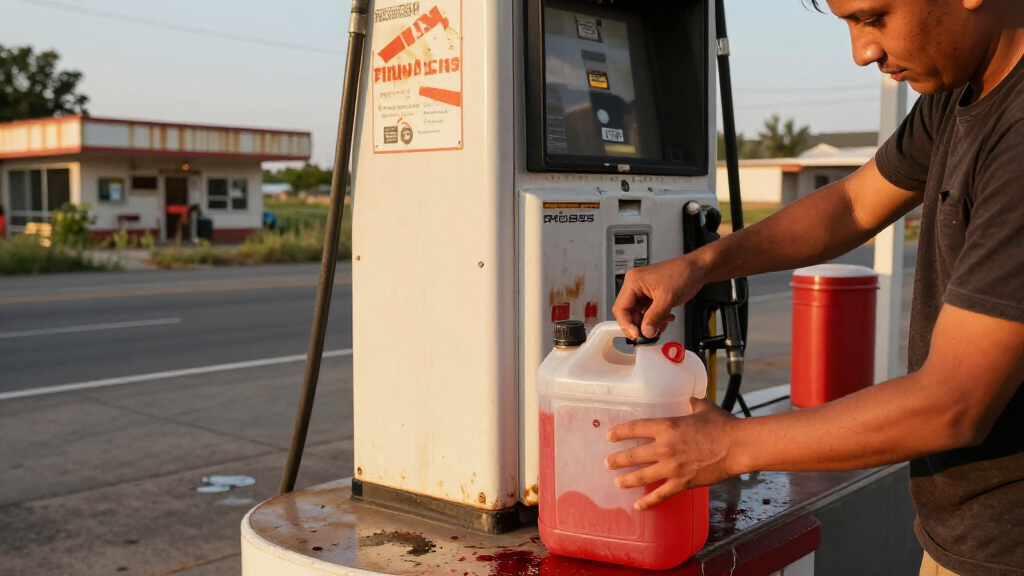
A lawsuit has been filed accusing ‘Freedom Fuel’ gas stations of selling stolen fuel. The case highlights ongoing issues with fuel theft and illegal sales in the industry. Details are still emerging.
A lawsuit has been filed accusing certain ‘Freedom Fuel’ gas stations of selling stolen fuel, marking a significant escalation in concerns over fuel theft and illegal sales. The complaint alleges that these stations engaged in practices that contributed to fuel theft operations, raising questions about regulatory oversight and criminal activity within the industry.
According to the lawsuit, filed in a federal court earlier this week, multiple ‘Freedom Fuel’ gas stations are accused of purchasing and reselling stolen fuel, which is a violation of federal and state laws. The complaint alleges that these stations knowingly bought fuel obtained through theft, then sold it to consumers, potentially at discounted prices. The plaintiffs, representing a coalition of fuel suppliers and law enforcement agencies, argue that this illegal activity undermines legitimate fuel markets and contributes to economic losses.
While the lawsuit does not specify the exact locations of the implicated stations, sources suggest that these outlets operate under the ‘Freedom Fuel’ brand across several states. The legal filing claims that investigators have uncovered evidence linking these stations to organized fuel theft rings, which have been active for months. Authorities have not yet confirmed whether the stations are directly involved or merely unwitting participants in the theft schemes.
Officials from the involved agencies have stated that they are reviewing the evidence and are committed to cracking down on illegal fuel sales. The lawsuit seeks financial damages, injunctive relief to prevent further illegal activity, and criminal charges against those involved. The case marks a rare legal move targeting fuel theft at this scale, highlighting the seriousness of the allegations.
Implications for Fuel Industry and Consumers
This lawsuit underscores ongoing concerns about fuel theft and illegal fuel sales, which can distort markets, reduce tax revenues, and pose safety risks. If proven true, the allegations could lead to increased regulatory scrutiny of gas stations and tighter enforcement measures. For consumers, the case raises awareness about the potential risks of buying fuel from unverified sources and highlights the importance of purchasing from reputable outlets. The legal action also signals that authorities are taking organized fuel theft seriously, which could result in more aggressive investigations and prosecutions in the future.
As an affiliate, we earn on qualifying purchases.
Rise of Fuel Theft and Industry Challenges
Fuel theft has been an ongoing issue in various regions, often linked to organized crime rings that siphon gasoline from pipelines, underground storage tanks, or stolen vehicles. Industry experts have noted a spike in theft incidents over the past year, driven by economic pressures and supply chain disruptions. Law enforcement agencies have increased efforts to combat fuel theft, but illegal operations remain persistent. The emergence of legal actions against specific brands like ‘Freedom Fuel’ reflects broader concerns about the integrity of fuel distribution channels and the challenges in policing these illicit activities.
Prior to this lawsuit, there have been sporadic reports of fuel theft rings operating covertly, but few cases have resulted in formal legal proceedings. The case against ‘Freedom Fuel’ stations appears to be among the first to publicly link a chain of retail outlets directly to the sale of stolen fuel, marking a potential turning point in industry oversight and law enforcement response.
gas station security camera system
As an affiliate, we earn on qualifying purchases.
As an affiliate, we earn on qualifying purchases.
Details of the Fuel Theft Scheme Still Unclear
It remains unclear how extensive the involvement of ‘Freedom Fuel’ stations is, whether they knowingly participated or were unwitting recipients of stolen fuel. The specific methods used to acquire and resell the stolen fuel are also not yet confirmed. Investigators are still gathering evidence, and the legal case is in its early stages, so many details about the scope and scale of the alleged operations remain undisclosed.
As an affiliate, we earn on qualifying purchases.
Legal Proceedings and Industry Impact Expected Soon
The lawsuit will proceed through the courts, with hearings scheduled over the coming months. Authorities are expected to continue investigations into the fuel theft rings, potentially leading to criminal charges against individuals or entities involved. Industry watchdogs anticipate increased regulatory scrutiny and possible policy changes aimed at preventing similar schemes in the future. Consumers and industry stakeholders will be watching closely for developments that could reshape oversight and enforcement practices in fuel retailing.
gasoline additive for engine protection
As an affiliate, we earn on qualifying purchases.
As an affiliate, we earn on qualifying purchases.
Key Questions
What specific allegations are made against ‘Freedom Fuel’ stations?
The lawsuit alleges that these stations purchased and sold stolen fuel, violating laws and contributing to organized fuel theft operations. However, detailed evidence is still being reviewed.
Are all ‘Freedom Fuel’ stations implicated or just a few?
The lawsuit does not specify exact locations, but suggests multiple outlets may be involved. Investigations are ongoing to determine the full scope.
What are the potential consequences for the stations involved?
If proven, they could face civil damages, criminal charges, fines, and loss of licensing. Law enforcement is actively pursuing these cases.
How common is fuel theft in the industry?
Fuel theft has been a persistent problem, often linked to organized crime. Authorities report a recent spike, but comprehensive legal actions remain limited.
What should consumers do to avoid buying stolen fuel?
Buy fuel only from reputable, well-known stations and be cautious of unusually low prices that may indicate illegal activity.
Source: rss
Fall Picks
fall essentials
As an affiliate, we earn on qualifying purchases.