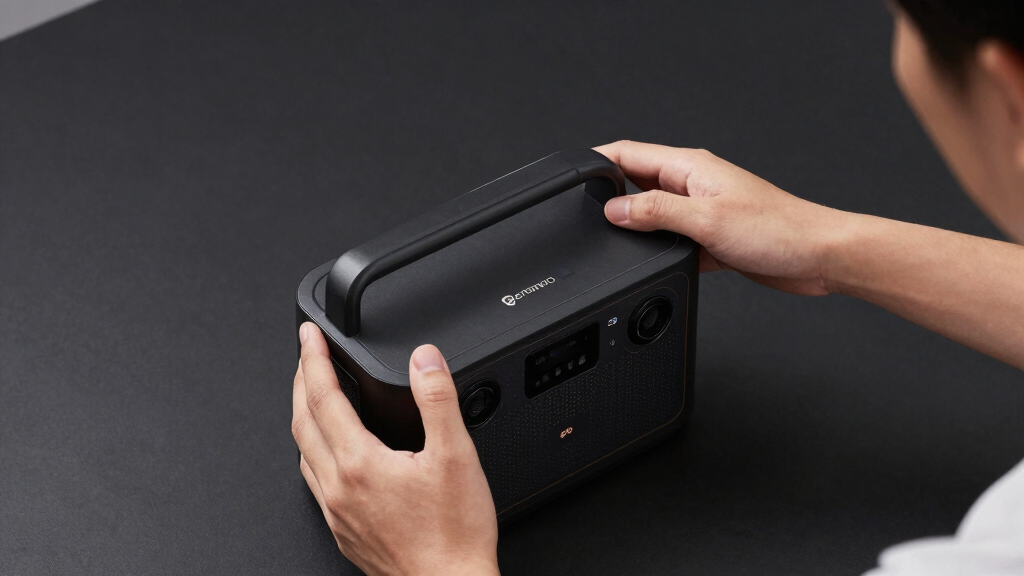
When selecting the best compact portable power station for overlanding, size, weight, and versatility are key. The Jackery Explorer 1000 v2 stands out for its reliable 1070Wh capacity and fast charging, making it a top overall choice. The Anker SOLIX C1000 Gen 2 offers impressive 2000W output with fast recharge times, perfect for heavy-duty needs, while the DJI Power 2000 excels in off-grid capacity with its 2048Wh battery. Buyers often face tradeoffs between size, power, and price — larger batteries mean more weight, but longer run times. Keep reading for a full breakdown of these options to find your best match.

Get business pricing on garage and car supplies
- Business-only prices and quantity discounts
- Tax-exempt purchasing
- Multiple users, one account, clear invoices
Key Takeaways
- The top picks balance power capacity with portability, with the Jackery Explorer 1000 v2 leading in overall reliability and size.
- High-wattage models like the Anker SOLIX C1000 excel for users needing to run multiple devices or power larger equipment.
- Battery chemistry impacts longevity and safety; LiFePO4 batteries such as those in Jackery and DJI models offer better cycle life.
- Recharging options vary, and fast recharge capabilities can significantly reduce downtime between trips.
- Size and weight remain key considerations; the most powerful models tend to be larger, so overlanding needs size-conscious choices.


More Details on Our Top Picks
Portable Power Station with AC Outlet, 99.9Wh, 60W Type-C, Emergency Backup, Black
This power station stands out for its ultra-lightweight design and versatile ports, making it an excellent choice for overlanders who prioritize portability without sacrificing basic power needs. Compared with larger models like the DJI Power 2000, it offers significantly less capacity, limiting its use to smaller devices and short outings. Its 99.9Wh battery is ideal for charging smartphones, small cameras, and LED lights, but cannot run high-wattage appliances or prolonged power-intensive equipment. The inclusion of multiple USB-C and Type-C PD ports ensures fast recharging of modern devices, but the 120W maximum AC output restricts larger gadgets. Tradeoffs: Its compact size sacrifices capacity, meaning it’s not suitable for extended power draws or larger appliances. Best for: Overlanders who need a light, reliable backup for essential electronics during short trips. Not ideal for: Those requiring sustained power for cooking or refrigeration.- High-capacity 99.9Wh battery
- Multiple fast-charging ports
- Compact and lightweight design
- Built-in fast charging cable
- Limited to 120W maximum output
- Not suitable for high-power devices
Pros:- Extremely portable at just 1.65 lbs for easy carry
- Versatile output options including USB-C PD and AC outlet
- Fast recharging with built-in cable for quick device topping off
Cons:- Limited to 120W maximum output, not suitable for high-power tools
- Battery capacity may fall short for longer trips with multiple devices
Best for: Overlanders needing a portable backup for small electronics during brief excursions
Not ideal for: Users who want to power larger appliances or need extended run times
- Battery Capacity:99.9Wh
- Output Ports:6 (1 AC, 2 Type-C PD 60W, 2 USB-C 15W, 1 DC 9-12V/10A)
- AC Power:120V, 120W(MAX)
- Dimensions:6.5 x 3.2 x 1.9 inches
- Weight:1.65 lbs (26.4 oz)
- Battery Type:LiCoO2
Bottom line: This compact power station is perfect for lightweight, short-term power needs for overlanding, but isn’t built for heavy-duty appliances.
Anker SOLIX C1000 Gen 2 Portable Power Station, 2000W (3000W Peak), 1024Wh LiFePO4 Battery, Fast Recharging, Solar Compatible
The Anker SOLIX C1000 Gen 2 excels in providing high power with a 1024Wh LiFePO4 battery and 2000W continuous output, making it a strong choice for overlanders who need to run multiple devices or small appliances. Compared with the DJI Power 2000, it offers a significantly smaller size and weight, boosting portability without sacrificing power. Its rapid 49-minute recharge time and solar compatibility make it highly adaptable for extended trips. The extensive port selection supports a variety of gadgets, but the premium price and limited weight details mean it’s less accessible for budget-conscious adventurers. Tradeoffs: Its high price and weight may be less appealing for ultralight travelers. Best for: Serious overlanders who require substantial power in a portable package. Not ideal for: Casual users with simple device needs or tight budgets.- High-capacity 1024Wh battery
- Fast recharge in under an hour
- Multiple ports for diverse device charging
- Lightweight and compact for its capacity
- Premium price may be prohibitive
- Limited detailed weight info
Pros:- High capacity and fast recharge time
- Supports multiple devices via 10 ports
- Lightweight for its power capacity, enhancing portability
Cons:- Premium price point may deter casual users
- Limited weight info makes packing decisions harder
Best for: Overlanders needing substantial, reliable power with fast recharging for extended trips
Not ideal for: Budget travelers or those who prefer ultra-light gear with minimal power needs
- Battery Capacity:1024Wh
- Power Output:2000W (3000W peak)
- Recharging Time:49 minutes
- Solar Recharging Time:1.8 hours
- Weight:Not specified
- Ports:10
Bottom line: This model is best suited for overlanders who need significant power and fast recharging in a portable form.
GRECELL Portable Power Station 300W, 288Wh Lithium Battery, Fast Charging, Solar Generator for Camping, RVs, Home Use
The GRECELL 300W offers a balanced mix of capacity and portability, making it ideal for overlanders who need to power multiple small devices without the bulk of larger units. Its 288Wh capacity is comparable to the smaller Jackery models but with added features like wireless charging and multiple recharging options, including solar. Compared with the Anker SOLIX C1000, it sacrifices capacity for a lighter, more manageable size suitable for short trips or emergency setups. Its 300W continuous power limits use to smaller appliances or multiple device charging, but it’s well-suited for camping, RV, or home backup. Tradeoffs: Limited power output restricts use to low-wattage devices, and charging times vary with method. Best for: Overlanders needing a versatile, mid-capacity power source for short trips and multiple device support. Not ideal for: Power-intensive appliances or extended off-grid use requiring high wattage.- 288Wh capacity
- Multiple recharging options including solar
- Supports simultaneous device charging
- Built-in safety features and LED flashlight
- Limited to 300W continuous output
- Charging time varies significantly by method
Pros:- Supports multiple devices with various ports
- Flexible recharging options including solar and car
- Built-in safety features and LED flashlight
Cons:- Limited to 300W continuous power
- Charging times may be longer with solar or car methods
Best for: Overlanders seeking a portable, mid-capacity power station for moderate device needs
Not ideal for: Those needing to power high-wattage appliances or long-duration off-grid power
- Power Output:300W (600W surge)
- Capacity:288.6Wh
- AC Outlets:1
- USB-C Port:1 (60W PD)
- USB-A Ports:3 (Fast charge 3.0)
- Recharging Methods:Wall, Solar, Car
- Charging Time:6-7 hours (wall), 5-9 hours (solar)
Bottom line: This power station fits overlanding trips with moderate power needs, offering flexibility but limited capacity for high-power devices.
DJI Power 2000 Portable Power Station, 2048Wh LFP Battery, 3000W Output, Fast Recharge, Off-Grid Suitable
The DJI Power 2000 offers an impressive 2048Wh capacity with a 3000W output, making it suitable for powering multiple appliances or larger devices over extended periods. Its fast recharge in just 55 minutes and quiet operation add to its appeal for serious overlanders and off-grid enthusiasts. Compared with the Anker SOLIX C1000, it is larger and heavier, which might reduce portability but greatly enhances power availability. The LFP battery provides excellent longevity, supporting thousands of cycles, yet the higher weight and expanded size mean it’s less suited for ultralight packing. Its wireless app control adds convenience for monitoring. Tradeoffs: Its size and weight could be a barrier for ultralight travelers, and expansion batteries cost extra. Best for: Overlanders who prioritize capacity, longevity, and quiet operation for extended trips. Not ideal for: Travelers who need a lightweight, compact solution for short, simple trips.- 2048Wh capacity
- 3000W maximum output
- Fast recharge in 55 minutes
- Expandable up to 22.5kWh
- Relatively heavy and bulky for portability
- Additional batteries cost extra
Pros:- High capacity suitable for powering multiple appliances
- Fast recharge time supports quick turnaround
- Quiet operation ideal for nighttime use
Cons:- Heavy and bulky compared to smaller units
- Additional batteries for expanded capacity cost extra
Best for: Overlanders needing substantial, reliable power with long-term expandability
Not ideal for: Lightweight backpackers or those with limited vehicle space
- Battery Capacity:2048Wh
- Battery Type:LFP (Lithium Iron Phosphate)
- Maximum Output:3000W
- Recharge Time:55 minutes to 80%
- Expansion Support:Up to 22.5kWh
- Noise Level:As low as 30 dB
Bottom line: This model is best suited for overlanders who need serious power capacity and long-term reliability over portability.
EnginStar Portable Power Station 300W 296Wh Battery Bank with 110V Pure Sine Wave AC Outlet for Outdoors, Camping, Emergency, and CPAP
The EnginStar 300W unit stands out for its portability and multiple charging options, making it ideal for those who prioritize mobility over sheer capacity. With a 296Wh battery and 300W continuous output, it can power smartphones, laptops, and even CPAP machines, but it falls short for running larger appliances or multiple devices simultaneously for extended periods. Compared to the Jackery Explorer 1000, this model offers less capacity, which limits its use to light-duty tasks. However, its lightweight design (just 6.5 pounds) and solar compatibility make it a practical choice for overlanders who need quick, reliable power on a day-to-day basis. The main tradeoff is its limited capacity and lack of included solar panel.
Pros:- Compact and lightweight at 6.5 pounds
- Multiple recharging options including solar, AC, and car
- Pure sine wave outlets protect sensitive electronics
Cons:- Limited to 300W output, not suitable for high-wattage devices
- Solar panel not included, adding to overall cost
- Charging speed can be affected by solar conditions
Best for: Overlanders seeking a portable, lightweight backup for small devices and emergency use.
Not ideal for: Those needing to power larger appliances or run devices continuously for several days without recharging.
- Capacity:296Wh
- Power Output:300W
- AC Outlets:2 (110V pure sine wave)
- Dimensions:9 x 5.5 x 7.5 inches
- Weight:6.5 pounds
- Battery Type:Lithium-ion
Bottom line: This pick makes the most sense for overlanders who need a lightweight, versatile backup for small devices rather than high-power appliances.
Jackery Explorer 1000 v2 Portable Power Station, 1070Wh LiFePO4 Battery, 1500W AC/100W USB-C, Fast 1-Hour Charge, Solar Generator for Camping, Emergency, RV, Off-Grid
The Jackery Explorer 1000 v2 offers a substantial 1070Wh capacity and a 1500W continuous power output, making it ideal for powering multiple devices or larger appliances during extended overlanding trips. Its fast charging technology can refill the battery in just one hour, a significant advantage over smaller models like the EnginStar. Compared to the smaller EnginStar, this unit is heavier at 23.8 pounds, but it compensates with durability and long-term battery health thanks to its LiFePO4 chemistry, rated for over 10 years of use. It’s best suited for overlanders who need reliable, high-capacity power to run multiple gadgets or small appliances for days at a time. The main limitation is its reliance on Jackery’s proprietary solar panels, which could add to the overall cost. This makes it a solid investment for serious off-grid living or extended trips.
Pros:- Large 1070Wh capacity for extended use
- Fast 1-hour recharge with advanced tech
- Long-lasting LiFePO4 battery with over 10 years lifespan
- Multiple output ports including USB-C and AC
Cons:- Requires proprietary Jackery solar panels, limiting flexibility
- Weight of nearly 24 pounds affects portability
- Price point may be high for casual users
Best for: Overlanders who need dependable, high-capacity power with rapid recharge and long lifespan, especially for extended excursions.
Not ideal for: Light or casual users who only need to charge small devices for short periods or those on a tight budget, due to higher cost.
- Capacity:1070Wh
- Battery Type:LiFePO4
- AC Output:1500W
- Surge Peak:3000W
- USB-C Ports:2
- Fast Charging:1 hour
- Weight:23.8 lbs
Bottom line: This model is best suited for overlanders who prioritize capacity, speed, and durability for long-term off-grid adventures.

How We Picked
These products were selected based on a combination of capacity, weight, output wattage, recharge speed, and overall build quality. Priority was given to models that balance size with power, suitable for overlanding where space and weight are at a premium. We also considered safety features, recharge options (solar compatibility), and user feedback on durability and usability. Products were ranked by evaluating their real-world performance potential, versatility, and value for off-grid adventures. Our goal was to highlight options that fit a range of overlanders—from casual campers to serious explorers—while maintaining a manageable size.
Factors to Consider When Choosing Best Compact Portable Power Station For Overlanding
Choosing the best compact power station for overlanding involves weighing several important factors. Size and weight are obvious considerations, but understanding power needs, recharge options, and durability can make a big difference in your experience. The right choice depends on your specific equipment, trip duration, and off-grid lifestyle. Here are key factors to keep in mind beyond just capacity when making your decision.Capacity and Power Output
Understanding your actual energy needs helps prevent over- or under-investing. Smaller capacity units may suffice for charging phones and small devices, but longer trips or higher power demands require larger batteries with higher watt-hour ratings. The wattage of the AC outlets and the surge capacity are also critical; devices like laptops and small appliances need stable, high-wattage outputs, so check that the power station can handle your gear’s startup surges without shutting down.
Size, Weight, and Portability
Size and weight directly impact how easily you can carry and store your power station during overlanding trips. Lightweight models are easier to pack but often come with lower capacity. Conversely, larger units with bigger batteries tend to be bulkier and heavier, which can be a challenge for small vehicles or minimal setups. Consider your vehicle space, packing strategy, and how often you’ll need to move the unit when choosing the right size.
Recharging Options and Speed
Fast recharging capabilities and multiple options—such as solar, AC wall, or 12V car adapters—add flexibility and reduce downtime. Solar compatibility is especially valuable for long trips, but solar panels need to be efficient and compatible with your power station. Recharging speed matters if you use your station frequently or have limited downtime between trips, so look for models with fast recharge features that fit your plans.
Durability and Safety Features
Overlanding exposes gear to rougher conditions, so durability is essential. Look for ruggedized enclosures and reliable battery chemistries like LiFePO4, which offer longer cycle life and safer operation. Safety features like overcharge, over-discharge, and short-circuit protection help prevent damage and ensure safe use in remote settings. Avoid cheaply built units that may fail under demanding conditions.
Price and Value
While higher capacity and advanced features come at a premium, they can also deliver better long-term value by lasting longer and providing more reliable performance. Cheaper models may save money upfront but often lack durability or sufficient power for serious overlanding needs. Balance your budget with your expected use—spending more on a reliable, well-made unit can pay off over multiple trips.
Frequently Asked Questions
How do I determine what size power station I need for my overlanding setup?
To determine your size needs, list all devices you plan to power and check their wattage. Add up the surge power for devices with motors or compressors. Consider your trip duration and whether you’ll need to recharge the station via solar or grid. For most overlanders, a capacity around 1000Wh to 2000Wh balances portability with enough power to keep essentials running, but heavier-duty setups will require larger batteries. Always choose a model that can comfortably handle your peak power demands to avoid outages.
Can I run my refrigerator or high-power appliances with these stations?
Running high-power appliances like refrigerators depends on the wattage capacity of the power station. Many compact units cannot handle the surge wattage needed for appliances with motors. For consistent use of such devices, look for models with high continuous wattage ratings—around 2000W or more—and surge capacity that exceeds your appliance’s startup demand. Keep in mind that larger capacities add weight, so balance your need for power with portability.
How important is solar compatibility for an overlanding power station?
Solar compatibility offers the convenience of recharging your power station off-grid, which is invaluable for extended trips. The efficiency of solar panels and compatibility with your station’s input wattage determine how quickly you can recharge under sunlight. Even if you don’t plan to use solar immediately, having that option provides redundancy and reduces reliance on external power sources. Choosing a model with good solar compatibility helps keep your setup self-sufficient in remote locations.
What safety features should I look for in a portable power station?
Safety features like overcharge, over-discharge, short-circuit, and thermal protection are essential for reliable operation, especially in rugged overlanding environments. These features prevent damage to the battery and connected devices, reducing risks of fires or failures. Additionally, look for units with durable, ruggedized cases and certifications from recognized safety standards. Well-designed safety features give peace of mind and ensure your equipment remains protected during tough conditions.
Is it worth investing in a more expensive, higher-capacity power station?
Higher-capacity models often come with better build quality, longer cycle life, and more versatile features, making them a worthwhile investment for frequent or extended trips. They provide more power for longer durations and can handle larger or multiple devices simultaneously. However, they tend to be heavier and bulkier, which might be a drawback for minimal setups. If you rely heavily on off-grid power, spending more upfront can lead to better reliability and longer-term savings, but for casual use, a smaller, less expensive model may suffice.
Conclusion
For casual overlanders or weekend campers, the Jackery Explorer 1000 v2 offers a reliable balance of size and power, making it the best overall choice. Those needing more robust capabilities, like powering larger appliances or running off-grid for extended periods, should consider the Anker SOLIX C1000 Gen 2 for its higher wattage and capacity. Budget-conscious adventurers will find the GRECELL Portable Power Station a solid entry point, while premium users seeking maximum capacity and safety might prefer the DJI Power 2000. Newcomers should prioritize ease of use and safety features, whereas seasoned overlanders should look for durability and expandability. Ultimately, your choice depends on your power needs, trip length, and how much weight you’re willing to carry.
Halloween Picks
halloween
As an affiliate, we earn on qualifying purchases.