
TL;DR

Get business pricing on garage and car supplies
- Business-only prices and quantity discounts
- Tax-exempt purchasing
- Multiple users, one account, clear invoices
Many electric vehicle manufacturers only promote a single horsepower figure, despite EVs having a second, higher rating. This practice is drawing scrutiny as consumers seek clearer performance information.
Automakers are predominantly advertising only one horsepower rating for electric vehicles, despite most EVs possessing a second, higher horsepower figure that is not publicly disclosed. This practice has gained attention as consumer interest in EV performance metrics increases, raising questions about transparency and marketing strategies.
Electric vehicles (EVs) typically have two horsepower ratings: a continuous or ‘nominal’ figure that manufacturers often promote, and a peak or ‘max’ horsepower that can be significantly higher. However, most automakers only advertise the lower, continuous rating, which is considered more representative of everyday driving conditions.
This trend has been observed across multiple brands, with industry analysts noting that the undisclosed higher horsepower figures can be up to 30-50% greater than the advertised number. The practice is rooted partly in marketing strategies aimed at emphasizing efficiency and reliability, but it has also raised concerns about consumer transparency.
Search interest and coverage on this topic have surged recently, driven by consumer advocacy groups and industry watchdogs questioning whether automakers should disclose both figures for a clearer understanding of vehicle performance. While no official regulation mandates disclosure of both ratings, some experts suggest that full transparency could influence purchasing decisions and trust.
Implications for Consumer Transparency and Trust
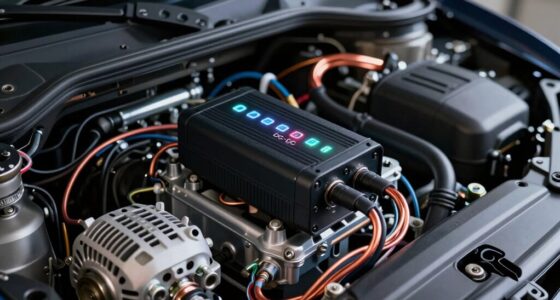
HTML: This practice impacts how consumers understand EV performance, potentially leading to inflated expectations. Transparency about both horsepower ratings could influence purchasing decisions and affect automaker reputation, especially as EVs become more mainstream and competitive. Clear disclosure might also lead to more informed comparisons between models, fostering greater trust in the EV market and encouraging manufacturers to be more transparent about their vehicles’ capabilities.electric vehicle horsepower tester
As an affiliate, we earn on qualifying purchases.
As an affiliate, we earn on qualifying purchases.
Background on EV Horsepower Ratings and Marketing Practices
HTML: Most electric vehicles have two horsepower ratings: a continuous or ‘nominal’ figure, which is often used in marketing, and a peak or ‘max’ horsepower, which represents the vehicle’s maximum power output under ideal conditions. Historically, automakers have favored advertising the lower, more conservative figure to emphasize reliability and efficiency. This trend has persisted even as consumer interest in raw performance metrics has grown. Recent coverage and search interest have spiked, driven by reports and consumer advocacy highlighting the discrepancy between advertised and actual performance potential. The practice is not new but is now under increased scrutiny amid broader calls for transparency in EV marketing.As an affiliate, we earn on qualifying purchases.
Extent and Regulation of Horsepower Disclosure Practices
HTML: It is not yet clear how widespread the practice of hiding the second horsepower rating is across all automakers or whether regulatory bodies are considering mandates for full disclosure. The exact methods used by manufacturers to calculate and present these ratings also vary, and the impact on consumer perceptions remains under study. Ongoing investigations and industry discussions could lead to changes, but current policies and practices are not fully defined.electric car peak horsepower gauge
As an affiliate, we earn on qualifying purchases.
As an affiliate, we earn on qualifying purchases.
Potential Industry and Regulatory Responses
HTML: Industry stakeholders and regulators may consider establishing clearer guidelines for horsepower rating disclosures, possibly requiring automakers to present both figures transparently. Consumer advocacy groups are likely to continue pressuring for greater transparency, and automakers might adapt their marketing to include both ratings to build trust. Monitoring of regulatory developments and industry standards is expected to intensify over the coming months as EV adoption expands.As an affiliate, we earn on qualifying purchases.
Key Questions
Why do automakers only advertise one horsepower rating for EVs?
Automakers often promote the lower, continuous horsepower rating to emphasize reliability and efficiency, while the higher peak horsepower is typically omitted from marketing materials.How much higher can the peak horsepower be compared to the advertised figure?
Industry estimates suggest the peak horsepower can be up to 30-50% higher than the advertised, continuous rating, but specific differences vary by model and manufacturer.Is there any regulation requiring disclosure of both horsepower ratings?
Currently, there is no universal regulation mandating the disclosure of both ratings, though some consumer advocates and industry groups are calling for such standards.Will this practice affect EV buyers’ decisions?
Potentially, yes. Transparency about both horsepower figures could influence purchasing choices, especially among consumers seeking high-performance vehicles.Are other performance metrics affected by this practice?
While this issue specifically concerns horsepower ratings, similar transparency concerns exist around other metrics like torque, range, and charging speed.Source: rss
Halloween Picks
halloween
As an affiliate, we earn on qualifying purchases.