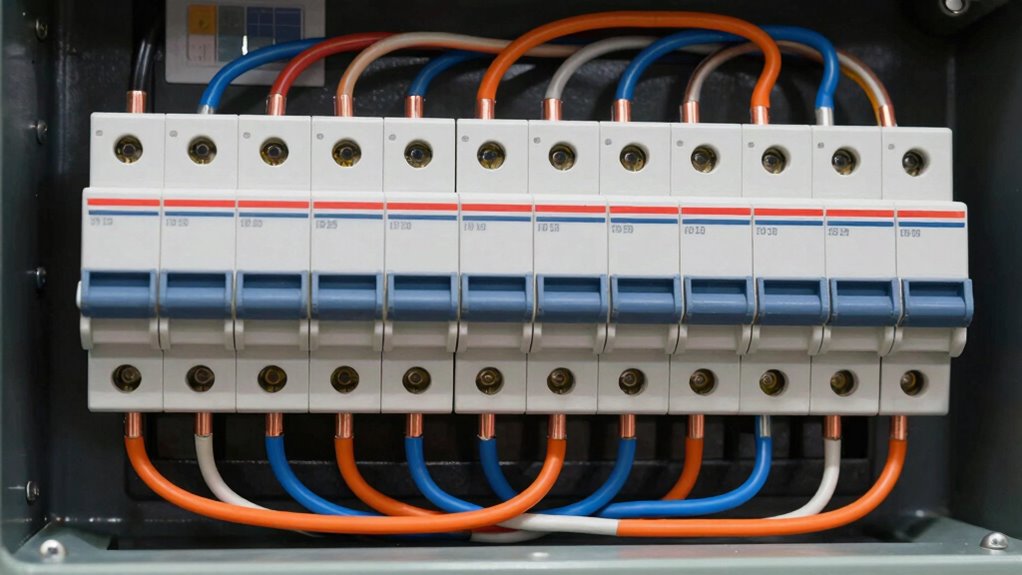
To choose safe wiring and fusing, first consider the electrical load of your appliances by calculating their total current draw. Match wire gauge to this load using standard charts, guaranteeing it can handle the current safely. Select fuse or circuit breaker ratings that match this load for overcurrent protection. Always follow local electrical codes and environmental needs to ensure proper insulation, grounding, and protection. If you keep these factors in mind, you’ll make informed choices for a safe electrical setup.

Get business pricing on garage and car supplies
- Business-only prices and quantity discounts
- Tax-exempt purchasing
- Multiple users, one account, clear invoices
Key Takeaways
- Calculate the electrical load accurately to determine the appropriate wire gauge and fuse rating.
- Follow local electrical codes and standards for wiring methods, insulation, and protective devices.
- Choose wires with high-quality, environment-resistant insulation suited to installation conditions.
- Use properly rated circuit breakers or fuses that match the system’s maximum current capacity.
- Regularly inspect wiring and protective devices for damage or wear to maintain safety and compliance.
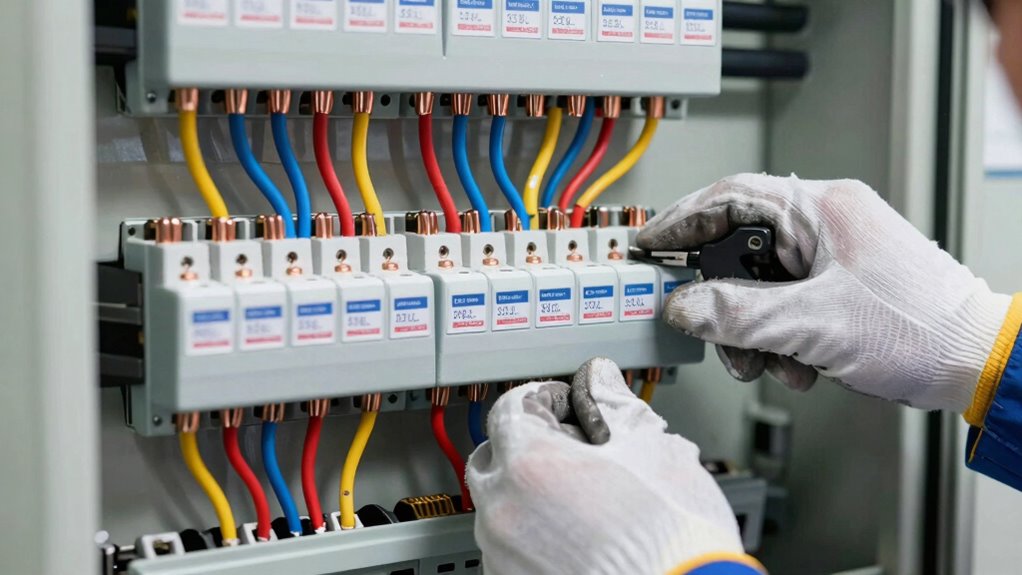
Choosing safe wiring and fusing is essential for ensuring electrical safety in any building. When you’re selecting electrical components, you need to consider the grounding practices involved. Proper grounding helps prevent electrical shocks and minimizes the risk of fire by safely directing excess current into the ground. Make sure your wiring system includes a solid ground connection, especially if you’re working with modern appliances or sensitive electronic devices. Faulty grounding can lead to dangerous situations, so verify that grounding conductors are correctly installed and meet local electrical codes. Ensuring grounding practices are correctly followed is vital for comprehensive safety. Additionally, using appropriate wiring methods ensures that all connections are secure and compliant with safety standards, reducing the risk of electrical faults. Wire insulation plays a critical role in maintaining safety. You want to choose wires with high-quality insulation that can withstand environmental factors such as heat, moisture, and physical wear. Good wire insulation prevents accidental contact with live wires, reducing the risk of shocks and short circuits. When inspecting existing wiring or installing new wiring, look for insulation that’s intact and free from cracks or damage. If the insulation is compromised, it’s essential to replace the affected cables immediately to ensure safety and compliance with electrical standards. Another key aspect is matching the wire gauge to the electrical load it will carry. Too thin a wire can overheat, leading to insulation melting or fire hazards. Conversely, using a wire that’s too thick may be unnecessary and costly. To determine the right gauge, consider the current your appliances will draw and consult electrical charts or professionals to make an accurate choice. Properly rated fuses or circuit breakers should be installed to protect against overloads. These devices will trip or blow when excess current flows, preventing wires from overheating and causing fires. Additionally, understanding electrical load calculations can help in selecting appropriate protective devices, ensuring your system remains safe and efficient. Being aware of code compliance is also crucial, as it ensures your wiring setup adheres to all safety standards and regulations. Moreover, staying informed about environmental factors can help you choose wiring and insulation suited to your specific indoor conditions, further enhancing safety.
As an affiliate, we earn on qualifying purchases.
Frequently Asked Questions
How Do I Determine the Appropriate Wire Gauge for My Project?
You determine the appropriate wire gauge by considering your project’s current load and matching it with the correct wire insulation type. Check fuse ratings to verify they’re compatible with your wiring; the fuse should protect the wire from overcurrent. Use a wire gauge chart to find the right thickness based on your amperage needs, guaranteeing safety and efficiency without guesswork. Always follow electrical codes and manufacturer recommendations.
What Are the Signs of Faulty Wiring or Fuses?
You’ll notice faulty wiring or fuses if you see the wiring color showing signs of damage or discoloration, or if fuses blow frequently. Look for scorch marks or a burnt smell around the fuse box. Faulty wiring might cause flickering lights or power outages, while blown fuse types are a clear sign. Always replace damaged wiring and blown fuses promptly to guarantee safety and proper functioning of your electrical system.
Can I Upgrade My Existing Wiring and Fusing System?
Yes, you can upgrade your existing wiring and fusing system. First, make certain you understand wire color codes for proper connections and select fuse types compatible with your circuits. You might need to replace older wires with newer, higher-capacity ones and upgrade to fuses that provide better protection. Consulting a professional electrician helps ensure safety and compliance with electrical codes during the upgrade.
How Often Should Wiring and Fuses Be Inspected or Replaced?
An ounce of prevention is worth a pound of cure. You should inspect your wiring and fuses at least every 3-5 years, or sooner if you notice issues like flickering lights or frequent trips. Regular checks guarantee compliance with electrical codes and help prevent fire hazards. Replacing worn or outdated wiring and fuses promptly keeps your home safe and avoids costly repairs later. Stay proactive and keep safety a priority.
What Safety Precautions Should I Take When Working With Electrical Wiring?
When working with electrical wiring, you should always wear safety equipment like insulated gloves and goggles to protect yourself. Verify proper grounding practices to prevent electric shocks, and turn off power before starting. Use a voltage tester to confirm circuits are de-energized. Keep your workspace dry and organized, and never work alone. Following these precautions minimizes risks and keeps you safe during electrical projects.
circuit breaker with appropriate rating
As an affiliate, we earn on qualifying purchases.
As an affiliate, we earn on qualifying purchases.
Conclusion
By understanding your electrical needs and choosing the right wiring and fusing, you considerably reduce the risk of fires and electrical failures. Remember, nearly 50% of electrical fires are caused by improper wiring or fusing—highlighting the importance of making informed choices. Don’t guess or cut corners; invest in quality components and professional guidance. Doing so not only protects your property but also ensures safety for everyone in your home or business.
high-quality insulated electrical wiring
As an affiliate, we earn on qualifying purchases.
As an affiliate, we earn on qualifying purchases.
grounding wire for electrical systems
As an affiliate, we earn on qualifying purchases.
As an affiliate, we earn on qualifying purchases.
Fall Picks
fall essentials
As an affiliate, we earn on qualifying purchases.