When jump-starting with a power station, many forget to check compatibility and turn off both devices before connecting clamps. Always wear safety glasses, keep clamps away from each other and moving parts, and attach positive first, then negative to an unpainted metal surface—never directly to the negative terminal. After starting the vehicle, turn off the power station before disconnecting clamps in reverse order. Want to avoid common mistakes? Keep going for essential safety tips you might overlook.
Key Takeaways
- Always turn off the power station before connecting or disconnecting clamps to prevent sparks.
- Attach the positive clamp to the positive terminal first, then connect the negative clamp to an unpainted metal surface.
- Ensure the power station is fully charged and in good condition before jump-starting.
- Keep clamps away from each other and moving parts during connection to avoid shorts or injuries.
- Turn off the power station before removing clamps, disconnecting in the reverse order of connection.

When your car battery dies unexpectedly, a portable power station can be a reliable and convenient solution to jump-start your vehicle. However, even with this handy device, safety should always come first. Many people overlook critical safety precautions and may not pay enough attention to battery compatibility, which can lead to dangerous situations or damage to your vehicle and equipment. Before you attempt to jump-start, take a moment to review your power station’s specifications and verify it’s compatible with your car’s battery. Not all batteries are the same—some require higher voltage or amperage, and using an incompatible power station could cause sparks, damage your battery, or pose a safety risk. Always check the manufacturer’s guidelines for both your vehicle and the power station to confirm compatibility. Additionally, understanding the thermal behavior of batteries during jump-starts can help prevent overheating or potential hazards.
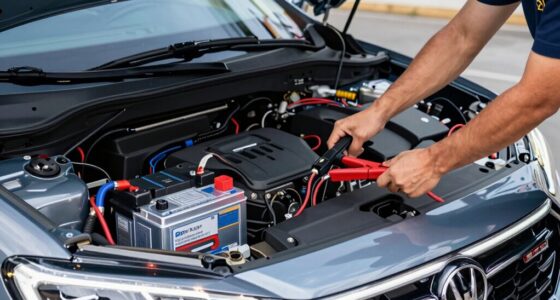
Once you’re sure the device is suitable, focus on safety precautions. First, turn off your vehicle and remove the keys. Make sure your power station is fully charged and in good working condition. When connecting the clamps, attach the positive (red) clamp to the positive terminal on your battery first, then connect the negative (black) clamp to an unpainted metal surface away from the battery—never directly to the negative terminal, as this can cause sparks or explosions. Keep the clamps away from each other and any moving parts while connecting to prevent accidental shorts. Also, ensure the power station is turned off before you make any connections.
During the jump-start process, avoid leaning directly over the battery and keep your face away from the terminals. Always wear safety glasses and gloves if available. Once everything is connected properly, turn on the power station and attempt to start your vehicle. If it doesn’t start immediately, wait a few moments and try again, but don’t crank the engine excessively—this can cause overheating or damage. After your vehicle starts, disconnect the clamps in the reverse order: black clamp first, then red. Make sure all connections are secure before disconnecting to prevent sparks.

400W Power Inverter 12V DC to 110V AC, Car Charger Plug in Adapter Outlet with PD 65W USB-C&QC 18W Port, Portable Power Converters for Laptop Vehicles Camping Road Trip Essentials Adults
【𝐄𝐏𝐀𝐍𝐄𝐄 𝐏𝐨𝐰𝐞𝐫 𝐈𝐧𝐯𝐞𝐫𝐭𝐞𝐫 𝐁𝐚𝐬𝐢𝐜𝐬】: Our power inverter produces Watts continuous DC to AC power and 800 Watts instantons...
As an affiliate, we earn on qualifying purchases.
Frequently Asked Questions
Can I Jump-Start a Motorcycle With a Power Station?
Yes, you can jump-start a motorcycle with a power station if it has compatible batteries and sufficient capacity. Check the power station’s capacity to verify it can deliver enough current, typically around 150-200 amps for motorcycles. Make sure the power station matches your motorcycle’s battery voltage, usually 12V. Always follow safety rules to avoid sparks or damage, and double-check connections before starting.
What Should I Do if Sparks Occur During Connection?
A spark is a sign to pause and reassess; safety first. If sparks occur during connection, immediately disconnect the cables to prevent electrical damage or injury. *Make certain* proper grounding precautions are followed, and use spark prevention techniques like connecting the negative terminal away from the battery. Always double-check your connections before proceeding, because a moment’s caution can prevent a costly or dangerous mistake.
Is It Safe to Jump-Start in the Rain?
Jump-starting in the rain isn’t safe because rain safety and weather precautions are vital. Wet conditions increase the risk of electrical shock and damage to your vehicle’s electrical system. If you must jump-start, make certain both vehicles are turned off, connect the cables properly, and avoid direct contact with water. It’s best to wait for clear weather to minimize hazards and guarantee your safety during the process.
How Long Should I Keep the Power Station Connected?
You should keep the power station connected for about 10-15 minutes after jump-starting to guarantee proper battery maintenance. This helps the battery recharge and maintain its lifespan, preventing damage from quick discharges. Avoid leaving it connected too long, as overcharging can harm the power station. Regularly monitoring the battery and following manufacturer recommendations will keep your power station running efficiently and extend its overall lifespan.
Can a Power Station Damage My Vehicle’s Electronics?
A power station can damage your vehicle’s electronics if you ignore battery safety and electrical compatibility. While they’re designed to help, mismatched voltage or improper connections can cause surges, frying sensitive components. Always verify your power station’s output matches your vehicle’s battery specifications, and follow safety guidelines. Think of it as a careful dance—staying synchronized prevents damage and keeps your vehicle’s electronics safe during jump-starts.

YONHAN Battery Charger 20A 12V/24V LiFePO4 Lead Acid Fully Automatic Battery Maintainer, Car Battery Trickle Charger Automotive w/Repair, Winter Mode, for AGM, STD, Gel, Deep Cycle Batteries
[20A Suitable for LiFePO4 Lead-acid Battery Charger] 12V 20 Amp, 24V 10Amp 7-stage quick battery charger, Designed to...
As an affiliate, we earn on qualifying purchases.
Conclusion
Remember, a power station is like a trusted friend guiding you through darkness. When you follow safety rules, you’re holding the lantern high, illuminating the path and avoiding shadows of danger. Disregard them, and you risk losing your way, caught in a storm of sparks and sparks of chaos. Respect the symbols of safety, and you’ll keep your journey bright and secure, turning a potentially risky task into a confident step forward.

OPTIMA® Batteries Digital 400+ 12 Volt Battery Maintainer and Charger for AGM, Lithium, Automotive, Marine and Powersport Batteries
Digital battery type selector: OPTIMA AGM, OPTIMA Li, Auto/Marine, Power Sport Lead Acid batteries
As an affiliate, we earn on qualifying purchases.

DEWALT Tire Inflator Portable Air Compressor 20V MAX, Car Air Pump with Automatic Shut Off, LED Light, Tool Only (DCC020IB)
High-pressure inflation mode with automatic shutoff
As an affiliate, we earn on qualifying purchases.