
Taking shortcuts with wiring gauge or neglecting proper battery isolation can cause unintended drain, leading to battery depletion, system failures, and potential damage. Using wires that are too thin increases resistance and heat, while poor isolation allows batteries to drain each other even when off. These mistakes create long-term issues that can be costly and unsafe. To avoid these problems, it’s essential to follow best practices—stick around if you want to learn more about proper setups.
Key Takeaways
- Using undersized wiring increases resistance, causing battery drain and system inefficiency.
- Poor or incomplete battery isolation allows batteries to drain each other over time.
- Rushing installation often leads to shortcuts in wiring gauge and isolation, creating persistent drain issues.
- Neglecting proper wiring techniques results in heat buildup and electrical losses, draining batteries faster.
- Failing to implement correct wiring and isolation practices compromises system reliability and accelerates battery depletion.
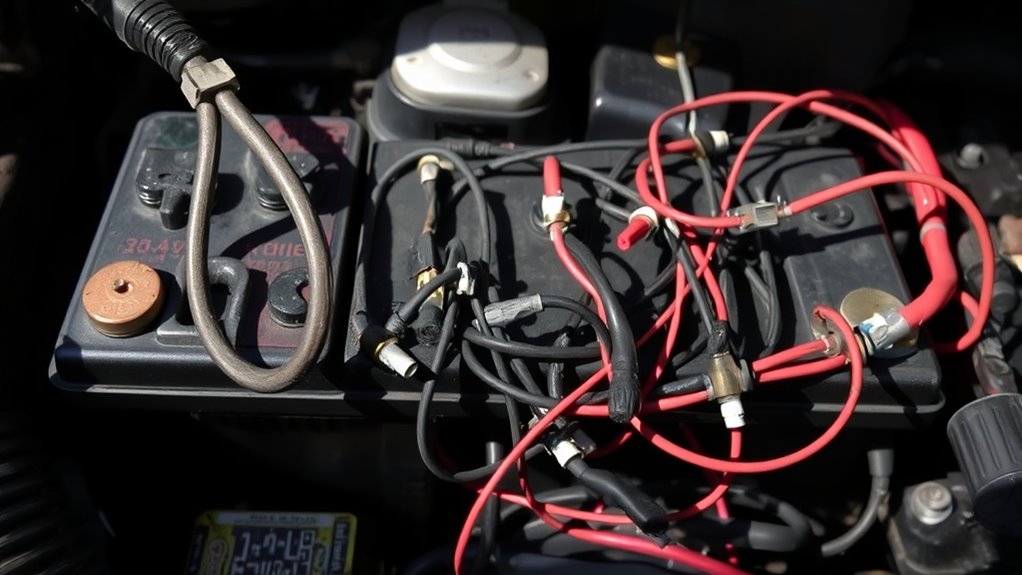
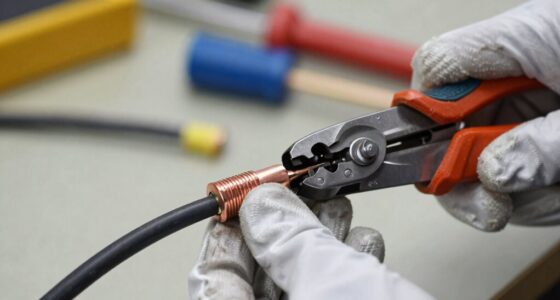
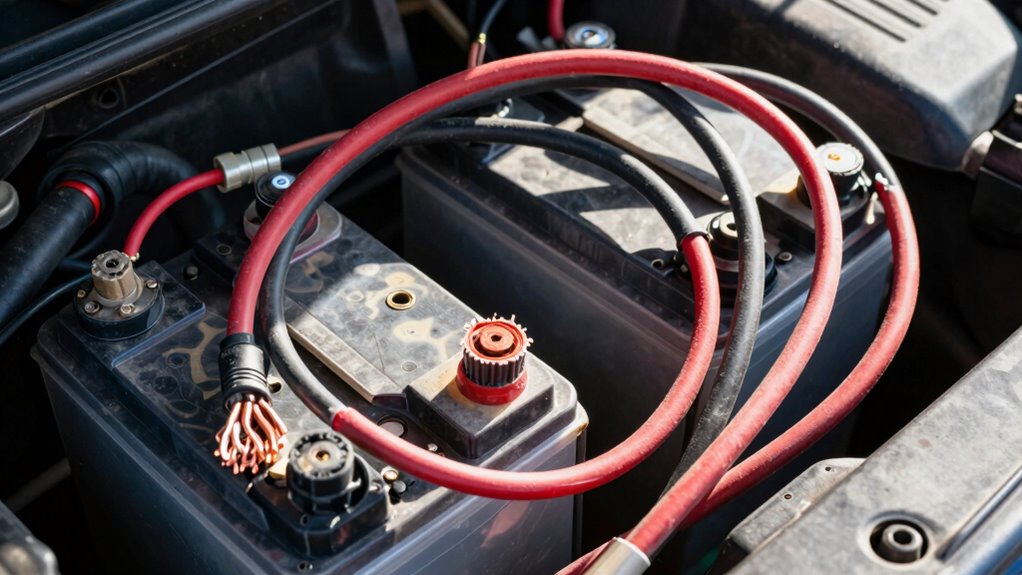
Many people overlook the importance of proper wiring gauge selection and battery isolation, rushing through the installation to save time. This shortcut might seem harmless initially, but it can lead to persistent electrical problems. For instance, inadequate isolation can cause your batteries to continuously drain each other, draining power when you need it most. Similarly, undersized wiring can cause excessive resistance, reducing overall system efficiency and risking damage to your batteries or accessories. It’s tempting to cut corners, but investing in the right battery isolation system and selecting the proper wiring gauge pays off in the long run by delivering a safer, more reliable dual battery setup. Additionally, understanding the proper wiring techniques ensures that your setup can handle future upgrades and expansions without issues.
Frequently Asked Questions
Can Dual Battery Wiring Damage My Vehicle’s Main Electrical System?
Yes, improper dual battery wiring can damage your vehicle’s main electrical system. If you skip proper battery isolation or use inadequate fuse ratings, it can cause electrical surges or drain, risking damage. Always verify you install appropriate fuses and maintain proper battery isolation to protect your vehicle’s wiring. Correct wiring practices prevent electrical faults, keep your system safe, and extend the lifespan of both batteries and your vehicle’s electrical components.
What Are the Signs of a Wiring Mistake Causing Battery Drain?
You might notice battery drain symptoms like your vehicle’s battery dying overnight or difficulty starting. Wiring mistake indicators include flickering lights, a constantly running alternator, or frequent electrical issues. If you see these signs, check your wiring connections for mistakes like improper grounding or crossed wires. Addressing wiring errors promptly prevents further damage and guarantees your dual battery system works efficiently without draining your main battery unexpectedly.
Is Professional Installation Necessary for Dual Battery Systems?
Think of wiring your dual battery system like building a bridge; it’s best to have a skilled auto electrician craft it, ensuring safety and reliability. While DIY wiring might seem tempting, a professional installation guarantees proper connections and avoids costly mistakes. An auto electrician brings expertise, preventing drain issues caused by wiring shortcuts. So, for peace of mind and long-term performance, investing in professional help is the smart choice.
How Long Does It Take to Fix Wiring Errors in Dual Battery Setups?
Fixing wiring errors in your dual battery setup typically takes a few hours, depending on the complexity. You should plan for wiring diagnostics to identify the specific issues, then allocate time for repair. If you’re experienced, it might be faster, but if not, consider professional help to guarantee the job’s done correctly. Proper diagnosis and careful repair will prevent further drain and keep your system running smoothly.
Are There Specific Tools Recommended for Troubleshooting Wiring Issues?
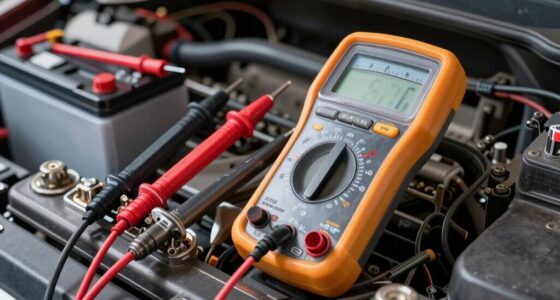
When troubleshooting wiring issues, you should use a multimeter for testing voltage, continuity, and resistance to pinpoint problems quickly. Wiring diagrams are essential, helping you follow the correct connections and identify errors. Always start by checking your connections with the multimeter, guaranteeing everything matches the diagram. This approach saves time, prevents mistakes, and ensures your dual battery setup functions properly without draining power unnecessarily.
Conclusion
If you ignore these wiring mistakes, your dual battery setup could turn into a silent monster draining power faster than a black hole devours stars. One wrong connection, and you might as well be tossing your batteries into a bottomless pit of endless drain and chaos. Don’t let simple shortcuts turn your adventure into a nightmare. Fix those mistakes now, or risk losing your batteries forever to the mysterious abyss of wiring errors!