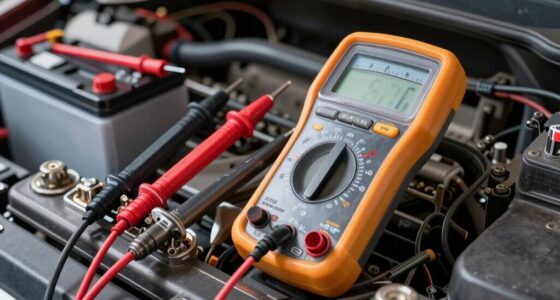
Backfeeding happens when wiring mistakes cause electrical current to flow backward into your main system, which can make chargers and devices act oddly. This usually occurs if there’s improper wiring, like using incorrect connections or missing transfer switches. When backfeeding happens, it can damage equipment or create safety hazards, including shocks or fires. Understanding how wiring errors lead to backfeeding is important, and if you keep exploring, you’ll discover more about how to prevent this dangerous mistake.
Key Takeaways
- Backfeeding occurs when power flows backward into a system due to wiring errors, causing chargers to malfunction.
- Incorrect wiring or absence of transfer switches can allow current to reverse, impacting charger behavior.
- Using improper or miswired connections can send current from loads back into power sources or chargers.
- Backfeeding can make chargers act weird by forcing them to draw or send power incorrectly.
- Proper wiring diagrams, safety devices, and transfer switches prevent backfeeding and ensure chargers operate normally.
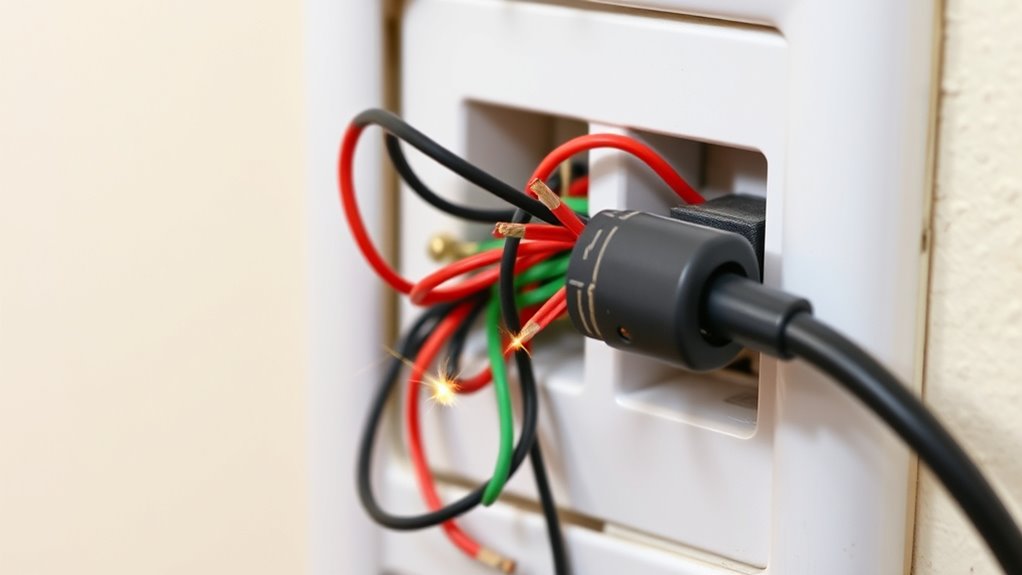
Backfeeding occurs when electricity flows from a source, like a generator or an alternate power supply, back into the main electrical system. This situation can be dangerous if not handled properly, especially when it comes to charging devices or maintaining your home’s wiring safety. When chargers act weird or appliances malfunction unexpectedly, backfeeding might be the culprit. It’s crucial to understand how proper wiring diagrams are designed to prevent this issue, safeguarding your setup remains safe and efficient.
Backfeeding risks occur when improper wiring causes electricity to flow backward into your main system.
One common mistake that leads to backfeeding is improper wiring, which often stems from misreading or neglecting wiring diagrams. These diagrams are critical because they show you exactly how to connect your power sources, loads, and safety devices. If you don’t follow them precisely, you risk creating a path for electricity to flow backward into your main system. This can cause damage to your appliances, pose safety hazards, or even lead to electrical fires. That’s why paying close attention to wiring diagrams when setting up backup power systems or connecting generators is so essential.
Battery safety also plays a significant role here. When working with batteries—such as in backup power setups or solar systems—you need to guarantee your wiring is correct and your batteries are properly protected. Incorrect wiring can cause a battery to discharge unexpectedly or deliver power in unintended directions, leading to backfeeding. Properly rated fuses, disconnect switches, and grounding are essential components that prevent this. Always double-check that your wiring diagrams specify safe connections, including how to connect batteries safely, avoiding accidental backflow of current.
If you’re installing a generator or any alternate power source, never skip reviewing the wiring diagrams provided by the manufacturer or a qualified electrician. These diagrams will guide you on how to incorporate transfer switches or breaker panels to isolate your main system from the generator. Doing so prevents backfeeding into the grid or neighboring systems, which could be hazardous to utility workers or your household. Remember, a small mistake in wiring can turn a simple backup setup into a safety nightmare. Additionally, understanding vetted wiring practices helps ensure your setup complies with safety standards and reduces the risk of backfeeding issues.
Frequently Asked Questions
Can Backfeeding Cause Permanent Damage to Chargers?
Backfeeding can cause permanent damage to chargers if you experience grounding issues or circuit overloads. When backfeeding occurs, it forces electricity through unintended paths, potentially damaging internal components. Over time, repeated exposure to these electrical stresses can weaken or ruin your charger permanently. To avoid this, make certain proper wiring and prevent circuit overloads, keeping your chargers safe from the risks associated with backfeeding.
How Can I Detect if My Wiring Has Backfeeding Issues?
You can detect backfeeding issues by inspecting for grounding problems, testing circuits, and observing device behavior. Look for signs like unexpected power flow, buzzing noises, or malfunctioning chargers. Use a multimeter to check for proper grounding and continuity. If your charger or outlets behave oddly, perform circuit testing to identify wiring flaws. Addressing grounding issues early helps prevent damage, ensuring your devices operate safely and efficiently without risking backfeed-related problems.
What Safety Precautions Should I Take During Wiring Repairs?
When wiring repairs, you should always turn off the power at the breaker to prevent shocks and avoid grounding issues. Wear insulated gloves and use proper tools to protect yourself. Check for circuit overloads before starting, making sure circuits aren’t overloaded, which can cause overheating or fires. Never work alone, and if you’re unsure about wiring, consult a professional to guarantee safety and proper grounding, preventing future electrical problems.
Are Certain Chargers More Susceptible to Backfeeding Problems?
Did you know that nearly 60% of charging issues are linked to grounding issues? Some chargers are more susceptible to backfeeding problems because of wiring compatibility and design flaws. You should pay attention to your charger’s specifications and guarantee proper grounding. Less compatible chargers with complex wiring are more prone to backfeeding, causing weird charger behavior. Always check the manufacturer’s instructions to prevent grounding issues and wiring mishaps.
How Does Backfeeding Affect Overall Electrical System Efficiency?
Backfeeding reduces your electrical system’s efficiency by causing power loss and voltage fluctuations. When backfeeding occurs, it diverts current from its intended path, leading to unnecessary energy dissipation. You might notice your chargers acting weird or your system experiencing instability. This inefficiency not only wastes energy but can also put extra strain on your wiring and devices, making your entire electrical setup less reliable and more costly to operate.
Conclusion
Now that you know about backfeeding, imagine plugging in your charger and suddenly it sparks like a fireworks display, sending electrical chaos through your devices. It’s as if your entire home turns into a wild electrical jungle, with currents running amok and gadgets acting like they’ve gone rogue. Stay alert, double-check your wiring, and prevent this nightmare from turning your peaceful space into a chaotic, buzzing battleground of electrical madness. Safety isn’t just a choice — it’s a life-saver.