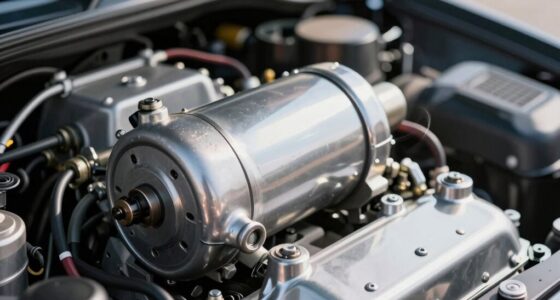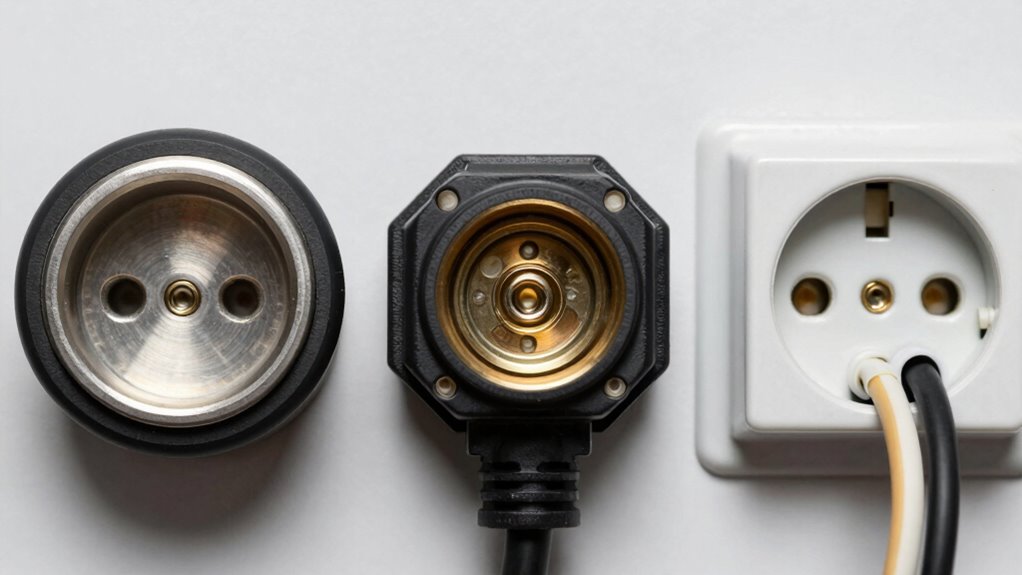

12V outlets in vehicles or boats include cigarette sockets, which are easy to use for chargers and accessories, Anderson connectors designed for durable, high-current connections, and hardwired setups that offer permanent, reliable power directly from the battery with proper safety measures. Each type has its benefits, depending on your power needs and installation preferences. If you want to learn more about how to choose and install these options safely, there’s plenty more to explore.
Open a free Amazon Business account
Business pricing, bulk buying and tax-exempt orders.
As an affiliate, we earn on qualifying purchases.
Key Takeaways
- Cigarette sockets are standard 12V outlets for easy plug-in devices like chargers and coolers.
- Anderson connectors are durable, high-current connectors suitable for heavy-duty, hardwired applications.
- Hardwired runs involve direct wiring from the power source to devices, offering a clean and reliable connection.
- Proper installation requires correct wiring, secure connections, and appropriate fusing to ensure safety.
- Understanding each outlet type helps choose the best option for your power needs and ensures safe vehicle electrical setups.

Have you ever wondered what a 12V outlet is and how it works? These outlets are designed to supply power for various devices in vehicles, boats, or RVs, making them incredibly versatile. They typically connect to your vehicle’s electrical system, drawing power from the battery, which means understanding battery safety is essential when working with these outlets. Mishandling the wiring or installation can lead to shorts, damage, or even electrical fires, so always prioritize proper installation tips. Before connecting or modifying any wiring, make sure the battery is disconnected to prevent accidental sparks or shocks. When installing a 12V outlet, use the correct gauge wire suited for your device’s power draw, and ensure secure, corrosion-resistant connections. Proper fusing is a must—placing a fuse close to the battery protects your wiring from overloads or short circuits, safeguarding both your vehicle and your devices. Additionally, understanding the safety precautions associated with electrical systems is crucial for preventing accidents and ensuring reliable operation.
The cigarette socket, or cigar lighter outlet, is the most familiar 12V outlet. It’s designed for easy plug-in use, supporting chargers, portable coolers, and other accessories. To install or replace one, you typically remove the existing socket, connect the positive wire to the proper terminal, and ground the negative to the vehicle chassis. Ensuring a solid connection is essential for safety and functionality. When working with cigarette lighter outlets, pay attention to battery safety: avoid overloading the circuit, which can cause overheating or drain the battery faster. Always double-check your wiring before powering up—loose connections can lead to sparks or damage. If you’re installing a new socket, follow the manufacturer’s installation tips carefully, like ensuring the socket is mounted securely and that all wires are insulated and protected from moisture or vibration. Proper grounding techniques are also vital to prevent electrical issues and ensure consistent performance.
Anderson connectors are another popular option, especially for high-current applications like charging batteries or powering heavy-duty equipment. They’re known for their durability and reliable connection. When installing Anderson connectors, it’s essential to follow installation tips that emphasize correct polarity and tight, secure connections. Use proper crimping tools and high-quality connectors to ensure a safe, stable connection. Always verify that your wiring is protected with fuses or circuit breakers to prevent damage in case of a short. Hardwired runs are often used in custom setups, where the outlet is permanently wired into the vehicle or boat’s electrical system. In this case, careful planning is crucial—map out your wiring route, avoid sharp edges, and protect exposed wires from wear and tear. During installation, keep battery safety in mind by disconnecting the power source and double-checking all connections before re-energizing the system. Proper installation tips, like using heat shrink or electrical tape on splices, can prevent corrosion and accidental shorts over time. Whether you’re installing a simple cigarette socket or a complex hardwired outlet, prioritizing safety and following proper wiring guidelines ensures your setup runs smoothly and safely, protecting your investment and your safety.
Frequently Asked Questions
Can 12V Outlets Handle High-Current Appliances Safely?
Yes, 12V outlets can handle high-current appliances if you check their current capacity and wiring requirements. Always guarantee the outlet’s maximum current rating matches your device’s power needs to prevent overheating or damage. Use proper gauge wiring and secure connections. If your appliance demands more current than the outlet can handle, consider upgrading or using dedicated power sources to maintain safety and performance.
How Do I Prevent Corrosion on Outdoor 12V Outlets?
To prevent corrosion on outdoor 12V outlets, you should regularly perform outlet maintenance by cleaning and inspecting them. Apply dielectric grease to the connections to seal out moisture and prevent corrosion. Use waterproof covers or outlet enclosures when not in use, especially in wet conditions. Additionally, verify the outlet is properly grounded, and check for any signs of damage or corrosion periodically, addressing issues promptly to keep your system safe and functional.
Are 12V Outlets Compatible With All Vehicle Types?
You’ll find that most 12V outlets are compatible with various vehicle types because they follow standard outlet standards. However, it’s essential to verify your vehicle’s compatibility to ensure the outlet fits and functions properly. Some vehicles may have unique configurations or power ratings, so always verify the specifications before installation. This way, you avoid issues and ensure safe, reliable power access across different vehicle models.
What Are the Best Safety Practices for Hardwired Installations?
For safe hardwired installations, you should always follow proper grounding techniques to prevent electrical issues. Use circuit protection devices like fuses or circuit breakers to safeguard against overloads and shorts. Verify all connections are secure and insulated to avoid shorts or sparks. Regularly inspect wiring for damage, and consult a professional if you’re unsure about any step. These practices keep your system safe and reliable during operation.
How Do I Troubleshoot Power Issues in 12V Outlets?
To troubleshoot power issues in 12V outlets, start with circuit testing to identify any breaks or faults. Use a multimeter to measure voltage at the outlet; it should read around 12 volts. If there’s no power, check the circuit breaker or fuse for a blown fuse or tripped breaker. Ensuring proper wiring connections and inspecting for corrosion or damage can also help resolve power issues efficiently.
Conclusion
So, as you see, understanding 12V outlets like cig sockets, Anderson connectors, and hardwired runs isn’t just about wiring; it’s about connecting your needs with the right solution. Sometimes, the best setup happens when you least expect it—like discovering a perfect outlet when prepping your vehicle or project. In the end, these outlets aren’t just tools; they’re part of your journey, turning coincidence into a seamless, reliable power connection whenever you need it most.
Labor Day sales Picks
labor day deals
As an affiliate, we earn on qualifying purchases.