To safely wire solar panels to a power station, first make certain the panels’ voltage and current match the station’s specifications. Use industry-standard MC4 connectors to make secure, weatherproof connections directly from the panels, avoiding makeshift adapters. Manage cables neatly, routing them away from damage or hazards. Plug connectors into the correct input ports and set the right voltage and current on the station. Want to know more tips to ensure a safe, efficient setup?

Get business pricing on garage and car supplies
- Business-only prices and quantity discounts
- Tax-exempt purchasing
- Multiple users, one account, clear invoices
Key Takeaways
- Verify solar panel compatibility with the power station’s voltage, current, and connection type before wiring.
- Use industry-standard connectors like MC4 to ensure weatherproof and secure connections.
- Follow manufacturer guidelines for proper wiring procedures and correct polarity to prevent damage.
- Manage cables securely with clips or zip ties, routing away from sharp edges and potential damage points.
- Set the power station’s input parameters to match solar panel specifications for safe operation.

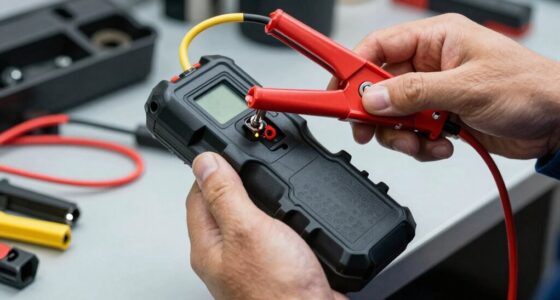
Connecting your solar panels to a power station is a straightforward process if you follow the right steps. First, you’ll want to verify your solar panels are compatible with your power station, focusing on battery compatibility and the type of connections supported. Most modern power stations are designed to handle specific voltage and current ranges, so check the manufacturer’s specifications to confirm your panels match these requirements. This prevents overloading the system and guarantees safe, efficient energy transfer. Once you’ve confirmed compatibility, the next step is managing your cables properly. Good cable management isn’t just about neatness; it’s essential for safety and performance. Use cable clips, zip ties, or cable sleeves to route your wires securely, avoiding sharp edges and areas where they might get pinched or damaged. Proper routing reduces the risk of shorts or disconnections, which could compromise your system’s efficiency or safety.
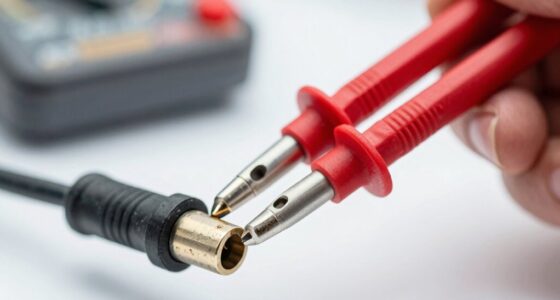
When wiring, avoid generic adapters or makeshift connectors that might not match your system’s specifications. Instead, use connectors that are designed for solar applications, such as MC4 connectors, which are standard in the industry. These connectors provide secure, weatherproof connections that prevent accidental disconnections or moisture ingress. To connect your solar panels to the power station, you’ll typically start by attaching the MC4 connectors from your panels to a compatible cable extension if needed. Always ensure the polarity is correct—positive to positive, negative to negative—when making these connections. Many panels and cables are marked clearly, but double-check each connection before proceeding. Understanding solar panel compatibility is crucial to ensure your system works safely and efficiently. Proper wiring procedures are also essential for avoiding hazards and ensuring a reliable setup. Additionally, paying attention to the correct wiring procedures helps prevent common mistakes and potential hazards, ensuring a reliable power setup. It’s also recommended to consult the manufacturer’s guidelines for specific instructions tailored to your equipment. When in doubt, consulting an electrician or professional can help ensure your system is installed safely and correctly. Once the cables are connected, plug them into the input ports on your power station, again confirming that the connections are firm and correctly aligned. Avoid forcing connections, as this can damage the connectors. If your power station has adjustable settings for input voltage or current, set these according to the specifications of your solar panels. This step optimizes performance and prevents potential damage. Throughout the process, keep your cables organized to prevent tripping hazards or accidental disconnections, especially if your setup is outdoors or in a high-traffic area.
As an affiliate, we earn on qualifying purchases.
Frequently Asked Questions
Can I Connect Any Solar Panel to a Power Station?
You can’t connect any solar panel to a power station directly. You need to guarantee battery compatibility and choose the right inverter. Check the solar panel’s voltage and wattage to match the power station’s input specifications. Using incompatible panels can damage your system or reduce efficiency. Always verify these details first, and consider consulting the power station’s manual or a professional to ensure safe, ideal connections.
What Tools Are Needed for Wiring Solar to a Power Station?
You need basic tools like wire strippers, crimping pliers, and a multimeter to wire solar to a power station safely. Refer to wiring diagrams to guarantee proper connections, preventing damage or safety hazards. Incorporate battery management systems to protect your batteries and optimize performance. Always double-check your wiring, and follow manufacturer guidelines, to ensure a secure setup. Proper tools and planning help you achieve a safe, efficient solar-to-power station connection.
Is It Necessary to Install a Charge Controller?
Think of a charge controller as the gatekeeper, vital for safe solar wiring. You need it for battery management and voltage regulation, preventing overcharging and damage. Without it, your batteries risk overheating or becoming unstable. Installing a charge controller guarantees your system runs smoothly, extending battery life and maintaining efficiency. So, yes, it’s an essential component in safely wiring your solar setup to a power station.
How Do I Prevent Overloading My Power Station?
To prevent overloading your power station, focus on proper battery management by monitoring your system’s load and capacity. Use a detailed wiring diagram to connect your solar panels correctly, ensuring the total wattage doesn’t exceed your power station’s limit. Regularly check your system’s performance and avoid plugging in high-wattage devices simultaneously. This proactive approach helps protect your equipment and maintains peak operation without risking overloads.
What Safety Precautions Should I Follow During Wiring?
Follow grounding procedures to prevent electrical shock, guaranteeing all systems are properly grounded before starting. Use insulation techniques to protect wires from damage, avoiding short circuits and fires. Always disconnect power sources before wiring, wear insulated gloves, and double-check connections. Keep your workspace dry and organized, and consult the manufacturer’s guidelines. Prioritize safety to avoid hazards, protect your equipment, and ensure a reliable, secure solar setup.
As an affiliate, we earn on qualifying purchases.
Conclusion
By following these steps, you guarantee a safe, reliable connection between your solar panels and power station. By choosing the right connectors, double-checking your wiring, and prioritizing safety, you protect your equipment and maximize efficiency. Stay vigilant, stay informed, and stay safe. With careful planning and proper execution, you’ll enjoy clean energy without risking your devices or yourself. Keep wiring smart, keep wiring safe, and keep your solar power flowing smoothly.
solar power station input cables
As an affiliate, we earn on qualifying purchases.
As an affiliate, we earn on qualifying purchases.
As an affiliate, we earn on qualifying purchases.
Fall Picks
fall essentials
As an affiliate, we earn on qualifying purchases.