The simple rule for choosing a jump starter that actually works is to match its CCA rating to your vehicle’s size and battery type, ensuring reliable startup during emergencies. Pick a model that balances portability with safety features like spark-proof clamps and reverse polarity protection. Look for durable build quality and extra functions such as USB ports or air compressors for added value. Staying aware of these key points helps, but exploring further will reveal even smarter tips to keep your vehicle ready.

Get business pricing on garage and car supplies
- Business-only prices and quantity discounts
- Tax-exempt purchasing
- Multiple users, one account, clear invoices
Key Takeaways
- Match the jump starter’s CCA rating to your vehicle’s size and battery type for reliable starting power.
- Prioritize safety features like spark-proof clamps and reverse polarity protection for secure operation.
- Choose a compact, lightweight model with essential features such as USB ports and a built-in flashlight for convenience.
- Ensure the device is durable and well-built to withstand frequent use and harsh conditions.
- Check user reviews and ratings to confirm real-world performance and overall reliability.
Choosing the right jump starter can be straightforward if you know what to look for. The key is understanding your vehicle’s needs and matching them with the jump starter’s features. The first step is to focus on battery compatibility. Not all jump starters are made equal, and selecting one that suits your vehicle’s battery type and size is crucial. Check the cold cranking amps (CCA) rating, which indicates how much power the jump starter can deliver to start your engine. If you drive a larger truck or SUV, you’ll need a jump starter with a higher CCA. For smaller cars, a lower CCA might suffice. Ensuring compatibility prevents frustration and guarantees the jump starter can handle your vehicle reliably when needed.
Choose a jump starter with the right CCA for your vehicle’s size and battery type.
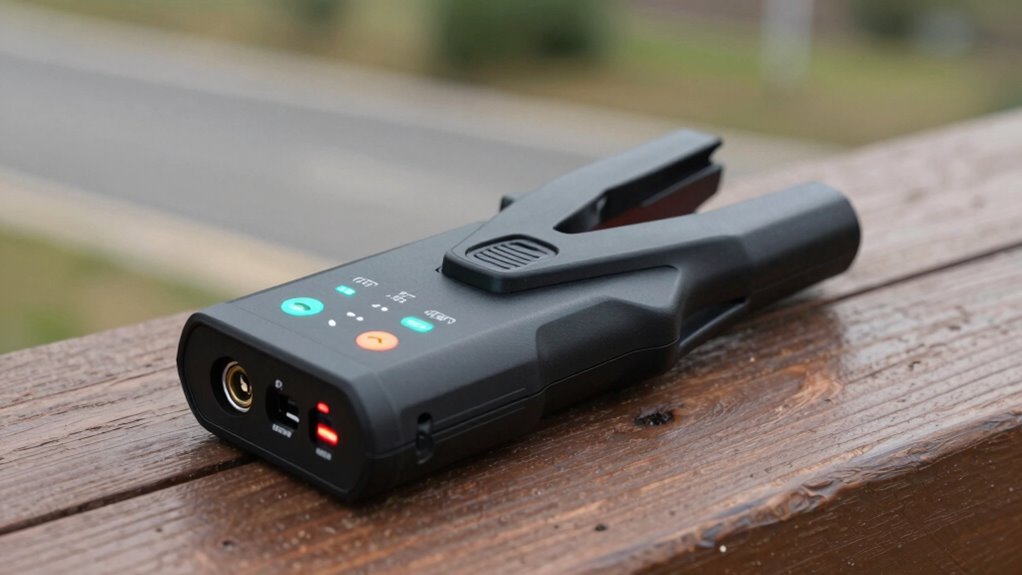
Portability considerations also play a significant role in your decision. Think about where you’ll keep the device—inside your car, in your garage, or in your glove compartment. If you want something easy to carry around, opt for a compact, lightweight model. Portability doesn’t just mean size; it also involves battery capacity, weight, and whether the device includes features like a built-in flashlight or USB ports. A smaller, portable jump starter might be perfect for daily commuting, but if you often travel long distances or manage multiple vehicles, you may prefer a slightly larger model with a higher capacity. Additionally, understanding battery compatibility ensures you select a device that will perform reliably with your specific vehicle, preventing potential issues during emergencies. Considering safety features such as spark-proof clamps and reverse polarity protection is equally important, especially for users who aren’t technically inclined. A jump starter equipped with automatic safety shut-off can further prevent accidental damage or injury during use. Moreover, researching the durability and build quality of the device can help ensure it withstands frequent use and rough conditions. When choosing a jump starter, it’s also helpful to look into user reviews and ratings to see how well the device performs in real-world scenarios.
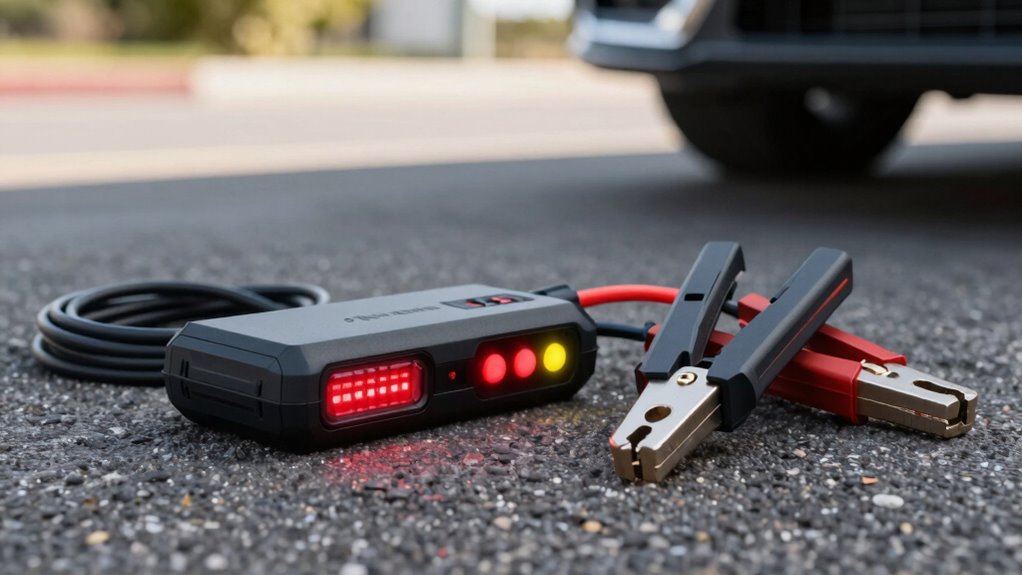
Beyond battery compatibility and portability, consider ease of use and safety features. Look for models with clear indicator lights, automatic shut-off, and clamps that prevent sparks or reverse polarity. These features help ensure safe operation, especially for users who aren’t technically inclined. Also, check for additional functionalities, like USB charging for devices or integrated air compressors, which can add value and versatility to your purchase.
In essence, the simple rule for picking a jump starter that actually works is to match its specifications to your specific needs. Prioritize battery compatibility by verifying the CCA rating and vehicle requirements. Balance this with portability considerations based on how and where you’ll store and use it. By doing so, you’ll select a device that’s not only capable of jump-starting your vehicle but also convenient and safe to use whenever the need arises. Remember, a well-chosen jump starter is a reliable tool that provides peace of mind, especially during those unexpected moments when your car won’t start.
car jump starter with high CCA rating
As an affiliate, we earn on qualifying purchases.
As an affiliate, we earn on qualifying purchases.
Frequently Asked Questions
Can a Jump Starter Damage My Vehicle’s Electronics?
A jump starter can damage your vehicle’s electronics if it’s not compatible with your battery or if there’s a power surge. To avoid this, make sure the jump starter matches your vehicle’s battery specifications. Always connect it correctly and double-check the polarity. Using a compatible jump starter with built-in safety features prevents power surges, protecting your vehicle’s sensitive electronics from potential damage.
How Long Does a Jump Starter Typically Last on a Single Charge?
A jump starter usually lasts for about 3 to 6 months on a single charge, depending on its battery capacity and how often you use it. Its lifespan is influenced by charging cycles—roughly 300 to 500 cycles—so if you recharge it regularly, it stays reliable longer. To maximize its life, keep it fully charged and store it in a cool, dry place.
Are Portable Jump Starters Safe for All Vehicle Types?
A portable jump starter is like a universal key, but you need to check its battery compatibility first. It’s generally safe for most vehicle types if it’s designed for your car’s battery size and voltage. Always look for charging indicators to verify it’s ready to use. However, always read the manufacturer’s instructions, and if unsure, consult your vehicle’s manual to avoid any damage or safety issues.
Do Jump Starters Require Regular Maintenance or Recharging?
Jump starters typically require regular recharging to maintain their battery lifespan and guarantee they’re ready when you need them. You should recharge your jump starter after each use and periodically if not used often, usually every few months. This charging frequency helps prevent battery deterioration and keeps the device reliable. Neglecting recharging can lead to a dead battery in your jump starter, reducing its effectiveness when you need it most.
What Safety Precautions Should I Take When Using a Jump Starter?
When using a jump starter, you should prioritize safety by wearing safety gear like gloves and eye protection. Always check battery compatibility before connecting, ensuring the jump starter matches your vehicle’s specifications. Keep the area well-ventilated, avoid touching metal parts during connection, and follow the manufacturer’s instructions carefully. Never lean over the battery, and disconnect the jump starter in reverse order to prevent sparks or shorts.
safety features jump starter with spark-proof clamps
As an affiliate, we earn on qualifying purchases.
As an affiliate, we earn on qualifying purchases.
Conclusion
Remember, choosing the right jump starter isn’t just about specs—it’s about trusting your instincts and knowing what truly works. When you pick a reliable unit, you’re not just starting a car; you’re opening peace of mind. Don’t settle for less, because a good jump starter is your silent guardian in moments of need. Like a faithful friend, it’s there when you need it most—ready to turn the tide in your favor.
compact portable jump starter with USB ports
As an affiliate, we earn on qualifying purchases.
As an affiliate, we earn on qualifying purchases.
vehicle emergency jump starter with air compressor
As an affiliate, we earn on qualifying purchases.
As an affiliate, we earn on qualifying purchases.
Halloween Picks
halloween
As an affiliate, we earn on qualifying purchases.