
To optimize aerodynamics for fast cars, focus on reducing drag and controlling airflow. Use sleek, smooth contours and minimize sharp edges that cause turbulence. Incorporate aerodynamic components like front splitters, rear diffusers, and spoilers to manage airflow and boost stability at high speeds. An underbody designed to be flat and smooth, along with optimized wheel covers, further enhances performance. Keep learning the key design features that help your car slice through air efficiently and release its full potential.
Key Takeaways
- Streamlined vehicle shapes with smooth contours reduce air resistance and improve top speed.
- Front splitters, rear diffusers, and spoilers work together to manage airflow and increase downforce.
- A flat, smooth underbody minimizes turbulence and drag beneath the car.
- Optimized wheel covers and low-drag tires decrease airflow disruption around wheels.
- Overall airflow management enhances vehicle stability, responsiveness, and performance at high speeds.

When it comes to making a fast car perform at its best, understanding aerodynamics is essential. One of the core aspects is drag reduction, which directly influences how efficiently your vehicle cuts through the air. The less drag your car encounters, the higher its top speed and acceleration. To achieve this, you need to focus on airflow management—controlling how air moves around and over your vehicle’s body. Proper airflow management minimizes turbulence and reduces drag, allowing your car to maintain higher speeds with less effort.
Start by paying attention to your car’s shape. A sleek, low profile with smooth contours helps air flow more seamlessly over the surface. Sharp edges and abrupt angles create turbulence that increases drag, so smoothing out these features can considerably improve performance. Consider the use of aerodynamic elements like front splitters, rear diffusers, and side skirts. These components help direct airflow in a controlled manner, reducing drag and increasing downforce where needed. For example, a front splitter works by managing the airflow under the car, preventing it from creating lift and instead pushing the vehicle down onto the road.
Another key aspect of airflow management is reducing air resistance at the rear of the car. A well-designed rear spoiler or wing can help manage airflow behind the vehicle, minimizing the wake region that causes drag. Properly balanced aerodynamic parts work together to streamline air movement, making your car more stable at high speeds. You also want to pay attention to underbody aerodynamics. A flat, smooth undercarriage with minimal protrusions decreases turbulence underneath, which can otherwise cause notable drag.
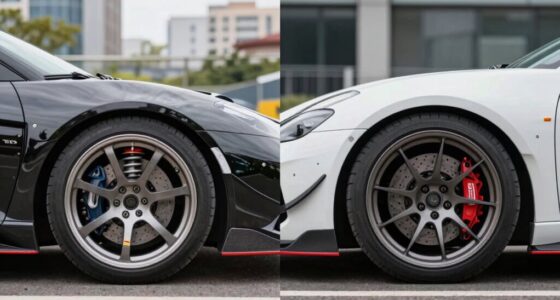
Tire design and wheel aerodynamics also play a role. Choosing low-drag tires and incorporating aerodynamic wheel covers can improve airflow around the wheels, which are often a source of increased drag. Additionally, ensuring that the side mirrors are aerodynamically optimized or replaced with camera systems reduces unnecessary airflow disruption.
Ultimately, every element of your car’s design should work in harmony to manage airflow effectively. By focusing on drag reduction and airflow management, you can considerably increase your vehicle’s speed, stability, and fuel efficiency. Small modifications, when executed with precision, lead to substantial improvements in performance. Remember, aerodynamics isn’t just about looks—it’s about engineering your car to slice through the air as efficiently as possible. When you get it right, your fast car becomes not just quicker but more responsive, more stable, and more capable of reaching its true potential on the track or road.

YONHAN Battery Charger 20A 12V/24V LiFePO4 Lead Acid Fully Automatic Battery Maintainer, Car Battery Trickle Charger Automotive w/Repair, Winter Mode, for AGM, STD, Gel, Deep Cycle Batteries
[20A Suitable for LiFePO4 Lead-acid Battery Charger] 12V 20 Amp, 24V 10Amp 7-stage quick battery charger, Designed to...
As an affiliate, we earn on qualifying purchases.
Frequently Asked Questions
How Does Aerodynamics Affect Fuel Efficiency in Racing Cars?
Aerodynamics greatly impacts your racing car’s fuel efficiency by reducing drag and optimizing airflow management. When you lower drag through streamlined shapes and smooth surfaces, your car faces less air resistance, which means it uses less fuel to maintain high speeds. Good airflow management directs air efficiently around and through the vehicle, helping you conserve fuel during races. Ultimately, better aerodynamics can make your car faster and more fuel-efficient.
What Are the Latest Materials Used for Aerodynamic Enhancements?
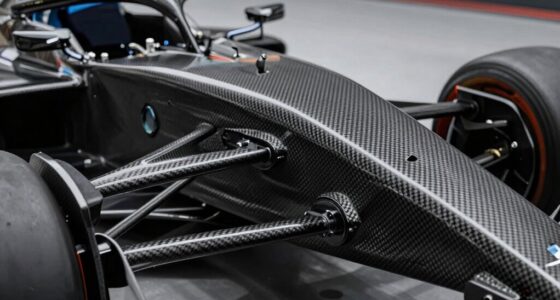
They say “the devil is in the details,” and that’s true with aerodynamic enhancements. You’ll find that cutting-edge materials like carbon fiber composites, graphene, and advanced polymers are revolutionizing active airflow management. These material innovations make parts lighter, stronger, and more adaptable, helping cars achieve better downforce and stability. By using these latest materials, you optimize aerodynamic performance and push your vehicle’s speed and efficiency to new heights.
How Do Weather Conditions Influence Aerodynamic Performance?
Weather conditions profoundly impact your car’s aerodynamic performance. Wind impact can alter airflow, increasing drag or causing instability, especially at high speeds. Rain effects add weight and reduce grip, which can change how your vehicle interacts with airflow and compromise downforce. You should always adjust driving strategies or aerodynamic settings when facing strong winds or rain, ensuring stability, control, and peak performance regardless of weather challenges.
Can Aerodynamics Be Adjusted During a Race?
You can definitely tweak aerodynamics during a race with adjustable wings and active aerodynamics systems. These tools let you fine-tune downforce and drag on the fly, helping you adapt to changing track conditions or optimize for speed and stability. It’s a balancing act, but with the right controls, you’re not just along for the ride—you’re in charge of your car’s aerodynamic setup, turning the tide in your favor.
What Role Do Aerodynamics Play in Vehicle Stability at High Speeds?
Aerodynamics play a vital role in your vehicle’s stability at high speeds by managing downforce and reducing drag. When you optimize downforce, it helps keep your car glued to the road, preventing unwanted lift that can cause instability. Drag reduction improves speed and handling, allowing you to maintain control. Proper aerodynamic design balances these factors, ensuring your car stays stable and responsive, even in challenging high-speed conditions.

OPTIMA® Batteries Digital 400+ 12 Volt Battery Maintainer and Charger for AGM, Lithium, Automotive, Marine and Powersport Batteries
Digital battery type selector: OPTIMA AGM, OPTIMA Li, Auto/Marine, Power Sport Lead Acid batteries
As an affiliate, we earn on qualifying purchases.
Conclusion
Now that you’ve learned the basics of aerodynamics, it’s almost like the car’s design was meant to be faster all along. Sometimes, the tiniest tweak can make your vehicle cut through air smoother and go quicker. It’s funny how understanding airflow can turn a regular ride into a racing machine. So, next time you see a sleek car speeding by, remember—it’s the science of aerodynamics making that perfect, effortless glide possible.

GSPSCN 6X Faster Inflation Tire Inflator Heavy Duty Double Cylinders with Portable Bag- Car Accessories,Metal 12V Air Compressor Pump 150PSI with Adapter for Car, Truck, SUV Tires, Dinghy, Air Bed
6X FASTER INFLATION: GSPSCN Heavy Duty Double cylinder design,maximum pressure 150PSI, air flow 70L/min, inflates standard vehicle tire...
As an affiliate, we earn on qualifying purchases.

WOLFBOX 150PSI Heavy Duty Tire Inflator Portable Air Compressor,Double- cylinder 45LPM Fast Air Pump for Car Tires,3.5'' LED Display,20'' Hose,Air Compressor for Car,Pickup Truck,Bike
45LPM Dual-Cylinder Fast Inflation: Fully charged, the upgraded 45LPM dual-cylinder tire inflator can inflate a car tire (195/65R15)...
As an affiliate, we earn on qualifying purchases.