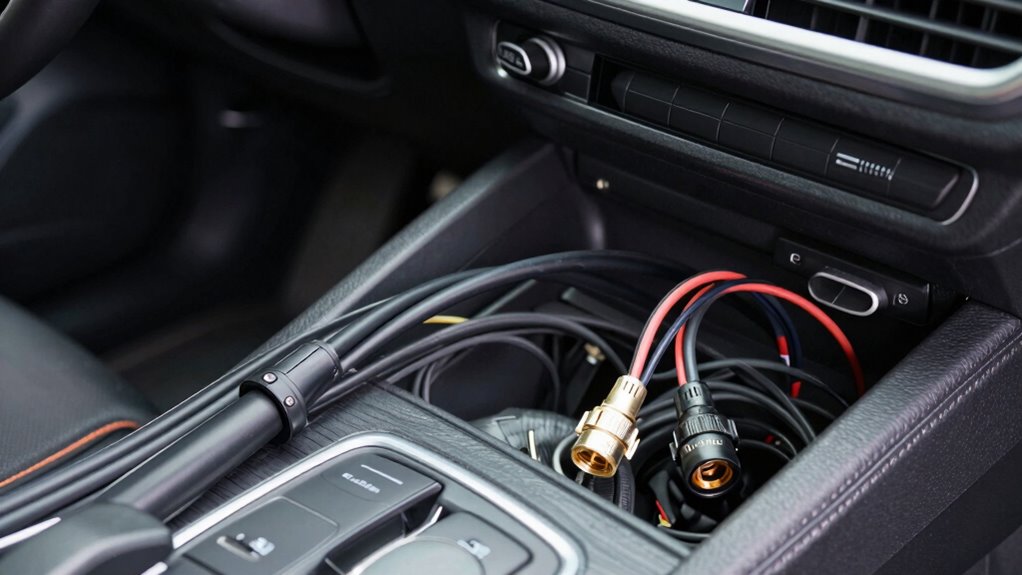

If you’re after a cleaner, more permanent install, hardwiring is your best choice. It connects directly to your vehicle’s power, hiding cables for a sleek look and offering better reliability for long-term use. OBD power, on the other hand, is quick and simple, ideal for temporary setups, but it may leave cables visible and isn’t as durable for lasting installs. Keep exploring to discover which option suits your needs best.

Get business pricing on garage and car supplies
- Business-only prices and quantity discounts
- Tax-exempt purchasing
- Multiple users, one account, clear invoices
Key Takeaways
- Hardwiring offers a more discreet, professional installation by hiding cables, ideal for long-term, clean setups.
- OBD port power provides a quick, non-invasive setup without cutting or splicing, suitable for temporary or less permanent use.
- Hardwiring ensures a reliable, stable power connection, while OBD power may have limitations in wire placement and support.
- Choose hardwiring for a polished, durable look; opt for OBD power for convenience and faster installation.
- Consider vehicle compatibility and installation complexity to determine which method yields a cleaner, more efficient setup.
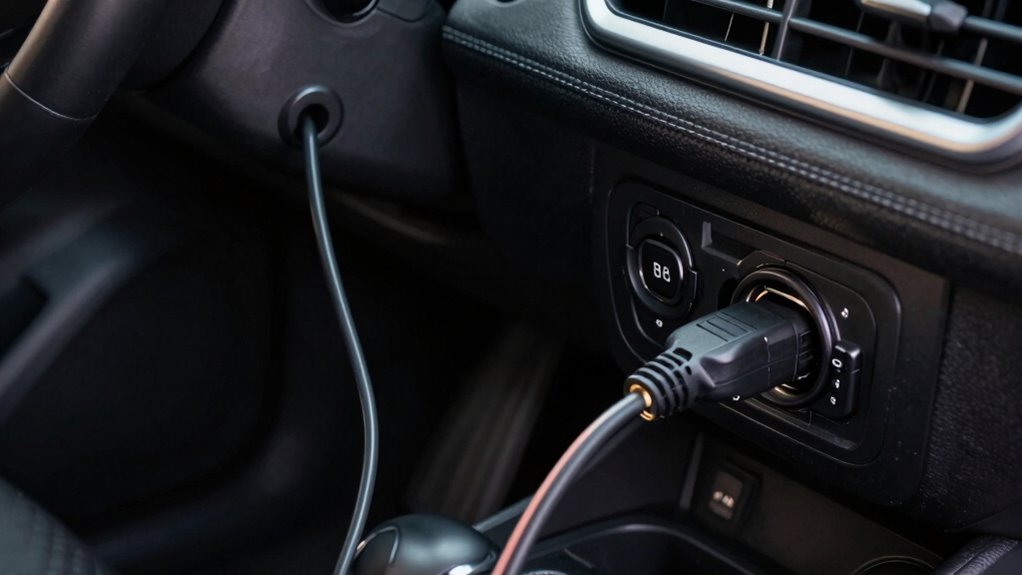
Are you unsure whether to power your device through hardwiring or an OBD (On-Board Diagnostics) port? Making this decision depends on several factors, including your priorities for wireless compatibility, installation complexity, and overall convenience. If you’re seeking a seamless, clean setup with minimal fuss, understanding the differences can help you choose the best option.
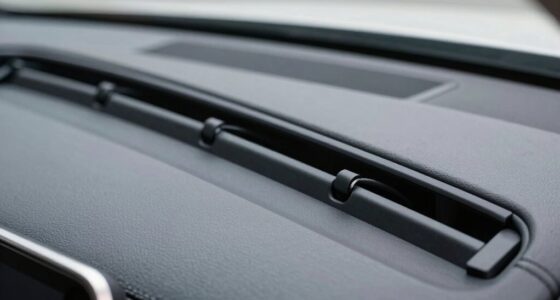
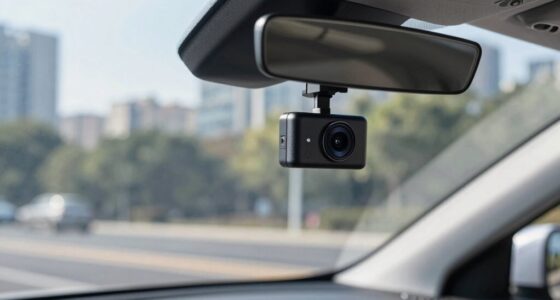
Hardwiring involves connecting your device directly to your vehicle’s power source, typically the fuse box or a dedicated power line. This method offers a tidy, professional-looking installation since cables are hidden, reducing clutter and potential damage. Because of this, hardwiring tends to be more reliable in terms of consistent power delivery, especially for devices that require a steady, continuous connection. However, it can be more complex to install, often demanding some basic electrical knowledge or tools. You might need to access the vehicle’s wiring or fuse box, which can be intimidating if you’re unfamiliar with automotive systems. The installation complexity varies depending on your vehicle’s make and model, but it generally takes longer than plugging into an OBD port. Additionally, vehicle wiring systems are designed to support various electrical loads, which can impact the installation process. Properly understanding your vehicle’s electrical capacity can help prevent potential issues during installation. A thorough understanding of electrical systems can help ensure a safe and effective installation process. Furthermore, choosing the right components and following safety guidelines is crucial for a successful hardwire setup.
Hardwiring provides a neat, reliable connection but requires more complex installation and basic electrical knowledge.
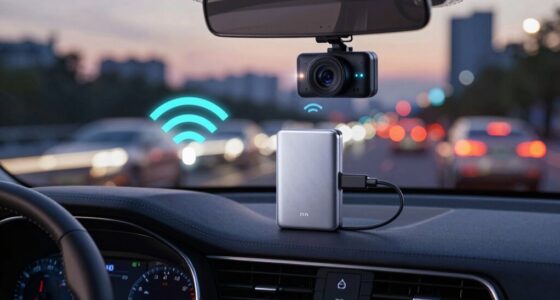
On the other hand, powering through an OBD port offers a much simpler, plug-and-play approach. The OBD port is designed for diagnostics, so if you’re in a hurry or prefer a less invasive setup, this method is appealing. It allows you to connect your device without cutting or splicing wires, making the installation straightforward and quick. This method is especially convenient if you want to avoid technical work or don’t plan to keep the device permanently installed. However, the OBD port may not be as discreet since cables often run along the dashboard or interior panels, and some vehicles have limited wiring space. Regarding wireless compatibility, OBD-powered devices generally support wireless connections better because they’re designed for quick, temporary setups and can easily connect to smartphones or tablets without additional wiring. For those concerned about vehicle compatibility, it’s essential to verify that your vehicle’s OBD port supports the device and functions properly.
Ultimately, your choice hinges on how much you value a clean, permanent install versus ease and speed. Hardwiring offers a more polished look, with fewer cables visible, ideal for long-term use. Conversely, OBD power provides a fast, simple solution for temporary or less permanent needs. If you’re comfortable with basic wiring and want a neat, durable setup, hardwiring might suit you best. But if you prioritize convenience and minimal installation effort, especially with wireless compatibility in mind, the OBD port is a smart option. Weighing these factors and considering installation requirements will help you decide which method aligns better with your needs.
As an affiliate, we earn on qualifying purchases.
Frequently Asked Questions
Can I Switch Between Hardwire and OBD Power Easily?
Yes, you can switch between hardwire and OBD power, but it’s not always straightforward. You’ll face installation challenges like reconnecting wires or adapter compatibility, so take your time. Always prioritize safety considerations—disconnect your battery before working and make sure connections are secure. Switching methods might require some technical skills, but with patience and careful handling, you can change power sources when needed, making your setup versatile.
Which Option Is More Cost-Effective Long-Term?
It’s a no-brainer that OBD power is more cost-effective long-term, especially considering installation ease and the need for fewer tools. You won’t have to worry about complex wiring or extra parts, saving you money upfront and over time. Hardwired systems might seem cheaper initially, but ongoing maintenance and potential repairs could add up. So, stick with OBD for a smoother, more budget-friendly ride in the long run.
Will Hardwiring Affect My Vehicle’s Warranty?
Hardwiring your device can potentially affect your vehicle’s warranty if installation challenges or safety considerations aren’t properly addressed. If you bypass existing systems without professional help, it might void certain warranty parts. To avoid issues, make sure your installation is done carefully and adheres to safety guidelines. Consulting your vehicle’s warranty policy or a professional installer helps prevent accidental damage, keeping your warranty intact while enjoying a secure, effective setup.
Are There Compatibility Issues With Certain Vehicle Models?
You might wonder if compatibility concerns could trip you up. While most vehicle models work seamlessly, some have model-specific issues that require extra attention. Certain years or makes might have unique wiring setups, leading to potential challenges during installation. Before proceeding, check your vehicle’s specifications and consult the manufacturer or a professional. Staying informed guarantees you avoid surprises and ensures a smooth, trouble-free setup tailored perfectly for your car.
How Does Power Stability Compare Between the Two Methods?
Power stability is generally better with hardwiring because it provides a direct, dedicated connection to your vehicle’s power source, reducing chances of power fluctuation. This setup enhances installation safety by minimizing risks of loose connections or interference. Conversely, OBD power may experience minor fluctuations due to the vehicle’s data system, but it’s usually sufficient for most devices. Overall, hardwiring offers a more consistent and stable power supply.
As an affiliate, we earn on qualifying purchases.
Conclusion
Choosing between hardwiring and OBD power isn’t just about installation—it’s about peace of mind versus convenience. Hardwiring offers a seamless, cleaner look, but demands effort and precision. OBD power is quick and simple, yet less discreet. Think about what matters most to you—whether you want the sleek, hidden setup or the ease of a plug-and-play solution. Whichever you choose, remember it’s about making your drive safer and more enjoyable, with a touch of your personal style.
As an affiliate, we earn on qualifying purchases.
As an affiliate, we earn on qualifying purchases.
Halloween Picks
halloween
As an affiliate, we earn on qualifying purchases.