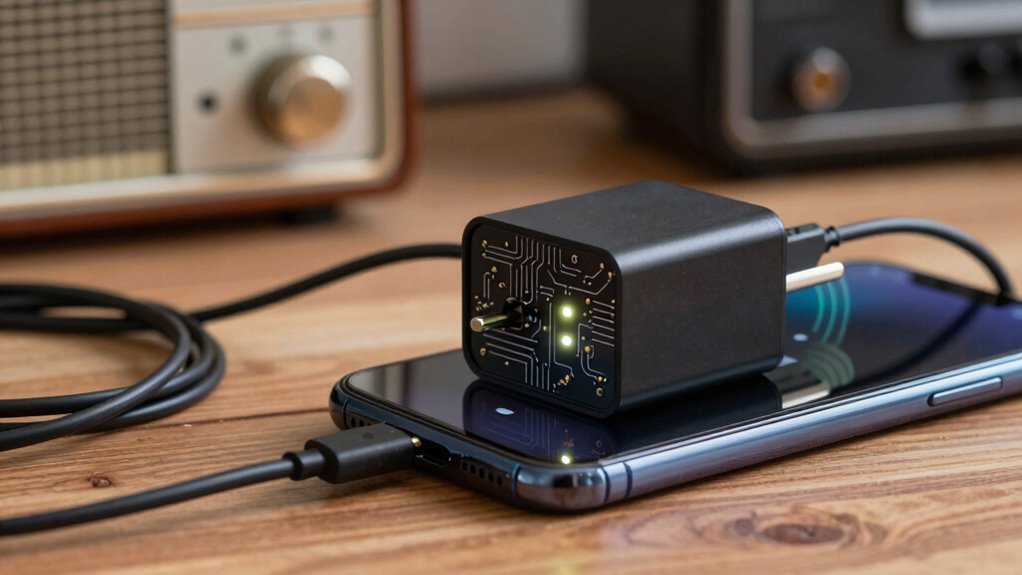

Electric vehicle chargers generate electromagnetic interference (EMI) from their inverters, motors, and electronic components, causing radio static and data errors. To combat this, industry standards impose strict regulations on emissions, and effective solutions include shielding, grounding, and advanced materials like conductive coatings and ferrites. Innovations like active filtering and smart materials are also improving EMI management. Learn more about how these strategies safeguard your devices and ensure safe, compliant charging environments.
Key Takeaways
- EMI from chargers arises mainly from high-frequency switching in inverters, DC/DC converters, and onboard systems, causing radio static and data errors.
- Regulatory standards like FCC and EU directives enforce strict limits on electromagnetic emissions to prevent interference.
- Effective shielding, grounding, and filtering with materials such as ferrites and conductive coatings are essential solutions.
- Advanced materials like nanomaterials and metamaterials enable lightweight, adaptive EMI mitigation in modern chargers.
- Future innovations include active noise cancellation and wireless power transfer to minimize EMI and improve device compatibility.

Copper Tape 1Inch x 50 Feet Double Conductive Metal Foil Adhesive Tape for EMI/RFI Shielding, DIY Crafts, Grounding, Stained Glass, Garden, Solder Paper Circuit, Guitar Interference Shield, Duct Wrap
Industrial Grade: Our copper foil tape is made of high-quality conductive glue and metallic copper material, which not…
As an affiliate, we earn on qualifying purchases.
As an affiliate, we earn on qualifying purchases.
Understanding the Sources of Electromagnetic Interference in Electric Vehicle Chargers

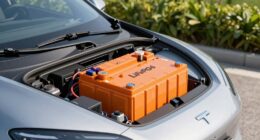
Electric vehicle chargers generate electromagnetic interference (EMI) through multiple internal components that operate at different frequencies. The inverter, a key part of the charger, produces high-frequency interference in the tens of kHz to MHz range, with sharp voltage peaks. The electric motor emits lower frequency interference, up to a few kHz, depending on its speed. The onboard charger generates 50/60 Hz harmonics and high-frequency noise during charging cycles. Battery management systems emit low-power interference across a broad spectrum, while DC/DC converters switch at fixed tens of kHz, creating additional noise. These components work together, and their varying frequencies contribute to a complex EMI environment. Understanding these sources helps you grasp how interference can affect nearby electronics and communication systems. Additionally, the top projector technologies used in home cinema setups can be sensitive to electromagnetic disturbances, which can degrade image quality and cause flickering or color distortions. A thorough understanding of EMI mitigation techniques is essential for designing chargers that minimize interference and protect sensitive devices. Implementing shielding and filtering methods can significantly reduce the impact of these electromagnetic disturbances on both chargers and nearby electronics.

20Pcs Clip-on Ferrite Ring Core Ferrite Bead RFI EMI Noise Suppressor Cable Clip for 3mm/ 5mm/ 7mm/ 9mm/ 13mm Diameter Cable, Black
Packaging Includes: 20 snap-on ferrite cores (5 sizes included), suitable for cables with inner diameters of 3/5/7/9/13 mm
As an affiliate, we earn on qualifying purchases.
As an affiliate, we earn on qualifying purchases.
How EMI Affects Electronic Devices and Communication Systems
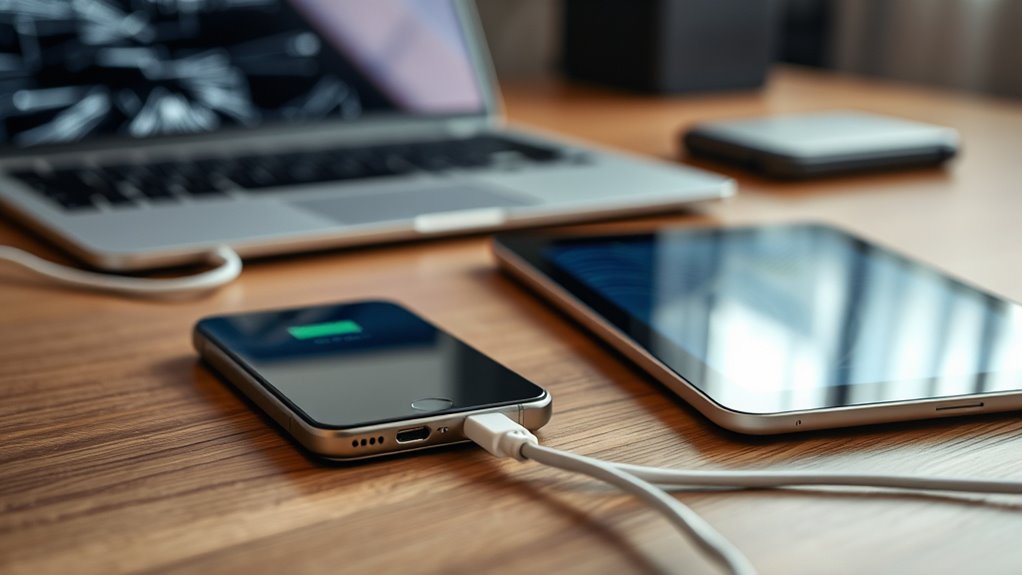
Electromagnetic interference from EV chargers can disrupt the operation of electronic devices and communication systems nearby. You might notice static on your radio, data errors on your devices, or even temporary failure of sensitive electronics. Communication networks, including Wi-Fi and cellular signals, can experience degraded quality or dropouts. This interference stems from the high-frequency noise generated by chargers and their associated components. Understanding EMI mitigation techniques can help safeguard your devices and maintain seamless connectivity. Additionally, awareness of electromagnetic compatibility standards can guide better placement and shielding practices to reduce interference effects. Implementing proper shielding methods and grounding strategies is essential in minimizing electromagnetic disturbances and protecting sensitive electronics from these interferences. Incorporating proper grounding practices can further reduce the impact of electromagnetic disturbances on nearby devices. Employing filtering techniques can also significantly diminish noise levels and improve device performance.

Graphene Conductive Paint – Electromagnetic Shielding Paint Coating for Guitars, Anti-Interference Noise Reduction,enhance sound purity, Water-Based Flexible Brush-On Coating, 100g Bottle
Professional-grade electromagnetic shielding: The high conductivity of graphene causes electromagnetic waves to be reflected at its surface. Within…
As an affiliate, we earn on qualifying purchases.
As an affiliate, we earn on qualifying purchases.
Regulatory Standards and Safety Limits for EMF Exposure and EMI Control
You need to understand how international EMF guidelines and regional EMI regulations set safety limits for chargers. These standards govern exposure levels and control measures to prevent interference with electronic devices. Implementing effective shielding and mitigation techniques guarantees compliance and minimizes radio interference risks. Regular testing and adherence to piercing care and hygiene practices help maintain device integrity and ensure safety. Understanding EMF exposure limits is crucial for manufacturers to design compliant and safe charging devices. Additionally, staying informed about regulatory standards ensures ongoing compliance and safety in the evolving landscape of electronic device usage. Moreover, understanding EMI control measures is vital for reducing electromagnetic interference and ensuring device performance across different regions. Properly managing electromagnetic compatibility helps prevent unintended disruptions and maintains device reliability.
International EMF Guidelines
International EMF guidelines set critical safety limits to protect individuals from potential health risks and electromagnetic interference (EMI). These standards ensure that exposure remains within safe boundaries. For example, the ICNIRP 2010 guidelines specify a maximum magnetic field of 200 µT at 50 Hz for the general public. Different regions adopt various standards, but all aim to prevent adverse effects. The table below summarizes key guidelines:
| Organization | Frequency Range | Exposure Limit |
|---|---|---|
| ICNIRP | 0–300 GHz | 200 µT at 50 Hz |
| FCC (US/Canada) | 0–300 GHz | 1 G (10,000 µT) for occupational |
| EU Directive 2014/30 | 0–300 GHz | Limits vary, generally stricter |
| WHO | 0–300 GHz | Follows ICNIRP standards |
These guidelines help maintain safe environments while addressing EMI concerns effectively. Additionally, understanding regulatory standards is essential for implementing effective EMI control measures.
Regional EMI Regulations
Regional regulations establish specific standards and safety limits to manage EMF exposure and control electromagnetic interference (EMI), ensuring that electronic devices and charging stations operate within safe parameters. In North America, FCC regulations set limits for radiated and conducted emissions, with stricter standards for residential environments. The EMI standards are particularly important for devices like electric bikes, which often include chargers that can contribute to interference if not properly regulated. The European Union’s Directive 2014/30/EU enforces extensive EMI controls across electronic equipment, including chargers, to minimize potential disruptions. The ICNIRP 2010 guidelines define exposure limits for ELF magnetic fields, which many regions adopt or reference to protect the public. These regulations also influence product design by establishing testing procedures and compliance measures, driving manufacturers to develop safer, compliant products that minimize interference and safeguard public health. Additionally, EMI compliance testing is crucial for ensuring devices meet these standards before entering the market, further promoting safety and reliability. Furthermore, AI cybersecurity jobs are increasingly vital in protecting these systems from emerging digital threats.
Shielding and Mitigation Standards
Shielding and mitigation standards are key to ensuring that electromagnetic emissions from EV chargers and related components stay within safe limits. These standards specify how shielding materials, grounding techniques, and design practices reduce EMI exposure and prevent interference. Manufacturers implement shielding enclosures, filters, and layout strategies aligned with regulations like FCC Part 15 and EU directives. Advanced materials, such as ferrite cores and conductive coatings, help contain high-frequency noise. Standards are regularly updated to address new technologies and close proximity use cases, especially for fast chargers over 100 kW. They also guarantee that wireless charging systems comply with global radio frequency limits, preventing radio static and data disruptions. Proper grounding techniques are essential for minimizing unintended emissions and ensuring system safety. Additionally, adherence to these standards involves comprehensive testing procedures that verify EMC compliance before deployment. By adhering to these standards, you can minimize EMI risks while maintaining charger efficiency and safety.

20 Pcs Snap on Ferrite Core Cord Ring RFI EMI Noise Filter Suppressor Cable Clip for 3.5mm/5mm/7mm/9mm/13mm Diameter Cable, Black
Package included: 20 pieces ferrite cable clips (with 5 different size)
As an affiliate, we earn on qualifying purchases.
As an affiliate, we earn on qualifying purchases.
Strategies and Technologies for Mitigating EMI in Charging Environments

Shielding techniques and advanced materials play a vital role in reducing EMI from chargers. These solutions help contain electromagnetic fields and prevent interference with nearby devices. Implementing effective shielding is essential for ensuring safe and compliant charging environments. Incorporating Free Floating design principles can also minimize unintended electromagnetic coupling and improve overall system performance. Additionally, EMI mitigation strategies, such as careful component placement and filtering, further enhance the effectiveness of shielding efforts.
Shielding Techniques Effectiveness
To effectively reduce electromagnetic interference (EMI) in charging environments, engineers employ a variety of shielding techniques that block or attenuate unwanted signals. These methods include enclosures, conductive coatings, and carefully designed cable routing to contain EMI sources. The effectiveness depends on material conductivity, thickness, and grounding strategies. Shielding diminishes radiated and conducted EMI, preventing interference with sensitive electronics. Utilizing all-waterpark hotels with appropriate shielding can also enhance safety and performance in high-traffic or busy environments. Additionally, understanding the material properties of shielding components helps optimize their effectiveness across different frequencies and conditions.
| Technique | Material Used | Key Benefit |
|---|---|---|
| Metal enclosures | Aluminum, copper | Blocks broad frequency range |
| Conductive coatings | Silver, carbon | Adds EMI resistance to surfaces |
| Shielded cables | Braided copper, foil | Minimizes coupling and emission |
Proper shielding guarantees compliance with standards, reduces health risks, and maintains device performance.
Advanced Material Solutions
Advanced material solutions are revolutionizing EMI mitigation in EV charging environments by providing more effective and versatile options than traditional shielding methods. These materials can absorb, block, or redirect electromagnetic interference, markedly reducing emissions and susceptibility. For example, advanced composites, nanomaterials, and conductive polymers offer tailored electromagnetic properties.
- Conductive nanomaterials create lightweight, flexible shields that can be integrated directly into charger casings or cables, minimizing interference pathways.
- Metamaterials are engineered structures that manipulate electromagnetic waves, enabling precise control over interference propagation and absorption.
- Magnetic absorbers, made from specialized ferrites or soft magnetic materials, diminish low-frequency fields, enhancing safety and compliance.
These innovations enable chargers to meet strict regulations while maintaining compact, efficient designs.
The Role of Material Science and Shielding in Reducing Interference

Material science plays a crucial role in reducing electromagnetic interference (EMI) from electric vehicle chargers by developing materials that effectively block or absorb unwanted signals. Conductive metals like copper, aluminum, and specialized alloys are used for shielding enclosures, preventing EMI from radiating outward. Advanced composites and ferrite-based materials absorb high-frequency noise, reducing conducted and radiated interference. Layered shielding combines multiple materials to target specific frequencies, optimizing performance. Coatings and paints infused with conductive particles can be applied to critical surfaces, further minimizing EMI emission. Proper material selection and design ensure electromagnetic compatibility, keeping chargers within regulatory limits. By integrating innovative materials and shielding techniques, you can markedly reduce interference, protecting surrounding electronics and ensuring reliable charger operation.
Future Trends and Innovations in EMI Management for Electric Vehicle Charging

Emerging technologies are driving innovative approaches to EMI management in electric vehicle charging, promising more effective and integrated solutions. You can expect advancements such as:
- Smart shielding materials that adapt in real-time to changing interference levels, enhancing EMI suppression without adding bulk.
- Active filtering systems integrated directly into chargers, which dynamically cancel out high-frequency noise and harmonics.
- Wireless and contactless power transfer innovations that minimize physical connections, reducing conducted and radiated EMI sources.
These trends aim to improve compliance with safety standards and reduce interference impacts on sensitive electronics. As technology evolves, you’ll see more compact, efficient, and intelligent EMI mitigation methods that seamlessly integrate into charging infrastructure, ensuring safer, cleaner operation for both users and nearby devices.
Frequently Asked Questions
Can Electromagnetic Interference From Chargers Affect Nearby Medical Devices?
Electromagnetic interference from chargers can affect nearby medical devices, but risks are generally low if proper precautions are taken. You should keep chargers away from sensitive devices, especially within a few centimeters, and use shielding or grounding when possible. Most modern chargers comply with safety standards, minimizing interference. However, high-power chargers or faulty equipment might cause issues, so always follow manufacturer guidelines and consult professionals if you’re concerned about device performance.
What Are the Long-Term Health Effects of Exposure to EMFS Near Chargers?
Imagine standing near a charging station, feeling the gentle hum of electromagnetic fields. Long-term exposure to EMFs from chargers is generally considered safe at regulated levels, like those from modern fast chargers, which stay within safety limits. While some worry about potential health risks, current research shows no conclusive evidence of harm at typical exposure levels. Still, staying a bit farther away might give you extra peace of mind.
How Do Different Charger Types Vary in EMI EMIssions?
You’ll find that different charger types emit varying levels of EMI. DC fast chargers generate higher magnetic fields, up to 112 µT at close distances, while slower AC chargers produce lower emissions, often below 20 µT at 10 cm. Inverter-based chargers and onboard systems also generate high-frequency noise, but most are designed to stay within safety limits. Shielding and standards help reduce interference, ensuring your devices and radio signals remain unaffected.
Are There Real-World Incidents of Communication Disruption Caused by EV Chargers?
You might wonder if EV chargers have caused communication disruptions. In reality, such incidents are rare due to strict standards and effective shielding. Most chargers operate within safe electromagnetic limits, and no widespread reports link them directly to communication failures. When issues do occur, they’re typically isolated and addressed quickly through improved materials and regulations. Overall, EV chargers rarely interfere with nearby communication systems, ensuring reliable performance for users and devices.
What Standards Exist Globally to Regulate EMI From Electric Vehicle Charging Stations?
Imagine a fortress guarding your peace—globally, standards like the FCC Title 47 Part 15 in the US, Europe’s Directive 2014/30/EU, and UN ECE R10 serve as your shields. They regulate electromagnetic interference from EV chargers, ensuring safe operation and minimal disruption. These standards set limits for radiated and conducted emissions, guiding manufacturers to design chargers that harmonize with radio, communication, and safety protocols worldwide, keeping your environment free from interference chaos.
Conclusion
As you navigate the world of electric vehicle charging, imagine a quiet, interference-free landscape where signals flow seamlessly like a gentle stream, untouched by disruptive sparks. By understanding EMI sources and embracing innovative shielding and materials, you can help create this calm environment. With ongoing advancements, you’ll see charging stations that hum smoothly, allowing your devices and communications to thrive without interruption, ensuring a safer, more reliable electric future for everyone.