
You should avoid neglecting sensor maintenance, as dirty or damaged sensors can give false warnings and lead to unnecessary repairs. Always verify sensor accuracy manually, especially after sensor replacement or repairs. Proper calibration is essential, and ignoring environmental factors may cause unreliable readings. Rushing to trust TPMS alerts without inspecting sensors can cause overlooked pressure issues. If you want to learn how to prevent these costly mistakes and keep your system working smoothly, keep exploring effective care tips.

Get business pricing on garage and car supplies
- Business-only prices and quantity discounts
- Tax-exempt purchasing
- Multiple users, one account, clear invoices
Key Takeaways
- Ignoring sensor dirt and debris can cause false alerts and unnecessary repairs.
- Failing to regularly verify sensor accuracy increases the risk of undetected tire pressure issues.
- Neglecting sensor calibration after maintenance leads to unreliable TPMS readings.
- Overlooking environmental effects like temperature changes can impair sensor performance.
- Ignoring sensor damage or malfunction may result in costly safety risks and system failures.
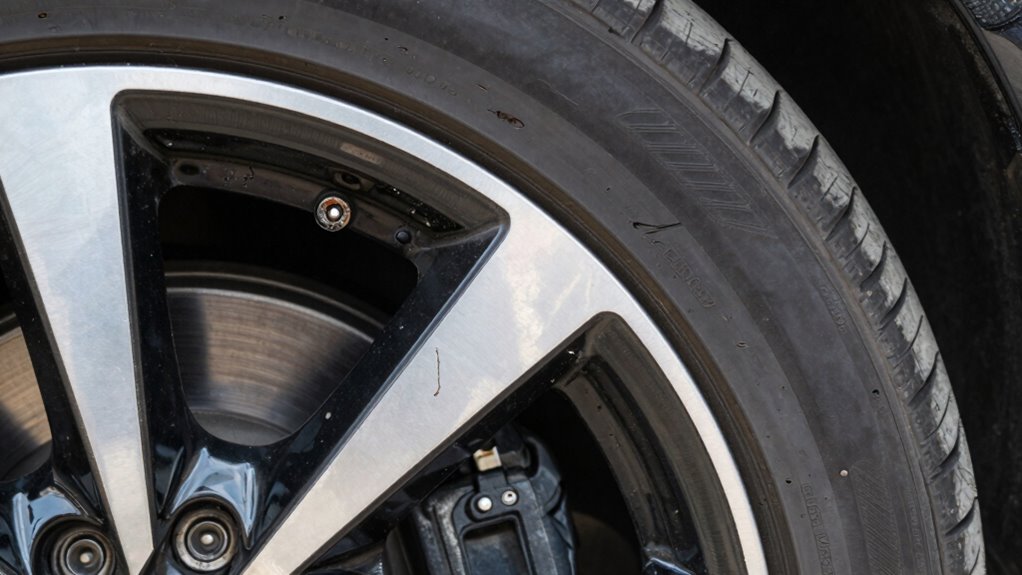
While the system is designed to alert you to low tire pressure, it relies heavily on the sensors’ ability to measure pressure correctly. If the sensors become dirty, damaged, or malfunction, they can give you incorrect readings. This might lead you to add air unnecessarily or, worse, ignore actual pressure issues because the system isn’t functioning properly. Regularly checking your tire pressure with a manual gauge, especially if you notice TPMS alerts, can help verify whether the sensors are providing accurate data. Remember, a system that reports false warnings can erode your trust in it, causing you to dismiss genuine alerts in the future. Ensuring sensor calibration is accurate after maintenance is critical for reliable readings. Additionally, environmental factors such as extreme temperatures can affect sensor performance, so being aware of these influences helps maintain optimal TPMS accuracy.
As an affiliate, we earn on qualifying purchases.
Frequently Asked Questions
How Often Should TPMS Sensors Be Recalibrated?
You should recalibrate your TPMS sensors whenever you change your tires or notice inconsistent tire pressure readings. Sensor calibration guarantees your system accurately detects tire pressure issues, helping you maintain ideal safety and fuel efficiency. Typically, calibration isn’t needed regularly but should be done after tire rotations, replacements, or repairs. Always follow your vehicle’s manufacturer guidelines for calibration frequency to avoid costly mistakes and keep your tire pressure monitoring system functioning correctly.
Can TPMS Be Installed on Any Vehicle Model?
Did you know that over 90% of vehicles can have TPMS sensors installed? You can usually install TPMS on most vehicle models, but it’s essential to check sensor compatibility and follow installation guidelines closely. Some vehicles may require specific sensor types or additional programming. Always verify with your vehicle’s manufacturer or a professional installer to confirm proper fit and functioning, avoiding costly mistakes down the line.
What Are Signs of a Failing TPMS Sensor?
You’ll notice a failing TPMS sensor when the tire pressure readings become inconsistent or the warning light stays on. Sometimes, sensor calibration issues cause inaccurate readings, making it appear your tires are underinflated even when they’re not. These signs indicate your sensor might be malfunctioning, so you should check tire pressure accuracy and consider recalibrating or replacing the sensor to maintain proper vehicle safety and performance.
Is Professional Installation Necessary for TPMS Replacement?
You might think you can replace the TPMS sensor yourself, but skipping professional installation can be risky. Proper sensor calibration is essential, and a technician guarantees your new sensor is compatible with your vehicle. Without expert help, you risk incorrect installation, which may lead to false alerts or system failure. Trusting a professional assures your TPMS functions accurately, keeping you safe and avoiding costly mistakes down the road.
How Do Different TPMS Types Compare in Durability?
You’ll find that direct TPMS sensors generally offer greater durability compared to indirect ones, thanks to better sensor compatibility and robust construction. Battery lifespan varies, with direct sensors often having replaceable batteries that last 5-10 years, while indirect systems rely on wheel speed data, so their durability depends more on vehicle operations. Choose a type suited to your driving habits and guarantee quality to avoid costly replacements down the line.
As an affiliate, we earn on qualifying purchases.
Conclusion
By steering clear of these common TPMS pitfalls, you’ll keep your daily drive smooth and worry-free. Think of it as giving your car a gentle nudge in the right direction — ensuring safety and saving money along the way. A little attention now can prevent bigger headaches later, so don’t overlook these details. Stay vigilant, and your vehicle will thank you with reliable performance and peace of mind on every journey.
As an affiliate, we earn on qualifying purchases.
As an affiliate, we earn on qualifying purchases.
Halloween Picks
halloween
As an affiliate, we earn on qualifying purchases.