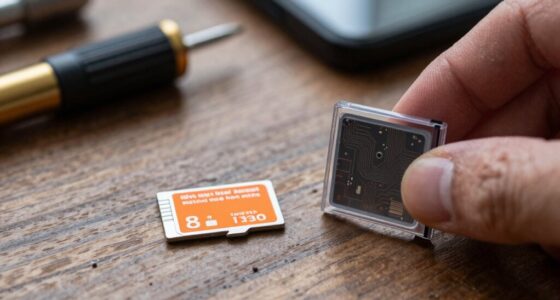

To maximize your microSD card’s lifespan, avoid rushing data recovery, as this can cause further damage. Don’t neglect wear leveling, which distributes data evenly and prevents early failure. Be careful with heavy data transfers and avoid using the same card for intensive tasks. Protect it from extreme temperatures and shocks, and store it properly. Regularly monitor its health and back up essential data. Keep learning to guarantee you don’t make these costly mistakes.

Get business pricing on garage and car supplies
- Business-only prices and quantity discounts
- Tax-exempt purchasing
- Multiple users, one account, clear invoices
Key Takeaways
- Rushing data recovery or using unreliable tools can cause additional damage and accelerate microSD wear.
- Ignoring wear leveling technology leads to uneven memory cell degradation and early card failure.
- Excessive high-volume writes and continuous data transfer shorten the card’s lifespan.
- Exposing the card to extreme temperatures, moisture, or physical shocks damages its internal structure.
- Neglecting regular health monitoring and backups increases the risk of significant data loss upon failure.
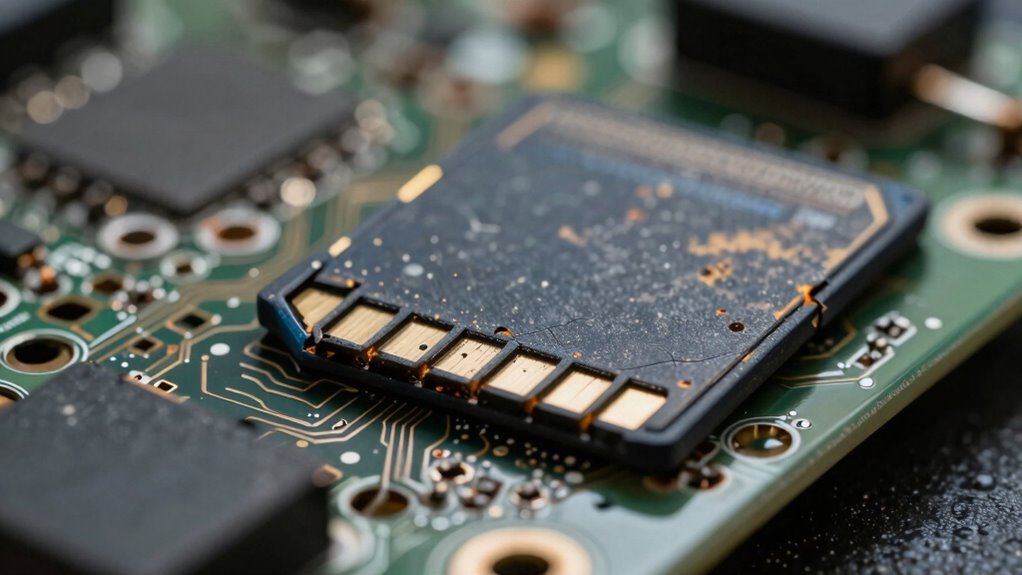
When it comes to microSD cards, many users overlook essential factors that can considerably impact their endurance and lifespan. One common mistake is not considering how data recovery plays into the card’s longevity. If you accidentally delete files or experience corruption, rushing to recover data without proper precautions can cause further damage. Using unreliable recovery tools or repeatedly rewriting data can wear out the card faster. Instead, you should choose reputable data recovery solutions and avoid unnecessary read/write cycles. This approach helps prevent additional strain on the memory cells, extending the microSD’s useful life. Additionally, understanding the wear leveling process is crucial, as it helps distribute data evenly and prolongs the lifespan of your microSD card. Properly managing write cycles is also essential, as excessive writing can accelerate wear and reduce the device’s overall durability. Another critical factor often ignored is wear leveling. Many users assume that all microSD cards are equally durable, but without effective wear leveling, the same memory cells get used repeatedly, leading to early failure. Wear leveling distributes data evenly across the storage, preventing hotspots and prolonging the card’s life. If your microSD doesn’t support this feature, it’s more vulnerable to premature wear, especially if you frequently write large amounts of data. To avoid this, always check if your card features wear leveling technology before purchasing, and be mindful of how often and how much data you write to it. Proper card management is essential to maximize endurance and prevent premature failure. Overloading your microSD card with continuous, intensive writes is another costly mistake. Constantly transferring large files or running apps that generate frequent data writes can wear out the memory cells faster. Be cautious with high-volume data transfers, and consider keeping backups on other storage devices. Additionally, avoid using the same microSD for both high-endurance tasks and casual storage, as this uneven usage accelerates wear and tear. Proper handling and storage are often underestimated, yet they significantly impact your card’s lifespan. Exposure to extreme temperatures, moisture, or physical shocks can damage the microSD card’s internal structure, leading to data corruption and reducing its lifespan. Always store your card in a cool, dry place and handle it carefully to prevent unnecessary physical stress. Regularly inspecting your microSD for signs of damage or wear can help catch potential failures early. It’s also helpful to monitor the health status of your card using available tools to ensure optimal performance over time. Finally, neglecting regular backups can be a costly mistake in the long run. If your microSD fails unexpectedly, recovering lost data might be possible, but only if you have backups. Relying solely on data recovery tools after a failure can be risky and often incomplete. Maintaining regular backups ensures you won’t lose critical information if the card reaches the end of its lifespan or suffers an unforeseen issue.
Products Worth Considering

Nextbase iQ 4K Smart HD Dash Cam Pro with 64GB microSD Card – Front and Rear View, 1440p, Smart Sense Parking, Emergency SOS, Roadwatch AI

DEWALT 20V MAX XR Impact Driver, 1/4 Inch High Torque Brushless 3-Speed Cordless with LED Light, Extended Runtime (DCF845B)

Milwaukee 2697-22 M18 18-Volt Lithium-Ion Cordless Hammer Drill/Impact Driver XC Combo Kit (2-Tool)
As an affiliate, we earn on qualifying purchases.
Frequently Asked Questions
How Can I Test My microSD Card’s Endurance Effectively?
To test your microSD card’s endurance effectively, start by using specialized tools like H2testw or StressDisk to perform write and read tests. This helps identify potential issues before data recovery becomes necessary. Regularly monitoring storage optimization and ensuring proper handling reduces wear. Keep backups of your important data, so you’re prepared for any failure, and avoid overloading your card with excessive data writes, which can shorten its lifespan.
What Brands Offer the Most Durable microSD Cards?
In the domain of microSDs, you’ll want to look at brands with top-tier durability ratings, like SanDisk, Samsung, and Kingston. These brands consistently outperform others in durability ratings, offering reliable performance even under demanding conditions. Brand comparisons show SanDisk often leads in longevity, while Samsung and Kingston also provide excellent options. Choosing these trusted names minimizes the risk of failure, ensuring your data stays safe and your device runs smoothly longer.
How Does Temperature Affect microSD Card Longevity?
Temperature impacts your microSD card’s longevity by affecting thermal expansion and heat dissipation. Excessive heat causes materials to expand, potentially damaging internal components. Poor heat dissipation traps heat inside, accelerating wear and risking data loss. To protect your card, avoid exposing it to high temperatures, especially during extended use. Keep it in a cool, dry place, and guarantee proper airflow to minimize thermal stress and extend its lifespan.
Can Frequent Rewriting Damage My microSD Card?
Frequent rewriting can indeed damage your microSD card over time, especially if you push its storage capacity to the limit. Continuous write cycles wear down the flash memory, increasing the risk of data recovery issues and potential data loss. To prolong your card’s lifespan, avoid excessive rewriting and regularly back up important data. This way, you safeguard your storage capacity and guarantee your data remains safe even if the card eventually fails.
What Are the Signs of a Failing microSD Card?
If your microSD card is failing, you’ll notice signs like frequent data recovery issues, corrupted files, or sudden storage capacity loss. It’s as if your data is slipping away like grains of sand. You might also experience read/write errors or the card not being recognized. Pay attention to these signs early—ignoring them risks losing essential data and facing costly repairs. Replace it promptly to safeguard your storage capacity.
Conclusion
Avoiding these costly microSD endurance mistakes can save you time and money. Did you know that improperly handling or overusing your microSD card can reduce its lifespan by up to 50%? By being mindful of factors like temperature, usage, and quality, you guarantee your data stays safe and your device runs smoothly. Stay informed and proactive—you’ll extend your microSD’s life and get the most out of your investment.