
To pick the right TPMS for daily driving, focus on models with reliable sensors that are durable and easy to install. Look for systems that offer simple calibration options and automatic adjustments to reduce guesswork. Guarantee the system is compatible with your vehicle and provides clear alerts—both visual and audible—so you stay informed. Regular maintenance and sensor checks help keep everything running smoothly. Keep exploring to learn how choosing the right system boosts safety and efficiency.

Get business pricing on garage and car supplies
- Business-only prices and quantity discounts
- Tax-exempt purchasing
- Multiple users, one account, clear invoices
Key Takeaways
- Ensure compatibility with your vehicle’s make and model for seamless integration.
- Choose sensors with durable construction to withstand daily driving conditions.
- Prioritize systems with easy calibration and automatic adjustment features.
- Look for reliable alert systems with clear visual and audible warnings.
- Consider sensors that offer straightforward installation and regular maintenance options.
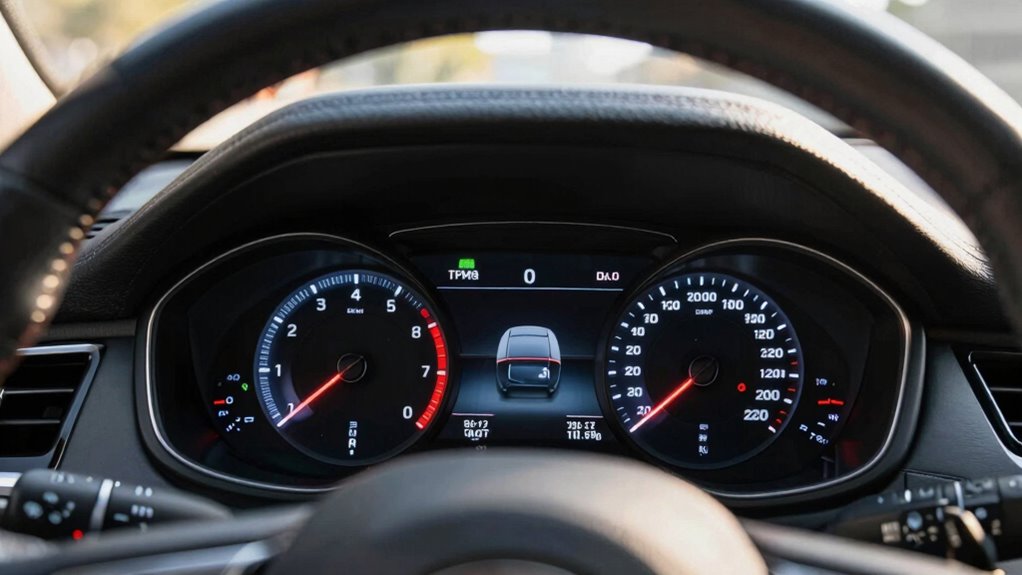
Choosing the right Tire Pressure Monitoring System (TPMS) is vital for maintaining your vehicle’s safety and efficiency. When you’re selecting a system, you want one that provides accurate tire pressure readings and is easy to maintain. Tire pressure monitoring is more than just a convenience; it’s an essential safety feature that helps prevent blowouts, improve fuel economy, and extend tire life. As you evaluate options, think about how the system handles sensor calibration, which guarantees the sensors are providing precise data. Proper calibration is fundamental because inaccurate readings can lead you to ignore real problems or, conversely, cause unnecessary worry about minor issues.
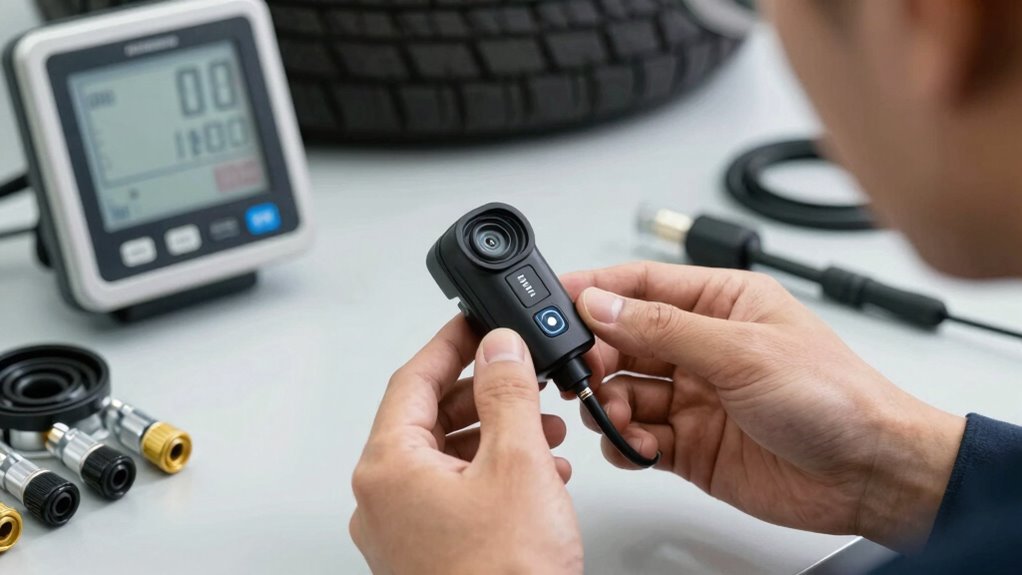
You should look for a TPMS that offers reliable tire pressure monitoring with sensors that are durable and easy to install. Many systems come with direct sensors that attach directly to each tire valve, providing real-time data sent to your vehicle’s display or a dedicated monitor. These sensors need to be calibrated correctly after installation or when changing tires to guarantee accurate readings. Sensor calibration involves resetting the system to recognize the new baseline tire pressures, which can often be done via a simple button press or through the vehicle’s onboard menu. A system that simplifies this process saves you time and reduces the risk of misreading tire pressures, which is essential for daily drivers. Additionally, choosing a system with sensor durability ensures long-term performance even under harsh driving conditions. Being aware of installation procedures can also help ensure your system functions properly from the start.
Another aspect to consider is whether the TPMS alerts you proactively when pressure drops below safe levels. Some systems offer visual alerts on your dashboard, while others provide audible warnings. Make sure the alerts are clear and consistent, so you aren’t caught off guard while driving. You also want a system that’s compatible with your vehicle’s make and model, ensuring seamless integration and reliable performance. Regularly checking and maintaining your sensors can further enhance system reliability and longevity.
Ease of maintenance is another factor to keep in mind. Sensor calibration might be needed periodically, especially after tire rotations or replacements. Choose a TPMS that makes this process straightforward, perhaps with automatic calibration features or user-friendly interfaces. This way, you stay ahead of tire issues without guesswork, maintaining safety and peak vehicle operation.
Being aware of system compatibility can help prevent potential issues with integration and ensure your TPMS functions correctly with your vehicle. Ultimately, selecting the right TPMS for your daily driving needs involves balancing accuracy, ease of calibration, and reliable alerts. By prioritizing systems that focus on precise tire pressure monitoring and simple sensor calibration procedures, you guarantee your vehicle remains safe, fuel-efficient, and ready for the road without unnecessary hassle or guesswork.
TPMS tire pressure monitoring system
As an affiliate, we earn on qualifying purchases.
As an affiliate, we earn on qualifying purchases.
Frequently Asked Questions
Can TPMS Be Installed on All Vehicle Types?
Yes, TPMS can be installed on most vehicle types, but you need to take into account tire maintenance and sensor compatibility. Not all sensors fit every vehicle, especially older models or unique designs. You should check your vehicle’s specifications and verify the sensor you choose matches your tires and system. Consulting with a professional can help you select the right TPMS, guaranteeing accurate readings and effective tire pressure monitoring.
How Often Should I Calibrate My TPMS?
Think of your TPMS sensors as the heartbeat of your tires; they need regular checkups to stay accurate. You should calibrate your TPMS at least once a year or if you notice warning lights or irregular readings. Maintaining sensor accuracy through proper calibration frequency guarantees your tire pressure readings are reliable, keeping you safe and preventing uneven wear. Don’t wait for a warning—keep your system tuned like a well-oiled machine.
Do TPMS Systems Require Professional Installation?
No, TPMS systems don’t always require professional installation, but it depends on your vehicle and sensor compatibility. If you’re comfortable with basic tools, you might handle sensor replacement yourself to save on installation costs. However, professional installation guarantees proper setup, especially for complex systems or newer vehicles. It’s wise to consult your vehicle’s manual or a specialist to confirm compatibility and get expert help if needed.
Are There Wireless TPMS Options Available?
Imagine your car’s tire pressure data seamlessly flowing to your dashboard like a gentle stream—wireless TPMS options make this possible. These systems boast wireless compatibility and sensor integration, eliminating cumbersome wires. You simply install the sensors, connect them via Bluetooth or Wi-Fi, and stay informed without difficulty. This hassle-free setup guarantees your daily drive remains safe, with real-time alerts that keep you ahead of potential tire issues.
What Is the Average Lifespan of a TPMS Sensor?
On average, a TPMS sensor lasts about 5 to 10 years, depending on sensor durability and driving conditions. You should plan for replacement intervals around this timeframe, especially if you notice warning lights or tire issues. Regularly check the sensors’ performance and replace them as needed to maintain accurate tire pressure readings. Proper maintenance guarantees your TPMS continues functioning reliably, safeguarding your daily driving experience.
automatic calibration TPMS sensors
As an affiliate, we earn on qualifying purchases.
As an affiliate, we earn on qualifying purchases.
Conclusion
Choosing the right TPMS keeps you safer and saves money—did you know that underinflated tires can reduce fuel efficiency by up to 3%? By understanding your driving needs and picking a system that fits, you prevent accidents and extend your tires’ lifespan. Don’t guess when it comes to tire safety; make an informed choice and enjoy smoother, more efficient drives every day. Your journey towards smarter driving starts with the right TPMS today.
vehicle compatible TPMS with audible alerts
As an affiliate, we earn on qualifying purchases.
As an affiliate, we earn on qualifying purchases.
As an affiliate, we earn on qualifying purchases.
Halloween Picks
halloween
As an affiliate, we earn on qualifying purchases.