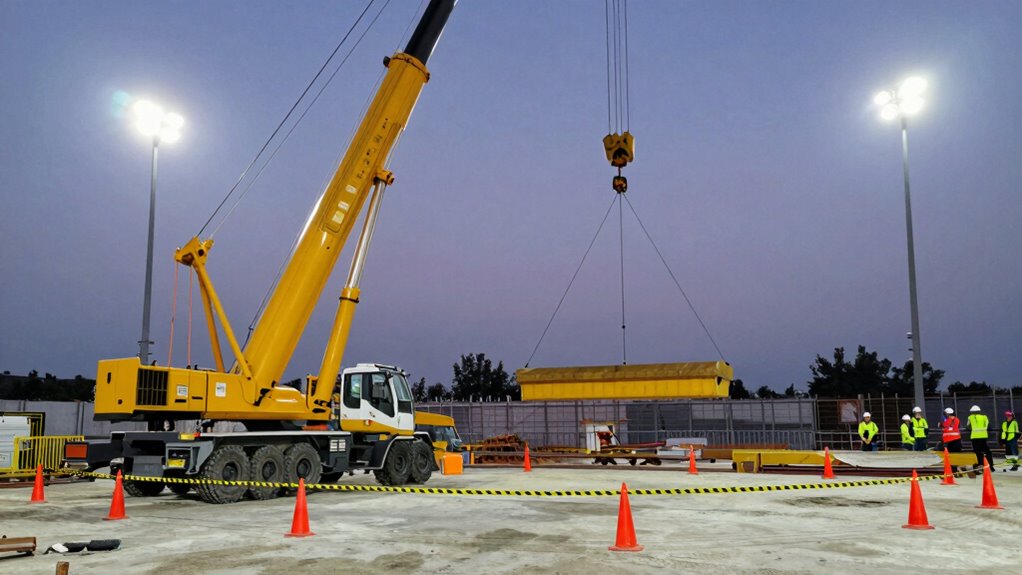

During winching operations, you should stand outside the established safety zone, which extends at least twice the cable length in all directions, to avoid injury from cable recoil, falling loads, or equipment failure. Always stay behind the winch and avoid being in the line of tension or directly in the vehicle’s path. Maintaining a safe distance helps protect you from unexpected hazards. To understand exactly where to stand and why, keep exploring these safety principles.

Get business pricing on garage and car supplies
- Business-only prices and quantity discounts
- Tax-exempt purchasing
- Multiple users, one account, clear invoices
Key Takeaways
- Stand behind the winch and cable to avoid injury from recoil or snapping if the cable fails.
- Maintain a safety zone at least twice the cable length in all directions to protect against hazards.
- Never stand directly in line with the cable or vehicle path to prevent injury from sudden movements.
- Use clear signals or radios for communication, ensuring everyone is aware of start and stop points.
- Regularly inspect equipment and stay vigilant to prevent accidents and respond quickly to emergencies.
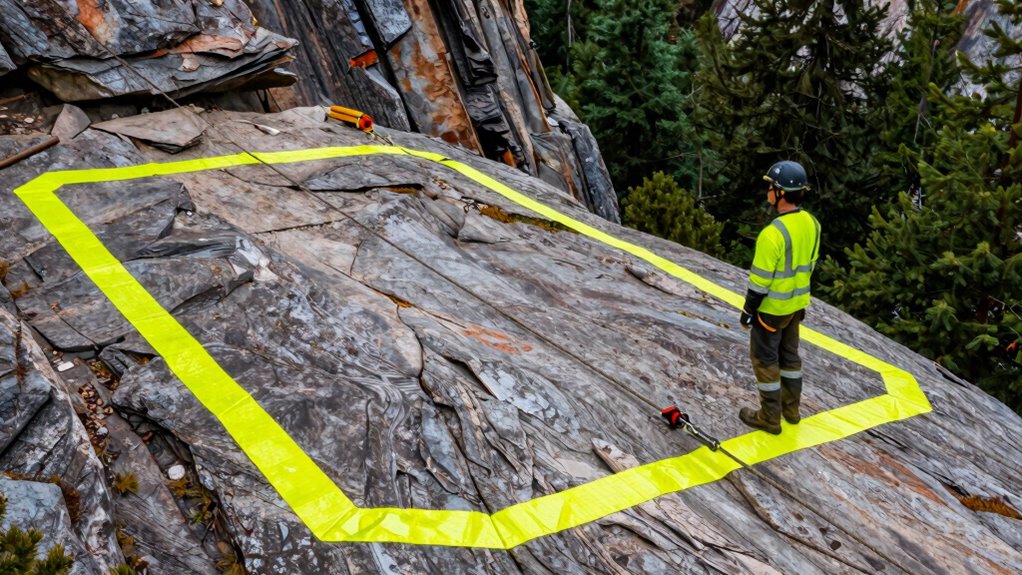
When performing a winching operation, establishing a safety zone is essential to prevent accidents and injuries. You need to be aware of where to stand and how to create a safe environment for everyone involved. The first step is ensuring proper vehicle preparation before you start. Check your vehicle’s stability—make sure it’s on solid ground and that the parking brake is engaged. Clear the area around the vehicle of any obstacles or bystanders. Confirm that the winch, cables, and hooks are in good condition, and never operate a damaged or worn-out winch. Proper vehicle preparation minimizes the risk of equipment failure or unexpected movement that could cause injury.
Once your vehicle is ready, you have to establish a clear safety zone around the operation site. This zone should extend at least twice the length of the winch cable in all directions, creating a buffer that keeps bystanders and other vehicles at a safe distance. You should always stand behind the winch, away from the line of tension, because when the cable suddenly snaps or slips, the force can cause the cable or hook to recoil with dangerous speed and force. Never stand directly in line with the cable or the vehicle’s path, as a sudden failure could lead to serious injuries. Understanding the winching safety zones is crucial to avoid potential hazards. Maintaining awareness of the equipment’s condition helps prevent unexpected failures that could result in accidents. Additionally, regularly inspecting your gear and understanding the load limits can significantly reduce the risk of equipment failure. Being familiar with the proper techniques ensures the operation is conducted safely and efficiently. It’s also important to keep a clear communication plan to coordinate efforts and respond quickly if issues arise.
Establish a safety zone twice the cable length, stay behind the winch, and avoid standing in the line of tension.
Emergency signaling is crucial during a winching operation. Before you begin, communicate your plan to everyone nearby using clear signals or radios. Use visible signals like hand gestures or flags if radios aren’t available, and make sure everyone understands when the operation is about to start or stop. Having a designated person to monitor the signals ensures quick, coordinated responses if something goes wrong. You also need to prepare for emergencies by setting up a secondary signaling system—such as warning lights or alarms—that can alert others to stop or evacuate the area immediately if necessary.
Your safety zone isn’t just about where you stand but also about how you communicate and prepare for contingencies. Keeping a safe distance, remaining alert, and using emergency signaling effectively can make all the difference in preventing injuries during winching. Remember, a well-established safety zone isn’t just a rule; it’s your best protection against unexpected accidents. Staying vigilant and respecting these boundaries ensures everyone stays safe while you get the vehicle unstuck or moved.
As an affiliate, we earn on qualifying purchases.
Frequently Asked Questions
How Far Should I Stand From a Winch During Operation?
You should stand at least a safe distance of about 10 to 15 feet from the winch during operation, depending on its size and load. Always follow proper winch maintenance checks before use, ensuring the equipment is in good condition. Keep clear of the winch’s path and cable during operation, and review emergency procedures beforehand so you’re prepared for any unexpected situations. Your safety depends on maintaining this distance and staying alert.
What Are the Signs of a Potential Winching Hazard?
You’d think winching hazards would be obvious, but sometimes they’re hidden in plain sight. Watch for frayed cables, strange noises, or sudden jerks—these are signs of potential hazards. Safety precautions include keeping clear of the line’s path and wearing proper gear. Ignoring these signs can turn a routine job into a disaster. Stay alert, stay safe, and remember that recognizing the warning signs is your best shield against injury.
Can Bystanders Safely Assist With Winching?
Bystanders can assist with winching only if they follow strict spectator precautions and stay outside designated safety zones. You should never stand directly in the winching path or near the cable, as sudden snaps can cause serious injuries. If you’re trained and aware of emergency response procedures, you can help by guiding others, communicating clearly, and ensuring everyone remains at a safe distance. Always prioritize safety and never take unnecessary risks.
What Protective Gear Is Recommended When Near a Winch?
When you’re close to a winch, imagine armor protecting you from flying debris or sudden jerks. You should wear protective clothing that covers your skin and safety gloves to keep your hands safe from sharp edges and hot surfaces. This gear acts as your shield, ensuring you stay unscathed during operation. Don’t forget, proper protective gear keeps you safe while you help or supervise, turning a risky task into a controlled effort.
How Do Weather Conditions Affect Winching Safety Zones?
Weather impact considerably influences winching safety zones. Rain, snow, or fog can make surfaces slippery, increasing your risk of slipping or losing control during winching. Wind can cause unexpected movement of the cable or load, so you need to stay alert and maintain a safe distance. Always consider weather conditions and adapt your safety considerations accordingly, standing in designated zones that keep you protected from potential hazards caused by changing weather.
As an affiliate, we earn on qualifying purchases.
Conclusion
Remember, respecting the designated winching safety zones isn’t just wise—it’s essential. Stand in the safest spot, stay alert, and keep clear of the cable’s course. Proper positioning prevents problems and protects you from potential peril. Prioritize safety, practice patience, and promote protection. Peace of mind comes when you position properly, prevent problems, and practice prudence. Play it safe, stay sharp, and guarantee everyone stays secure during every winching operation.
As an affiliate, we earn on qualifying purchases.
As an affiliate, we earn on qualifying purchases.
Columbus Day / Indigenous Peoples' Day Picks
long weekend sales
As an affiliate, we earn on qualifying purchases.