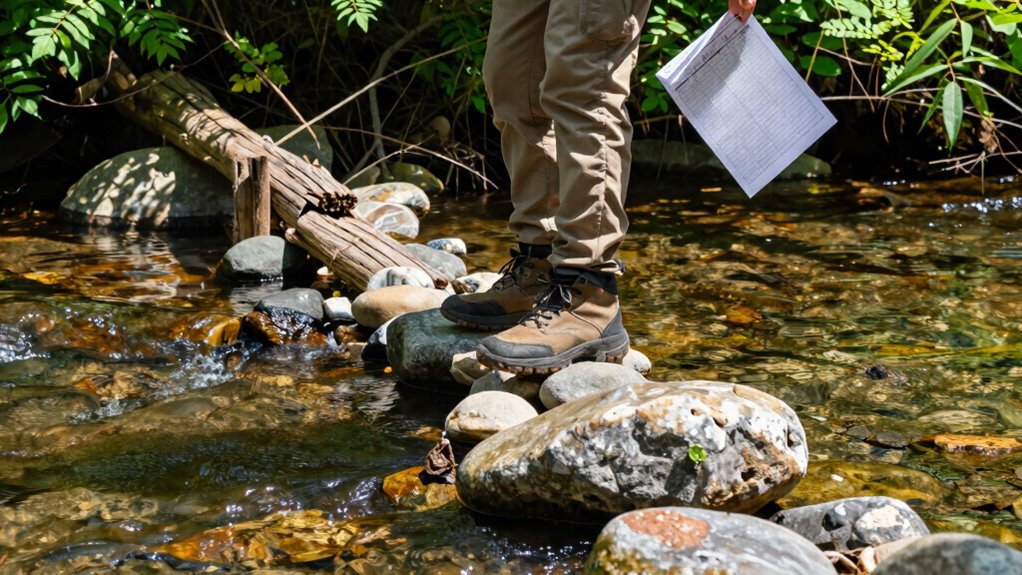
Before crossing water, assess the depth, current, and potential hazards such as recent storms or fast-moving water. Look for a shallow, stable entry point with a gradual slope and clear riverbed. Use a trekking pole and sturdy footwear to test the ground and maintain balance, moving steadily without rushing. Carry safety gear like a dry bag, waterproof gloves, and a headlamp. Paying attention to environmental cues helps you stay safe—there’s more to contemplate as you continue.

Get business pricing on garage and car supplies
- Business-only prices and quantity discounts
- Tax-exempt purchasing
- Multiple users, one account, clear invoices
Key Takeaways
- Assess water depth, current strength, and potential hazards before crossing.
- Ensure weather conditions are stable and unlikely to worsen during the crossing.
- Use proper equipment like sturdy footwear, trekking pole, and dry bag for safety.
- Choose a gradual, stable entry point with firm riverbed and approach slowly.
- Communicate plans, assign roles, and be prepared to back out if conditions worsen.
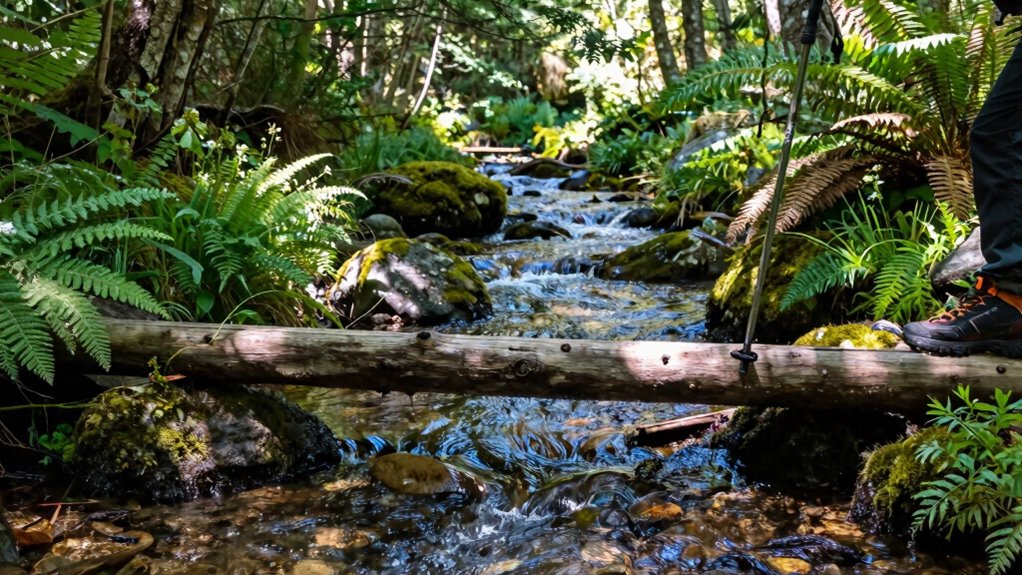
When approaching a water crossing, it’s essential to assess the situation carefully before committing. You need to understand the depth, current, and potential hazards to make an informed decision. Safety precautions should be your top priority, so don’t rush into crossing without a clear plan. Check for signs of recent storms or fast-moving water, as these can drastically increase risks. If the water appears too deep or the current too strong, it’s better to find an alternative route. Remember, rushing into a crossing without proper preparation can lead to dangerous situations, so take your time to evaluate everything thoroughly.
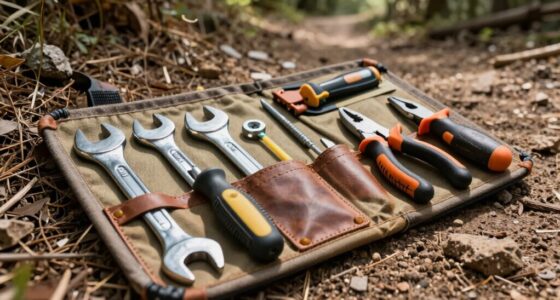
Before you proceed, ensure you have all the equipment essentials ready. These include sturdy footwear with good grip, a walking stick or trekking pole to test the depth and stability of the riverbed, and, if possible, a dry bag to keep valuables safe. A pair of waterproof gloves can help you grip wet surfaces securely, and a headlamp or flashlight is useful if visibility drops. If you’re traveling with others, communicate clearly about your plan and assign roles to ensure everyone’s safety. Carrying a personal flotation device is a good idea if the water looks unpredictable, and a multi-tool or knife can come in handy in emergencies. Proper equipment not only keeps you safe but also boosts your confidence as you cross. Additionally, understanding indoor air quality and how to improve it can help you stay alert and focused during outdoor activities like water crossings, ensuring you remain prepared and aware of your surroundings. Recognizing potential hazards early on can make all the difference in staying safe. Being aware of your surroundings and potential risks can help you make smarter decisions and avoid dangerous situations. Once you’ve checked the water’s depth and current, look for a safe entry point. Aim for a spot with a gradual slope and stable riverbed rather than rushing water or rocky areas. Approach slowly, maintaining three points of contact—either two feet and a hand or two hands and a foot—to stay balanced. Use your trekking pole or stick to test the ground ahead and gauge depth. Keep your body upright and centered to avoid losing balance, and move steadily without rushing. If at any point the crossing feels unstable or you’re unsure, don’t hesitate to back out and look for a safer alternative. Also, remember that weather conditions can change rapidly, so stay alert to any signs of worsening weather that could impact water levels or flow. Being knowledgeable about biodiversity and local ecosystems can help you better understand the environment and identify safer crossing points.
waterproof hiking boots with good grip
As an affiliate, we earn on qualifying purchases.
As an affiliate, we earn on qualifying purchases.
Frequently Asked Questions
What Are the Best Times of Year for Water Crossings?
The best times of year for water crossings are usually during late summer or early fall when river currents are calmer and water levels are lower. During these times, crossing techniques become easier and safer. You’ll want to avoid periods after heavy rains or snowmelt, as high water levels and strong currents increase risks. Always check recent conditions and plan your crossing when river currents are manageable to guarantee safety.
How Do I Identify Hidden Hazards Beneath the Water?
You peer into the water, feeling the tension build. To spot hidden hazards beneath, check for submerged obstacles and water depth variations. Use a stick or pole to probe the water’s surface and test the bottom’s firmness. Look for ripples, debris, or unusual currents that hint at unseen dangers. Be cautious—what appears safe might hide submerged obstacles lurking just beneath, waiting to catch you off guard.
What Safety Gear Is Essential for Crossing Water?
You need essential safety gear like a life jacket or personal flotation device, sturdy waterproof boots, and a helmet if the crossing involves rocks or swift currents. Always carry a waterproof map or GPS device, and consider a walking stick for stability. These gear essentials keep you safe, helping you maintain balance and buoyancy, especially in unpredictable waters. Prioritize your safety by ensuring all equipment is in good condition before crossing.
How Do Weather Conditions Affect Water Crossing Safety?
Weather conditions are like a wild card in your hand, dramatically shaping water crossing safety. Hydrological impacts from heavy precipitation patterns can swell streams quickly, making crossings dangerous or impossible. Sudden storms or rapid temperature changes can weaken water flow or ice stability. Always check weather forecasts and water levels before crossing, and remain flexible, knowing that changing weather can turn a safe crossing into a risky challenge.
When Should I Seek Professional Guidance for Water Crossings?
You should seek professional guidance whenever you’re unsure about the water crossing, especially if conditions seem risky or unfamiliar. Professionals can suggest alternative routes or proper crossing techniques to guarantee safety. If you lack experience or the crossing appears challenging, don’t hesitate to get expert advice. Their guidance helps you avoid accidents, choose safer alternatives, and cross confidently, making your adventure safer and more enjoyable.
trekking pole for water crossings
As an affiliate, we earn on qualifying purchases.
As an affiliate, we earn on qualifying purchases.
Conclusion
Before you cross, check your gear, assess the water, and plan your route. Prepare your mind, double-check your equipment, and stay alert. Respect the water, trust your skills, and remember safety comes first. Water crossings demand caution, awareness, and confidence. Follow this checklist, stay vigilant, and enjoy your adventure. Because when you prioritize safety, every crossing becomes a confident step forward, turning challenges into triumphs and moments into memories.
As an affiliate, we earn on qualifying purchases.
personal flotation device for water crossing
As an affiliate, we earn on qualifying purchases.
As an affiliate, we earn on qualifying purchases.
Halloween Picks
halloween
As an affiliate, we earn on qualifying purchases.