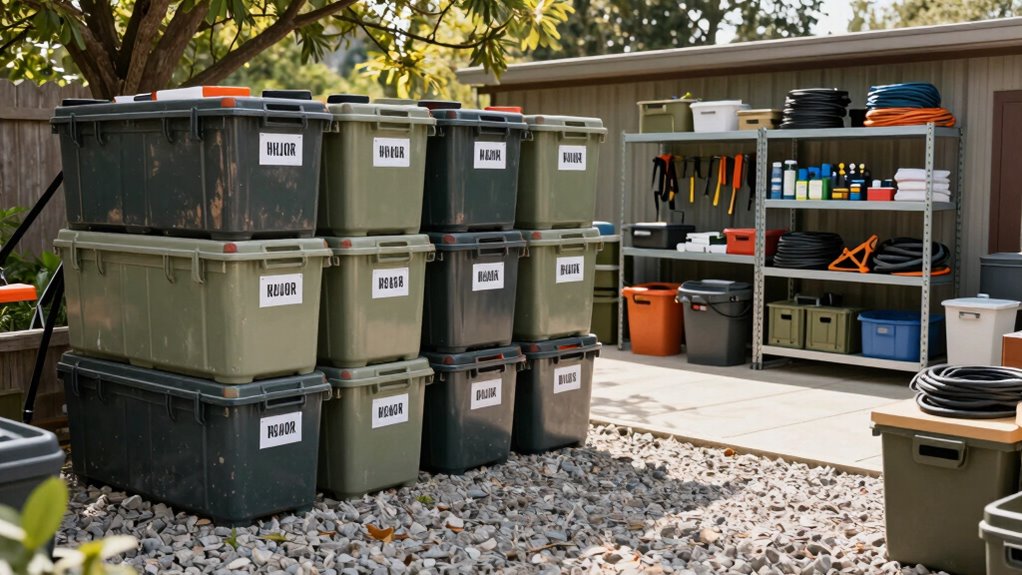

To stop burying essentials, focus on developing a strategic storage plan that emphasizes data safety, accessibility, and scalability. Avoid cluttered hardware investments and instead build a resilient system with layered backups and cloud integration. This approach reduces risks like data loss or system failure, guarantees quick access to crucial information, and adapts to growing needs. Keep exploring to discover how aligning your storage with organizational goals can transform your data management.

Get business pricing on garage and car supplies
- Business-only prices and quantity discounts
- Tax-exempt purchasing
- Multiple users, one account, clear invoices
Key Takeaways
- Develop a strategic storage plan focusing on data safety, accessibility, and organization rather than just expanding hardware.
- Implement redundancy and resilient infrastructure to ensure continuous data availability during failures or disasters.
- Integrate cloud solutions for scalability, flexibility, and cost-effective data management.
- Avoid scattered, redundant data by centralizing and properly managing storage systems.
- Build a scalable, resilient infrastructure aligned with organizational needs to maximize data value and minimize downtime.
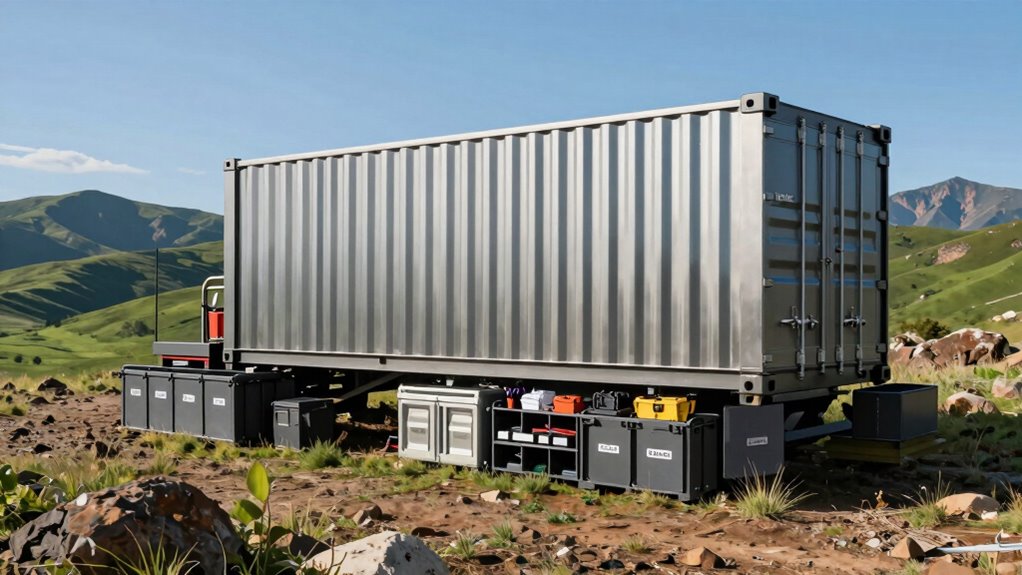
Are you prepared to optimize your data management strategy? If not, you might be risking data loss, inefficiencies, and increased costs. Overland storage planning isn’t just about purchasing more hardware or expanding capacity; it’s about creating a smart, reliable system that keeps your data safe and accessible. One vital aspect to consider is data redundancy. By implementing redundant storage solutions, you guarantee that even if one system fails, your data remains intact and accessible. This isn’t just about backup copies — it’s about designing a resilient infrastructure that automatically replicates data across multiple locations or devices, minimizing downtime and protecting against hardware failures, natural disasters, or cyberattacks.
Implementing data redundancy ensures continuous access and protection against failures and disasters.
Furthermore, many organizations overlook the importance of cloud integration in their storage planning. Cloud services offer scalability, flexibility, and cost-efficient options that traditional storage methods can’t match. Integrating cloud storage with on-premises systems allows you to create a hybrid environment where data can seamlessly move between local storage and the cloud. This setup reduces the need for excessive physical hardware, cuts maintenance costs, and simplifies data management. Plus, cloud integration supports real-time backups and disaster recovery plans, ensuring your data is protected no matter what happens. Incorporating cloud integration strategies helps organizations optimize their storage infrastructure for better resilience and efficiency.
Thinking about overland storage planning without contemplating these elements is like trying to navigate a complex landscape with a broken compass. You might end up with scattered, redundant data that’s difficult to manage or an over-investment in hardware that quickly becomes obsolete. Instead, focus on designing a system that’s aligned with your organization’s needs, leveraging data redundancy to prevent loss and utilizing cloud integration for agility and cost savings. By doing so, you create a more streamlined approach that stops burying essential data under layers of unnecessary complexity.
Incorporating these strategies also means you can better handle growing data volumes without constantly expanding your physical infrastructure. As your data needs evolve, a well-planned storage system can adapt, giving you the flexibility to scale up or down efficiently. This proactive approach minimizes downtime and maximizes data availability, giving you peace of mind and enabling you to concentrate on your core business objectives rather than firefighting storage issues. Ultimately, a thoughtful overland storage plan that emphasizes data redundancy and cloud integration ensures your data remains protected, accessible, and manageable — so you’re not just storing data, but strategically leveraging it for success. Understanding the importance of content management helps you build a more resilient and adaptable storage infrastructure.
enterprise data storage solutions
As an affiliate, we earn on qualifying purchases.
As an affiliate, we earn on qualifying purchases.
Frequently Asked Questions
How Often Should Storage Plans Be Reviewed and Updated?
You should review and update your storage plans at least annually, or sooner if your storage capacity needs change considerably. Regular updates ensure your data redundancy strategies stay effective, protecting against potential failures or data loss. Keep an eye on growth trends, technology advancements, and business requirements. This proactive approach helps optimize storage efficiency, maintain data safety, and prevent unnecessary downtime or capacity shortages.
What Are Common Mistakes in Overland Storage Planning?
Did you know that 60% of data loss incidents are due to poor storage planning? Common mistakes include neglecting data redundancy and disaster recovery strategies, which can leave you vulnerable. Failing to evaluate storage needs regularly or overestimating capacity can lead to costly disruptions. Avoid these pitfalls by implementing robust redundancy measures and disaster recovery plans, ensuring your data stays protected and accessible, no matter what happens.
How to Prioritize Storage Needs During Planning?
You should prioritize storage needs by focusing on critical data first, ensuring data redundancy to prevent loss. Consider disaster recovery requirements to maintain business continuity during outages or failures. Evaluate your current and future data growth, then balance performance with capacity needs. By aligning storage investments with essential functions and safety measures, you prevent costly upgrades later. This strategic approach helps you build a resilient, scalable storage plan that supports your organization’s core operations.
What Tools Assist in Effective Storage Planning?
You can use tools like inventory management software and space optimization apps to assist in effective storage planning. These tools help you organize your inventory efficiently, identify storage gaps, and maximize space utilization. By tracking items accurately and analyzing storage patterns, you guarantee essentials are accessible and well-structured. This approach minimizes clutter, improves workflow, and supports scalable storage solutions, making your planning more strategic and responsive to your needs.
How Does Future Growth Impact Current Storage Decisions?
Future growth influences your current storage decisions by highlighting scalability challenges and emphasizing the need for accurate capacity forecasting. If you underestimate future demands, you risk running out of space or facing costly upgrades. Planning with scalability in mind allows you to adapt quickly and efficiently. By forecasting capacity needs now, you guarantee your storage infrastructure supports your growth, avoiding disruptions and maintaining performance as your data requirements expand.
As an affiliate, we earn on qualifying purchases.
Conclusion
By adopting thoughtful overland storage planning, you’ll stop burying essentials in the chaos of disorganization. Think of your storage system as a well-tended garden—every item has its place, ready to bloom when needed. When you prioritize strategic placement, you create a resilient, accessible environment that works as hard as you do. Don’t let clutter be the silent thief of productivity; instead, let smart planning be the guiding compass to clarity and efficiency.
redundant network attached storage (NAS)
As an affiliate, we earn on qualifying purchases.
As an affiliate, we earn on qualifying purchases.
scalable backup and disaster recovery devices
As an affiliate, we earn on qualifying purchases.
As an affiliate, we earn on qualifying purchases.
Halloween Picks
halloween
As an affiliate, we earn on qualifying purchases.