
To care for your synthetic winch rope, regularly clean off dirt and debris with water and mild soap, avoiding harsh chemicals that weaken fibers. After use, hang it in a shaded, well-ventilated area to dry completely, preventing mold and moisture damage. Protect it from UV rays by storing it out of direct sunlight and using UV protectant sprays if you notice fading. Proper maintenance helps extend your rope’s lifespan—learn more about keeping it in top condition.
Key Takeaways
- Regularly remove dirt, mud, and debris after use to prevent abrasion and deterioration.
- Rinse with clean water and mild soap, avoiding harsh chemicals to maintain fiber integrity.
- Hang the rope in a shaded, well-ventilated area to dry completely, preventing mold and mildew.
- Protect the rope from prolonged sun exposure by storing it away from direct sunlight and using UV protectant sprays.
- Inspect regularly for signs of UV damage, fraying, or abrasion, and address issues promptly to extend lifespan.
Are you taking the right steps to maintain your synthetic winch rope? Proper care begins with how you store it when not in use. Rope storage is vital to prolonging its lifespan and guaranteeing safety during future recoveries. Always keep your synthetic winch rope in a clean, dry, cool place away from direct sunlight. Avoid leaving it on the ground, where dirt, mud, and moisture can accumulate, leading to premature wear. Instead, coil the rope neatly and store it in a breathable bag or storage container that prevents dirt and humidity buildup. This way, you reduce the risk of mold, rot, or other damage that can compromise its strength. Proper storage also helps prevent unnecessary abrasion, which is one of the main causes of damage to synthetic ropes. When handling the rope, be cautious to avoid dragging it across rough surfaces or sharp edges, which can cause nicks or cuts. Using a rope sleeve or protective cover can further shield it from abrasion, especially during transport or when stored near abrasive objects.
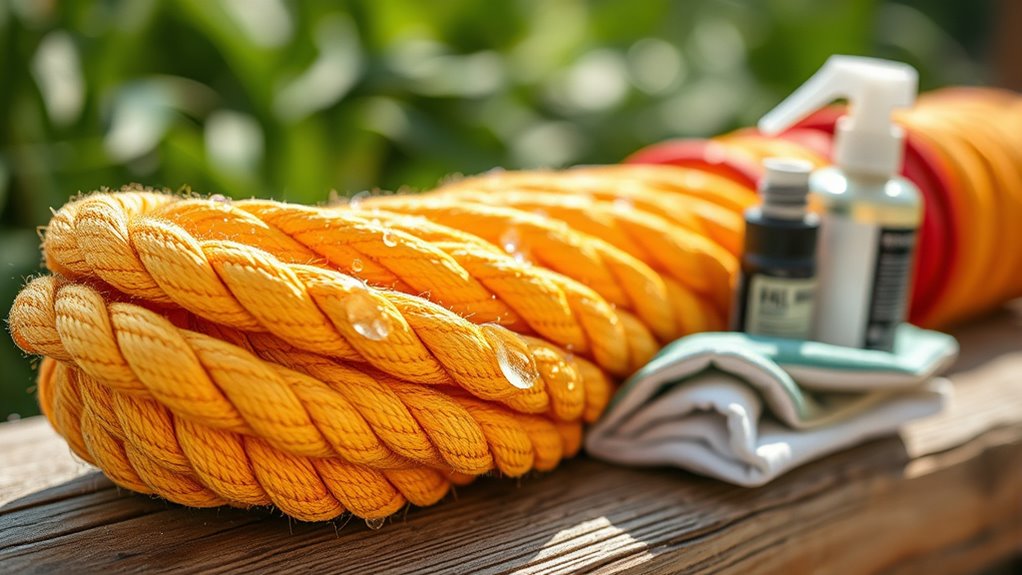
Abrasion prevention is a key factor in maintaining your synthetic winch rope’s integrity. Every time you use the rope, inspect it thoroughly for signs of fraying, cuts, or abrasion marks. If you notice any damage, address it immediately to prevent further deterioration or potential failure during a rescue. When deploying the rope, ensure it’s properly spooled and free of twists that can cause uneven wear. Keep it away from sharp rocks, jagged metal, or rough surfaces that could cut into the fibers. Employing a tree saver strap or padding when wrapping around trees or other anchor points can also help minimize abrasion. Regularly cleaning your rope after use can remove dirt, mud, and debris that might cause abrasion over time. Just rinse it with clean water and mild soap if necessary—never use harsh chemicals or solvents, which can weaken the fibers.
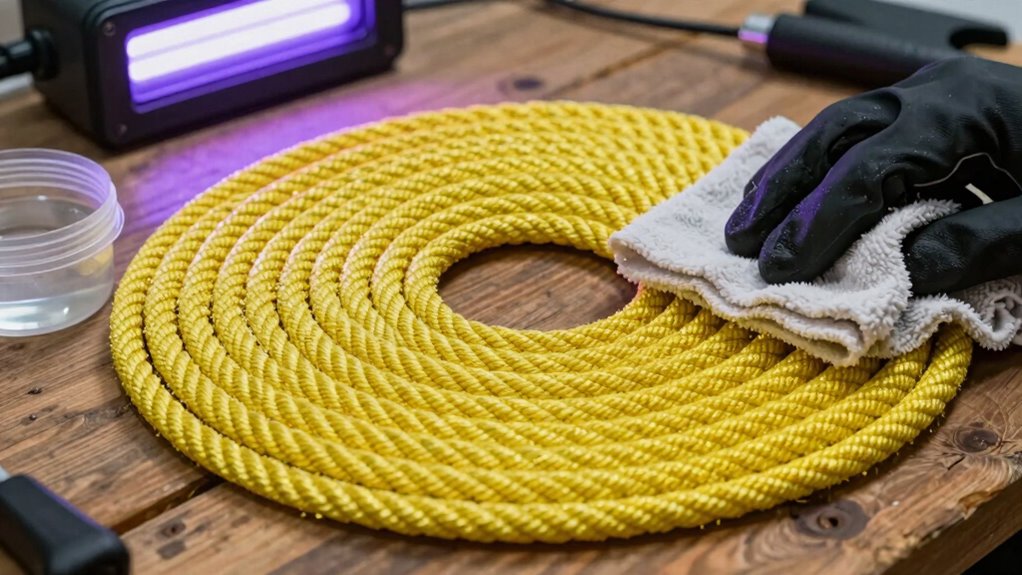
Drying your synthetic winch rope thoroughly is equally important. After cleaning, hang the rope in a shaded, well-ventilated area to dry naturally. Avoid direct sunlight during drying, as UV rays can weaken the fibers over time. Ensure the rope is completely dry before storing it away to prevent mold, mildew, or deterioration caused by moisture. If you notice any signs of UV damage, such as fading or brittleness, take steps to protect the rope from further sun exposure. Using UV protectant sprays designed for synthetic fibers can add an extra layer of defense. By paying attention to how you store, handle, and clean your synthetic winch rope, you extend its life and maintain its strength, guaranteeing it performs reliably whenever you need it.

TYT Synthetic Winch Rope Kit – 1/4'' x 50' with 10000 lbs Strength, Protective Sleeve, Heavy Duty Hook, Rubber Stopper, & Safety Pull Strap for Off-Road 4×4 Vehicles (Green) (JPS1450OG)
Extreme Duty Winch Rope Kit: Set of 4 includes 1/4" X 50' synthetic winch rope (10000 lbs), rubber…
As an affiliate, we earn on qualifying purchases.
As an affiliate, we earn on qualifying purchases.
Frequently Asked Questions
How Often Should I Replace My Synthetic Winch Rope?
You should replace your synthetic winch rope whenever regular rope inspection reveals significant wear or damage, such as fraying, cuts, or UV deterioration. Typically, consider replacement every 3 to 5 years, but it’s essential to monitor its condition regularly. If you notice any weak spots or deterioration during inspections, don’t wait—replace it promptly to guarantee safety and peak performance. Consistent inspection helps determine the right replacement frequency for your specific use.
Can Synthetic Ropes Be Used Underwater Repeatedly?
Think of your synthetic winch rope as a loyal buddy that’s built for adventure. Yes, it can be used underwater repeatedly thanks to its excellent submersion durability and underwater resilience. However, you should regularly inspect it for wear or damage after each dive. While it’s designed to handle water exposure, avoiding prolonged submersion prevents unnecessary stress, ensuring your rope stays strong and reliable in all your off-road escapades.
What Are Signs of Internal Damage in Synthetic Winch Ropes?
You’ll notice signs of internal damage in your synthetic winch rope if you see surface cracks or fraying along the fibers. Core damage might cause the rope to feel softer or less rigid, and it could even result in unexpected failure under load. Regularly inspect your rope for these signs, especially after heavy use or exposure to harsh conditions, to guarantee safety and maintain peak performance.
Are Synthetic Ropes More Environmentally Friendly Than Steel?
Synthetic ropes are generally more eco-friendly than steel because they’re made from eco-friendly materials and often include biodegradable options, reducing their environmental impact. Unlike steel, which can rust and cause pollution, synthetic ropes break down more easily and are lighter to transport, lowering emissions. Think of synthetic ropes as the greener branch on the tree—designed to minimize harm while providing strength and durability.
How Do Temperature Changes Affect Synthetic Winch Rope Performance?
Temperature changes can impact your synthetic winch rope’s performance through thermal expansion, which may slightly alter its length and flexibility. While synthetic ropes generally have good temperature resilience, extreme heat can weaken the fibers over time, and cold temperatures might make them more brittle. You should monitor how your rope responds to temperature fluctuations and avoid exposing it to extreme conditions to maintain peak strength and durability.
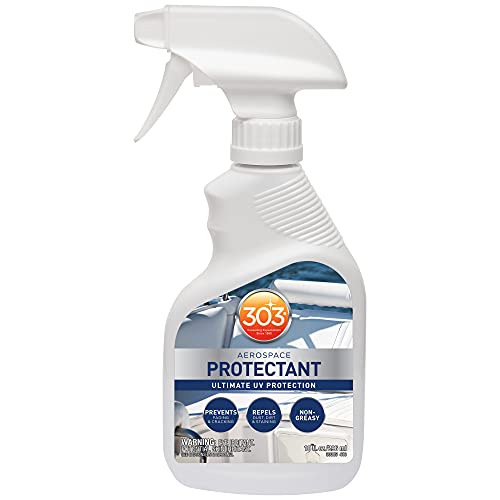
303 Products Marine Aerospace Protectant – UV Protection – Repels Dust, Dirt, & Staining – Smooth Matte Finish – Restores Like-New Appearance – 10 Fl. Oz. (30305)
Ultimate Protection – Superior protection against UV rays, dust, dirt, salt water, and staining keeps your products looking…
As an affiliate, we earn on qualifying purchases.
As an affiliate, we earn on qualifying purchases.
Conclusion
Proper care keeps your synthetic winch rope performing at its best. Regular cleaning, thorough drying, and UV protection extend its lifespan and ensure safety on every pull. Don’t you want your gear to last through countless adventures? By staying attentive to these simple steps, you’re investing in reliability and peace of mind. Keep your rope in top shape, and it’ll keep you moving forward, no matter the challenge. Ready to give your synthetic winch rope the care it merits?

Rhino USA Heavy Duty Recovery Gear Storage Bag – Ultimate Recovery Kit Equipment Bag For Off-Road Gear and 4×4 Accessories – Fits Tow Straps, Shackles, Snatch Block, and UTV Accessories(Green)
As an affiliate, we earn on qualifying purchases.
As an affiliate, we earn on qualifying purchases.
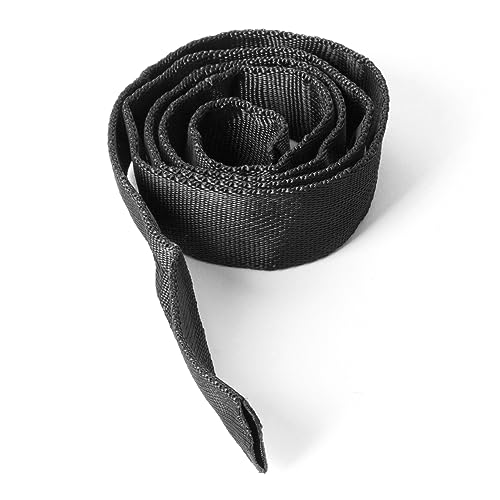
PSLER Universal Winch Rope Protector, Winch Cable Cover Winch Rope Protective Sleeve Polyester Cable Line (3.28ft * 1.18in)
【Winch Rope Protector】 The winch rope protector, winch rope sleeve, protective sleeve, to prevent the winch rope from…
As an affiliate, we earn on qualifying purchases.
As an affiliate, we earn on qualifying purchases.