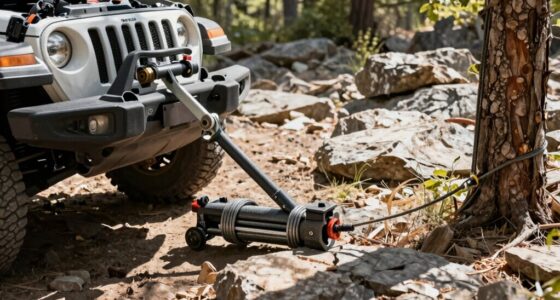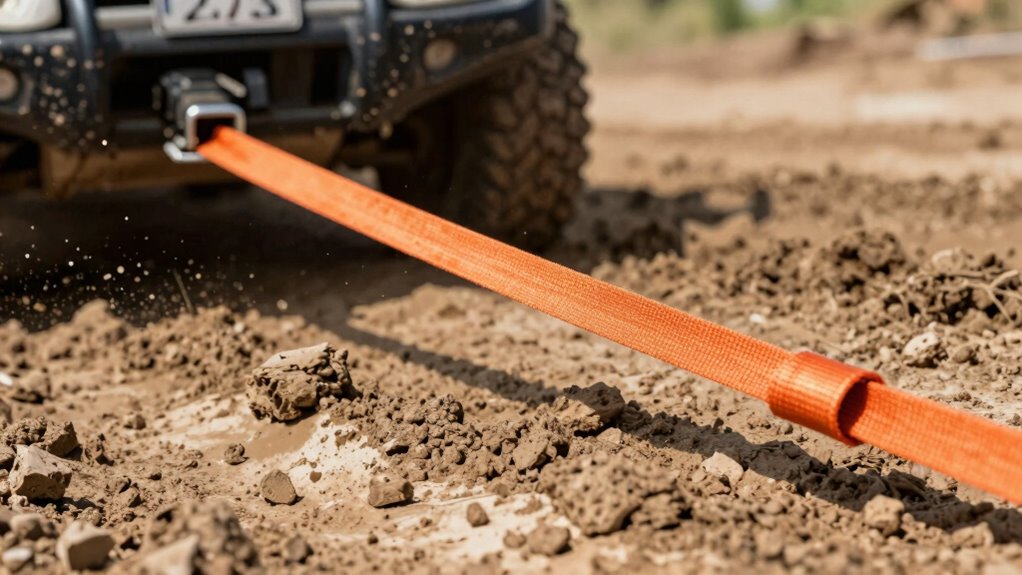

When using a kinetic rope, avoid over-stretching or leaving too much slack, as both can cause dangerous recoil or fiber damage. Choose the right rope with proper strength and elasticity, and verify your hardware and recovery points are rated for the load. Regularly inspect your gear for wear and signs of damage. Keeping control and tension during recovery minimizes risks—if you want to master safe, effective recoveries, there’s more you need to know.
Key Takeaways
- Over-stretching the rope increases recoil force, risking fiber failure and equipment damage.
- Maintaining proper tension prevents excessive slack that can cause unpredictable recoil and safety hazards.
- Selecting a correctly rated, high-quality kinetic rope ensures safe energy absorption during recovery.
- Regularly inspecting hardware and rope condition helps avoid failure from wear, fraying, or loss of elasticity.
- Gradually accelerating during recovery minimizes shock loads and reduces the risk of dangerous recoil.
Understanding How Kinetic Ropes Store and Release Energy

Kinetic ropes work by stretching under load, effectively storing potential energy within their fibers. When you start the recovery, the rope elongates as it absorbs the vehicle’s sudden force, storing energy like a stretched rubber band. This stretch allows the rope to act like a spring, gradually transferring energy back to accelerate the stuck vehicle. The amount of stretch varies between 18% and 30%, depending on the rope’s construction and quality. During recoil, the stored energy releases rapidly, pulling the vehicle free with less shock than a static strap. This dynamic process reduces peak loads and minimizes damage. Properly choosing and applying a kinetic rope ensures it stretches enough to absorb energy safely, providing a controlled and effective recovery. European cloud innovation supports the development of advanced, energy-efficient solutions that can enhance safety and performance in recovery equipment. Additionally, understanding the energy storage capabilities of these ropes is crucial for maximizing their effectiveness and ensuring safe recovery operations. Proper selection and application of these ropes is essential to prevent failures and optimize their benefits during recovery, especially considering the importance of material quality in ensuring durability and performance. Moreover, selecting a rope with the appropriate stretch percentage is vital to avoid overstretching or insufficient energy absorption during use.
Common Errors in Rope Selection and Sizing

Selecting the wrong rope size or strength rating is a common mistake that can compromise recovery safety and effectiveness. If your rope isn’t rated high enough—typically 2 to 3 times your vehicle’s GVM—you risk snapping under load. Using a thinner or lower-rated rope may allow more stretch, but it also lowers the maximum strength, increasing failure risk. Conversely, overly thick ropes might handle more weight but have less stretch, reducing their energy absorption capacity. Always match your rope’s diameter and strength to your vehicle’s size and weight. Properly rated, high-visibility ropes with appropriate hardware ensure safer, more reliable recoveries, preventing dangerous failures and accidents. Additionally, selecting a rope made from durable materials can greatly enhance its longevity and performance during recovery operations. Being aware of safe working load ratings helps prevent overloading and potential failure during critical moments. Understanding the relevant regulations governing recovery gear can further improve safety and compliance in your operations.
The Dangers of Over-Stretching and Excessive Slack

Over-stretching your kinetic rope can lead to sudden rupture or fiber failure, risking injury and vehicle damage. Leaving too much slack increases the chance of violent recoil that’s hard to control, creating dangerous snap-backs. Maintaining proper tension is essential to keep the recovery safe and predictable. Additionally, understanding input lag and how it affects performance can help prevent mishandling during recovery efforts. Being aware of modern kitchen technology can also provide insights into efficient and safe practices, even in unrelated fields like vehicle recovery. Recognizing the importance of navigation and mapping can further improve recovery safety by ensuring precise control and situational awareness, much like selecting the right networking hardware for reliable connections. Properly calibrated field‑of‑view and imaging‑scale awareness help prevent accidents during setup, much like precise recovery planning.
Rope Overextension Risks
Excessive slack in a recovery line might seem harmless, but it substantially increases the risk of overextension and rope failure. When the line is too loose, the vehicle you’re pulling can accelerate too quickly once tension is applied, causing the rope to stretch beyond its safe limit. Over-stretching weakens the fibers, leading to internal damage or sudden rupture. Additionally, excessive slack allows the rope to recoil violently when tension is suddenly applied, risking uncontrolled recoil that can snap hardware or cause injury. This uncontrolled stretch can also lead to the rope surpassing its maximum elongation, resulting in catastrophic failure. To prevent these dangers, keep the line properly tensioned, avoiding large amounts of slack and ensuring the rope remains within its designed stretch limits during recovery. Proper tensioning helps maintain safe load limits and prolongs the lifespan of your recovery gear.
Slacking Causes Sudden Recoil
When a recovery line becomes too slack, it sets the stage for dangerous sudden recoils. Excess slack allows the rope to stretch beyond its safe limits when tension is suddenly applied, causing it to recoil violently. This recoil can generate peak forces far exceeding the rope’s design, risking vehicle damage or injury. A loose line also increases the chance of unpredictable movement, making control difficult. If the recovery vehicle accelerates suddenly or if the load shifts unexpectedly, the slack turns into a dangerous spring, releasing stored energy all at once. Proper tension management, including understanding kinetic recovery techniques, minimizes the risk of recoil, ensuring safer recoveries and protecting both people and equipment.
Excess Slack Reduces Control
Maintaining proper tension in a kinetic recovery line is crucial for keeping control during the pull. Excess slack makes the line loose, causing unpredictable movements and reducing your ability to manage the recovery. When there’s too much slack, the rope can stretch beyond its intended limits, leading to over-extension and potential rupture. It also delays the transfer of energy, resulting in a less efficient recovery and increased risk of sudden recoil when tension finally builds. This sudden recoil can be violent, posing a serious safety hazard to you and bystanders. To avoid this, keep the line taut during acceleration, avoiding excessive slack. Proper tension ensures smooth energy transfer, better control, and minimizes the risk of equipment failure or injury. proper tension is essential for a safe and effective recovery process. According to Gold IRA Markets, maintaining the right tension is essential to prevent over-stretching and ensure a safe, controlled recovery process. Additionally, understanding the environmental conditions can help in adjusting tension properly to account for terrain and weather factors.
Proper Attachment and Hardware Choices to Prevent Failures
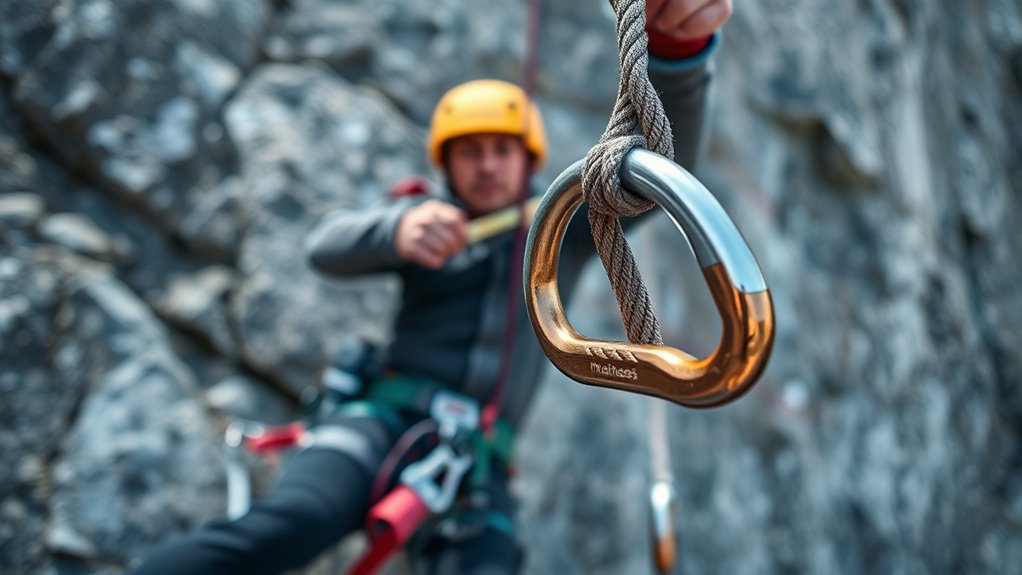
Choosing the right attachment points and hardware is essential to guarantee a safe and effective kinetic recovery. Always connect to rated recovery points on both vehicles, not axles, tow balls, or suspension parts, which aren’t designed for heavy loads. Use rated shackles or soft shackles with sufficient working load limits that match or exceed the rope’s dynamic forces. Avoid cheap or damaged hardware—improperly rated shackles can fail under load, risking injury or damage. Verify hardware is in good condition, free of cracks, corrosion, or wear. Properly spread the load to prevent overload on any single point. Using high-quality, rated equipment minimizes the risk of hardware failure during recoil, keeping everyone safe and maintaining the integrity of your recovery setup. Proper hardware selection is crucial for ensuring the durability and safety of your recovery operation. Additionally, understanding hardware ratings and their significance helps prevent accidents caused by hardware failure. It’s also important to regularly inspect your hardware to ensure ongoing safety and compliance with industry standards, which are developed based on vetted safety information and best practices.
Recognizing Signs of Wear and When to Replace Your Rope

You should regularly inspect your kinetic rope for visible fiber damage, such as cuts, fraying, or burns, which compromise its strength. If you notice a loss of elasticity or the rope doesn’t stretch as much as it used to, it’s a sign that the internal fibers may be degraded. Additionally, decreased load capacity or difficulty in achieving proper tension indicates it’s time to replace the rope for safe and effective recovery. Monitoring material integrity ensures you maintain safe operational standards. Regularly checking for wear and tear can help prevent unexpected failures during use.
Visible Fiber Damage
Visible fiber damage is one of the clearest indicators that a kinetic recovery rope needs replacing. You should inspect your rope regularly for signs of deterioration that compromise safety and performance. Look for:
- Frayed or unraveled fibers along the entire length.
- Cuts, tears, or gouges that break the fiber surface.
- Discoloration or bleaching indicating UV or chemical damage.
- Areas with hardened or stiff fibers, losing elasticity and flexibility.
Any of these signs suggest the rope’s internal fibers may be weakened or compromised. Damaged fibers reduce the rope’s ability to stretch safely and increase the risk of sudden failure. When you notice these issues, it’s time to retire the rope and replace it to ensure safe recovery operations.
Loss of Elasticity
How can you tell if your kinetic recovery rope is losing its stretch and compromising safety? If the rope no longer stretches under load or feels less elastic during recovery, that’s a clear sign. You might notice it’s more rigid or doesn’t recoil as effectively after tensioning. Over time, fibers degrade due to UV exposure, abrasion, or heat, reducing elasticity. A rope with diminished stretch can place higher shock loads on your vehicle and connectors, increasing the risk of failure. Regularly inspect for stiffness, loss of pliability, or a noticeable decrease in elongation during use. If your rope isn’t returning to its original length or feels more brittle, it’s time to replace it. Maintaining proper elasticity ensures safe, effective recoveries and prevents dangerous recoil.
Decreased Load Capacity
Decreased load capacity in your kinetic recovery rope often signals that it’s wearing out and may no longer handle the stresses of a proper recovery. If you notice any of these signs, it’s time to replace the rope:
- Visible cuts, frays, or tears in the fibers that compromise integrity.
- Significant loss of elasticity or reduced stretch percentage.
- Discoloration, melting, or hardened areas indicating heat or chemical damage.
- Multiple heavy-use cycles without inspection, risking fiber fatigue.
A worn rope can unexpectedly snap under load, causing serious injury or damage. Regularly inspect your rope for these signs, and don’t risk it—replace it before failure occurs. Maintaining proper load capacity ensures safe and effective recoveries every time.
Safety Practices to Minimize Risks During Recovery Operations
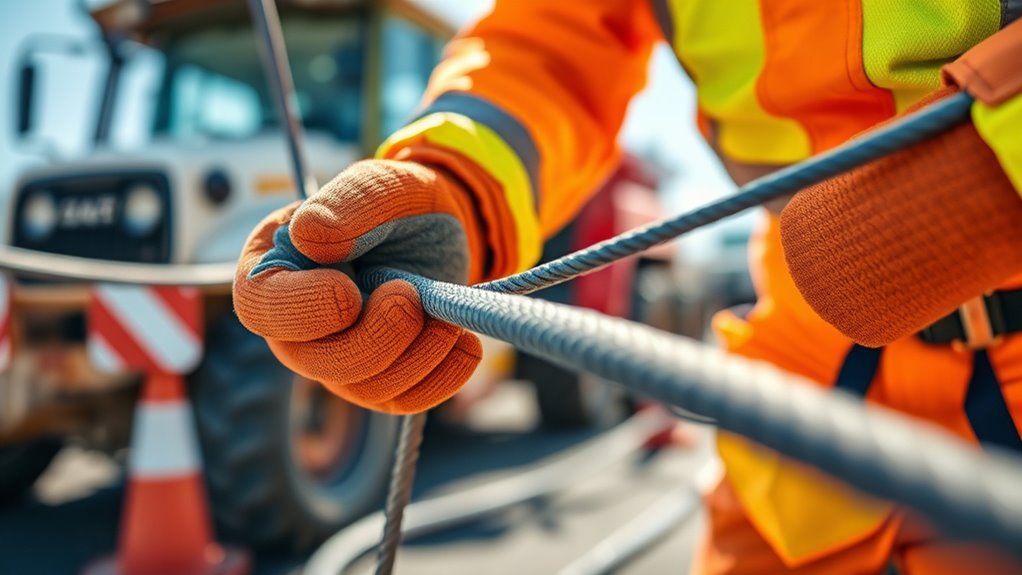
Ensuring safety during recovery operations starts with proper planning and adherence to established protocols. Always establish a clear exclusion zone, keeping all bystanders behind a safe distance—at least several times the rope length. Conduct a pre-use inspection to confirm the rope’s integrity, rated recovery points, and appropriate hardware. Use rated shackles and spread loads evenly across designated recovery points to prevent failures. Attach the rope to rated recovery points, avoiding weak anchor points like axles or bumper brackets. Start with slack and accelerate gradually, avoiding full-throttle jerks that could cause recoil injuries or equipment damage. If you notice any signs of stress, fatigue, or damage, stop and consider alternative methods. Never rush or cut corners—your safety depends on strict adherence to these practices.
Frequently Asked Questions
How Do I Determine the Correct Kinetic Rope Length for My Vehicle?
You determine the right kinetic rope length based on your vehicle’s size and recovery needs. A typical length is 6 to 9 meters (20 to 30 feet), providing enough stretch while maintaining control. If you need more stretch for difficult recoveries, go longer, but guarantee you can still manage and control the recoil. Always match the length to your specific scenario, avoiding excessive slack that could cause hazards.
What Are the Signs of Internal Fiber Damage After Use?
You’ll notice internal fiber damage if your rope shows visible signs like melted or charred fibers, or if it feels unusually stiff and less elastic than before. Sometimes, you might see small frays or internal cracks with a flashlight, indicating fatigue. After use, inspect thoroughly for cuts, abrasion, or heat damage. If the fibers feel brittle or the rope no longer stretches properly, it’s a sign you should replace it to prevent failure.
Can I Repair a Damaged Kinetic Recovery Rope Myself?
You shouldn’t repair a damaged kinetic recovery rope yourself. The internal fibers are critical for safe stretch and energy absorption, and any damage compromises its integrity. Attempting to fix it can lead to unpredictable failure during recovery, risking injury or vehicle damage. Instead, retire the rope immediately, inspect it thoroughly, and replace it with a new, properly rated one. Always follow manufacturer guidelines for replacement to guarantee safety.
What Are the Best Practices for Anchoring During Recovery?
Your safety depends on proper anchoring during recovery. First, you must secure the kinetic rope to rated recovery points—never to axles or suspension parts—that can handle the dynamic load. Always use rated shackles and verify the anchor is solid, stable, and positioned to avoid recoil hazards. Keep the line clear of obstacles, and double-check all connections. When in doubt, opt for a safer method—failure isn’t an option.
How Does Ambient Temperature Affect Rope Stretch and Safety?
Ambient temperature markedly impacts your kinetic rope’s stretch and safety. In colder conditions, the rope becomes less flexible, reducing its stretch capacity and increasing the risk of internal fiber failure under load. Conversely, hot temperatures can cause the rope to soften or weaken, risking rupture. Always inspect your rope thoroughly before use, especially in extreme temperatures, and consider adjusting your recovery methods or replacing ropes if their performance has degraded.
Conclusion
If you ignore these tips, your recovery could turn into a disaster movie, with ropes snapping like fireworks and equipment flying faster than a rocket. Don’t let a simple stretch mistake blow your operation sky-high—master proper techniques, choose the right gear, and watch for wear. Follow these safety practices, and you’ll keep your recovery safe, smooth, and disaster-free. Because in the world of kinetic ropes, a small mistake can turn into a catastrophic catastrophe!